Are economic ties with Beijing reshaping Indonesia’s South China Sea playbook?
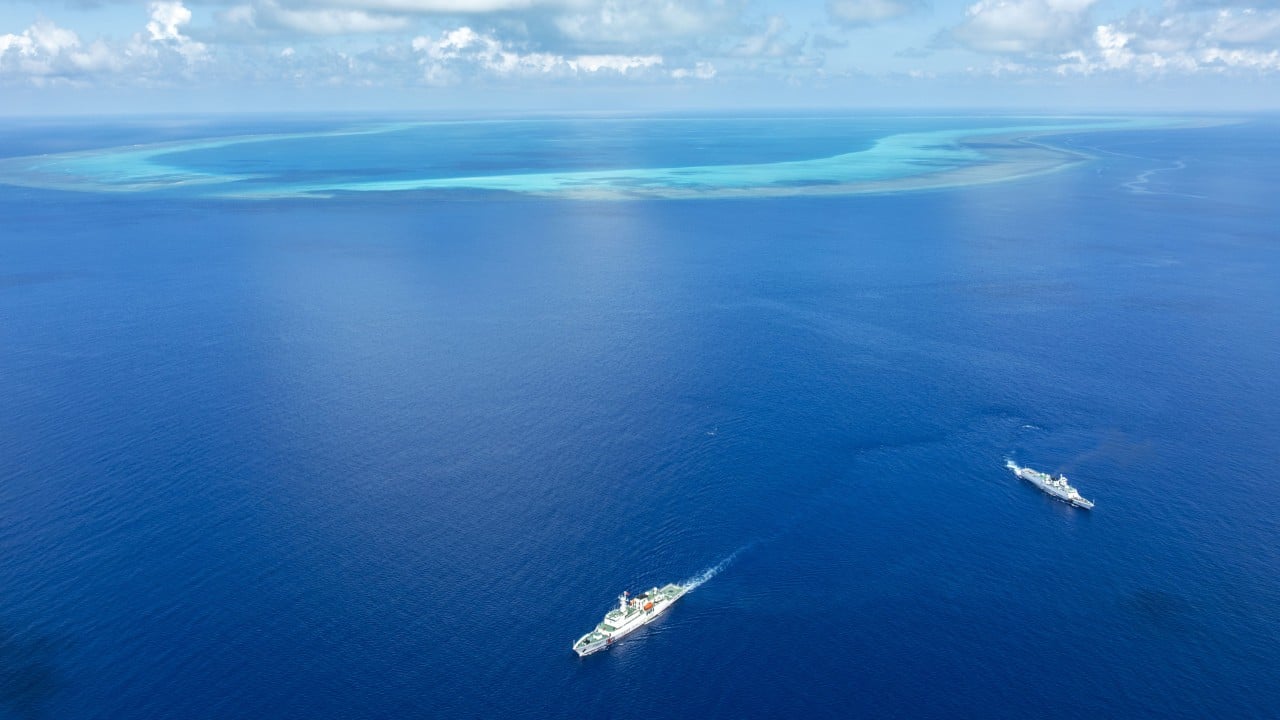
By pushing for joint maritime development in the South China Sea to boost economic ties with Beijing, Indonesian President Prabowo Subianto has renewed questions about whether Jakarta is softening its long-standing rejection of the Asian superpower’s claims in the waterway.
“We are already finding a strong future of cooperation in the South China Sea. I’m pleased that there’s been already [an] exchange of notes in the areas of joint development,” Prabowo said, thanking President Xi Jinping and the Chinese people for their “friendship and support” over the past few decades.
He met Xi in Shenzhen on Friday following the Apec summit. Xi said “under our leadership, the strategic trust between China and Indonesia has grown while mutually beneficial cooperation has yielded its fruits”.
Analysts said Prabowo’s move, similar to a 2024 agreement that drew criticism, could complicate Indonesia’s position on the territorial row.
While Jakarta is not a party to the multilateral South China Sea dispute, it rejects Beijing’s nine-dash line extending into waters within its exclusive economic zone (EEZ) around the Natuna Islands.
Beijing claims most of the South China Sea, rejecting rival claims from other countries and a 2016 international ruling that its assertion over the waterway has no legal basis.
09:58
Will Batanes become the next South China Sea flashpoint?
Details on the proposed cooperation remained scarce, but Aristyo Rizka Darmawan, an assistant professor of international law at the University of Indonesia, said it was a “sequel” to the 2024 statement, in which the two leaders agreed to “joint development in areas of overlapping claims”.
“Prabowo wanted to show [China] his seriousness in exploring cooperation in the South China Sea, regardless of criticism of the previous deal,” Aristyo said.
Critics in Indonesia previously said the overlap wording could be interpreted as legitimising China’s nine-dash line, prompting the foreign ministry to reject such a label and insist it would not affect the nation’s sovereignty, sovereign rights or jurisdiction in the North Natuna Sea.
Beijing described the pact as a political understanding to pursue joint development while setting aside disputes. Prabowo said Indonesia would continue to safeguard its sovereignty and favour cooperation over confrontation.
With the controversial term still unamended in “clear contradiction” to the ministry’s statement, any cooperation in the disputed areas could be seen as backing China’s position, according to Aristyo.
Indonesia’s perceived policy inconsistency could also impact years-long efforts to finalise a Code of Conduct (COC) in the South China Sea, he said.
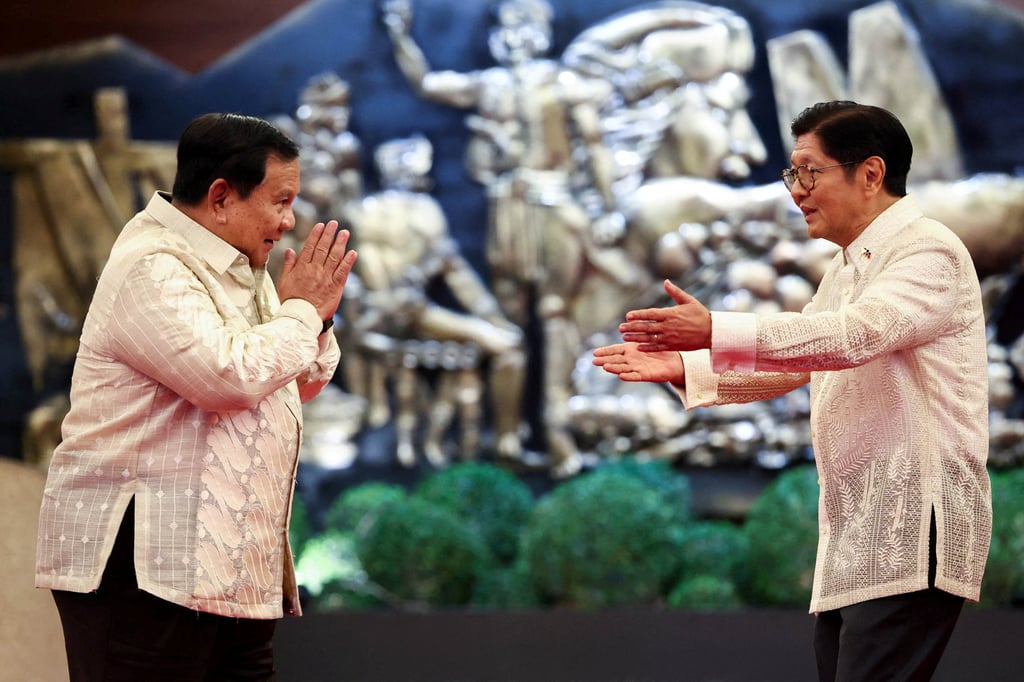
Asean chair Philippines this week told the bloc’s summit that “85-90 per cent” of the COC had been completed.
“Genuine progress on the South China Sea requires sustained political goodwill,” Prabowo said at the conference.
“China’s continued commitment to this process will strengthen mutual trust and contribute to a more promising future for the region.”
Aristyo said “it would be anomalous” for Indonesia to agree to a joint cooperation based on China’s nine-dash line while at the same time officially rejecting it.
Yohanes Sulaiman, an associate professor of international relations at Jenderal Achmad Yani University in Cimahi, said Prabowo’s decision showed his “lack of legal sensibilities” and failure to learn lessons from the 2024 episode.
“The president seems to have always disregarded the importance of precedent in any international agreement.”
M. Habib Pashya, a researcher specialising in Indonesia-China ties, said Jakarta “must set up boundaries” in the prelude to any negotiated cooperation with Beijing in the waterway and “not bow to every Chinese demand”.
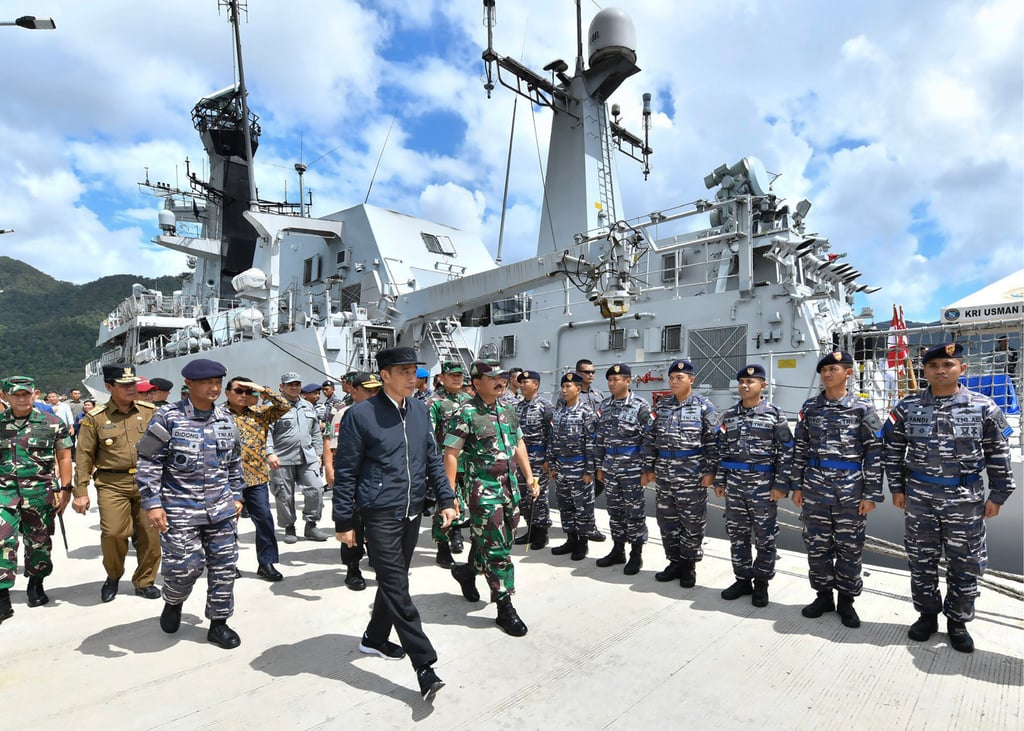
Habib argued that the nationalist president was “softer” on China compared to his predecessor, Joko Widodo, popularly known as Jokowi.
By arriving in the area aboard a warship, Jokowi took a hard line on Chinese fishing fleets and coastguard vessels that repeatedly entered the waters around the Natunas inside Indonesia’s EEZ, he said. The foreign ministry also registered its displeasure with its Chinese counterpart.
In October 2024, days into Prabowo’s presidency, a China coastguard vessel repeatedly disrupted an Indonesian state energy survey in the North Natuna Sea before being driven away by Jakarta’s maritime authority.
Habib suggested setting up a joint cooperative network to share information on vessel movements in the area to de-escalate tensions.
“This way, Indonesia can rope in Chinese resources to guard against illegal fishing there.”
He noted that Indonesia “needed China’s money and technology”, but it could not afford to “pawn” its sovereignty to Beijing, which was “extremely firm” on its nine-dash line position.
“There’s no denying that China is a powerful economic magnet for Indonesia,” he said.
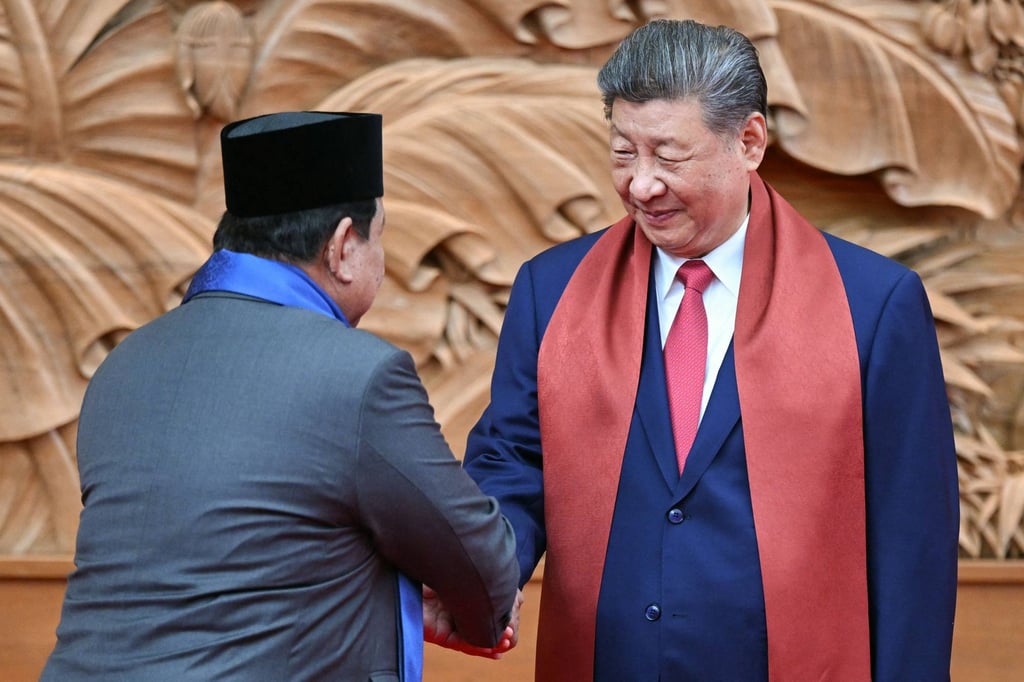
Indonesia said it signed four strategic partnerships with China worth US$71.8 billion on the sidelines of the Apec summit.
Yohanes said Prabowo must address his administration’s policy uncertainty first before actively courting Chinese investment, citing the China Chamber of Commerce in Indonesia, which earlier in the year called out the country’s nickel downstream rules and extortion practices.
“There’s more to investing than just to be seen on the friendly side with Xi Jinping at summits,” he said.
Prabowo sowed more confusion earlier this month by calling for a 70 per cent share in mining profits for the government. Officials later clarified that the figure referred to revenue from mining licence operations, not the firms’ earnings.
Yohanes said the regulatory ambiguity hurt Chinese investors’ appetite.
“You see a lot of dangling of potential cooperation, but once the reality of local politics and financing hurdles bites, things tend to stall progress.”
KioskNews shows a cleaned-up reading view extracted from the publisher’s page — the original always lives on their site, not ours.