Health minister JP Nadda reviews preparedness as Delhi sees surge in H1N1 cases
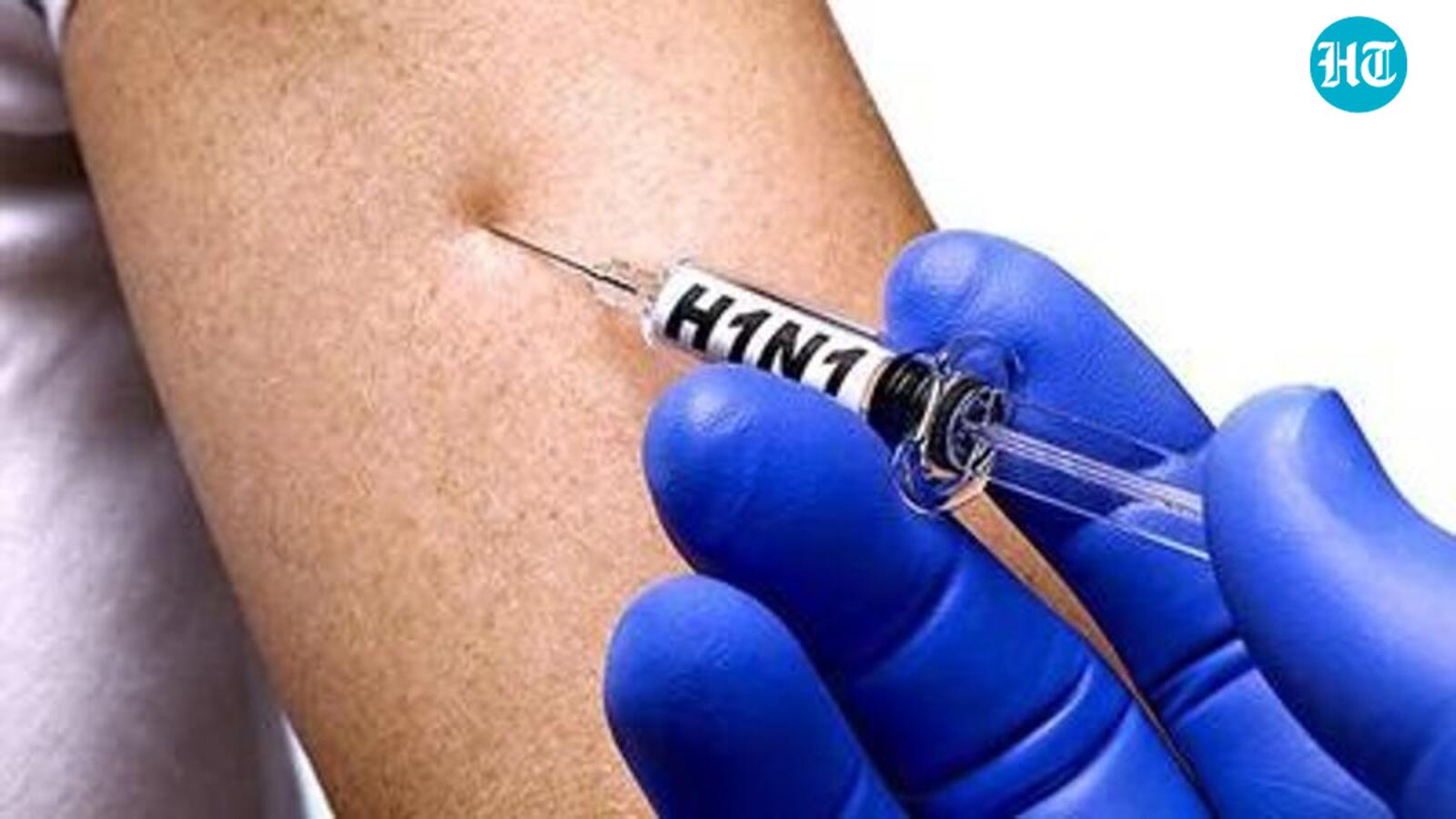
Cases of H1N1 influenza are rising in Delhi, with the national Capital recording nearly 1,700 cases this season, prompting Union health minister JP Nadda to review the situation and preparedness measures on Friday.
Nadda reviewed the national influenza surveillance and epidemiological situation, trends in influenza-like illness (ILI) and severe acute respiratory infections (SARI), testing and laboratory surveillance, and the preparedness of healthcare facilities, with a particular focus on Delhi, the health ministry said in a statement.
Delhi health minister Pankaj Kumar Singh also attended the meeting.
“The health minister emphasised the need for close monitoring of influenza trends and proactive preparedness to ensure early detection and timely clinical management of cases,” read the statement.
Also Read: Delhi Health dept report finds ‘no overpricing’ in procurement
Doctors in Delhi said hospitals have seen a spurt in H1N1 cases over the past couple of weeks. “The situation is such right now that if we are testing a symptomatic patient, we find the virus to be H1N1. It is spreading fast but in healthy people symptoms are mild— sore throat, chest pain, runny nose— but we have also got patients who needed hospital admission with some even on ventilator. Those with serious symptoms are usually older people and those with some underlying medical condition,” GC Khilnani, chairman at Delhi’s PSRI Institute of pulmonary, critical care, and sleep medicine, said.
The preparedness of healthcare facilities in Delhi was also reviewed, including the availability of hospital beds, critical care facilities, and other essential supplies required to manage patients with seasonal influenza and severe respiratory illness.
The health minister stressed the importance of public awareness and adherence to preventive health practices, including respiratory and hand hygiene.
“People experiencing persistent or severe respiratory symptoms, breathing difficulty or other warning signs should seek medical advice promptly,” said Nadda.
The health ministry said the situation is being closely and continuously monitored and that it is coordinating with states and Union territories, hospitals, laboratories and other stakeholders to strengthen surveillance and preparedness.
“The coordination is aimed at ensuring effective surveillance, early detection, timely clinical management and proactive preparedness for seasonal influenza, including H1N1,” read the statement.
Also read: Mumbai monsoon maladies surge as malaria, H1N1 cases climb in August
H1N1 flu is a type of influenza A virus. During the 2009-10 flu season, a new H1N1 virus began causing illness in humans. The World Health Organization (WHO) declared the H1N1 flu to be a pandemic in 2009. In August 2010, WHO declared the pandemic over. But the H1N1 flu strain from the pandemic became one of the strains that cause seasonal flu. Most people with the flu get better on their own, but high-risk persons—elderly people and those with comorbidities—tend to develop severe disease.
Earlier, on July 10, the Union health secretary, Punya Salila Srivastava, had written to all states and UTs advising them to strengthen preparedness and surveillance for acute respiratory illness and ensure healthcare facilities remain adequately prepared.
The health ministry has advised continued adherence to respiratory hygiene and hand hygiene measures as part of efforts to limit the spread of respiratory infections.
KioskNews shows a cleaned-up reading view extracted from the publisher’s page — the original always lives on their site, not ours.