4H framework: DepEd issues proactive Super El Niño protocols
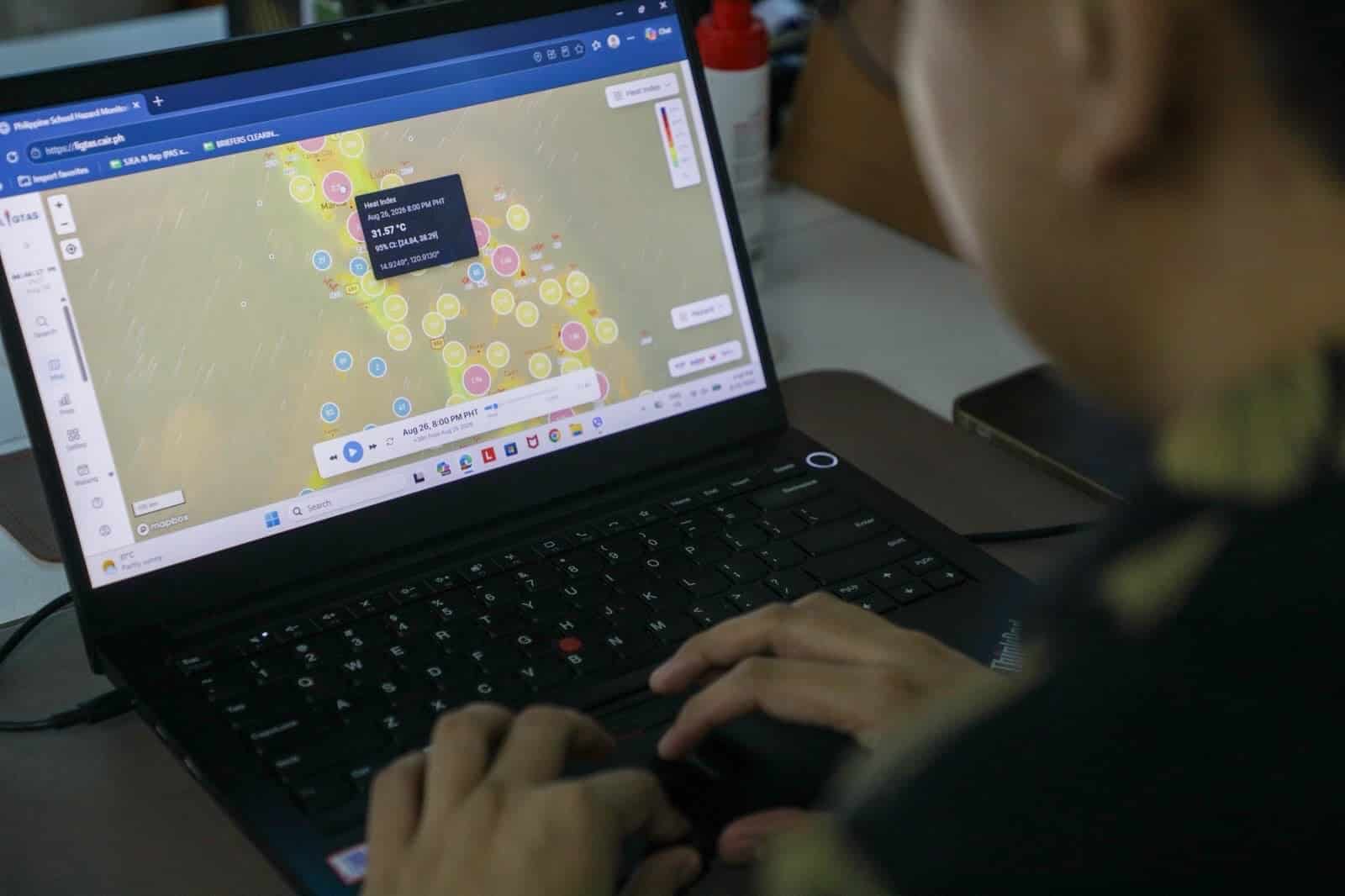
MANILA, Philippines — Education Secretary Sonny Angara has issued comprehensive proactive guidelines to help schools prepare for a strong to very strong El Niño, which the state weather service predicts will persist through mid-2027.
“We cannot afford to wait until extreme heat hits before we act. Our plan this year is proactive, deliberate, and organized,” Angara said in a statement issued on Monday.
“We are making sure our schools are fully prepared to manage heat stress, water shortages, and health risks, protecting the safety and well-being of our learners and personnel without unnecessarily sacrificing precious classroom time,” he added.
Article continues after this advertisement
Dry spells may peak before year-end, according to the Philippine Atmospheric, Geophysical and Astronomical Services Administration (Pagasa).
FEATURED STORIES
NEWSINFO
NEWSINFO
NEWSINFO
READ: Super El Niño demands urgent, science-based governance
Under a memorandum Angara issued, extreme heat will no longer automatically trigger blanket, nationwide class suspensions. Instead, school heads will use a practical, localized decision-making tool, which relies on daily indoor classroom temperature and humidity readings taken at 8 a.m., noon, and 2 p.m.
The guidelines will implement a four-level, or 4H, framework:
Hayo (Filipino for “go ahead”)
Article continues after this advertisement
If the heat index remains below 27°C, schools will maintain regular face-to-face classes with scheduled hydration breaks.
Hinay (Filipino for “be careful”)
Article continues after this advertisement
If the heat index falls between 27°C and 32°C, school heads may shorten in-person hours or transition to hybrid and flexible home-based schedules.
Hinga (Filipino for “rest”)
If the heat index reaches this extreme caution stage between 33°C and 41°C, physical classes are suspended, and learners shift to lighter home-based tasks and health check-ins.
Hinto (Filipino for “stop”)
If the heat index reaches this danger level of 42°C and above, all physical and home-based academic activities are completely suspended for safety.
“Every community experiences weather conditions differently. Through our 4H framework and daily, classroom-level monitoring, we are empowering our school heads with the flexibility to adjust hours or shift to modular learning only when local conditions genuinely require it,” Angara explained.
Comfort on hot days
The DepEd directive also outlines crucial health and facility safeguards across all basic education campuses. To promote comfort during hot days, teachers and students may wear light, breathable alternative uniforms or previously issued DepEd collared shirts, provided they maintain appropriate standards of decency.
Schools are also instructed to assess water supply reliability, set up safe drinking stations, and utilize emergency procurement provisions to secure water filtration kits where necessary.
To safeguard vulnerable students, schools should have alternative supply arrangements that will prevent disruptions in the School-Based Feeding Program.
READ: El Niño could be ‘literally off the monitoring charts’ – UN
School premises must undergo electrical inspections and dry vegetation clearing under the Fire Code, alongside exploring long-term solar energy solutions.
To ensure immediate action without administrative bottlenecks, the policy authorizes flexible funding support.
Schools are permitted to tap into Maintenance and Other Operating Expenses (MOOE), Special Education Funds (SEF) through local school Boards, disaster Preparedness and Response Program (DPRP) allocations, and emergency procurement rules under the New Government Procurement Act.
Your subscription could not be saved. Please try again.
Your subscription has been successful.
The policy takes effect immediately and will remain active until Pagasa officially declares the end of El Niño. /atm
KioskNews shows a cleaned-up reading view extracted from the publisher’s page — the original always lives on their site, not ours.