El Niño alert: How a strong event could threaten Metro Manila’s water supply
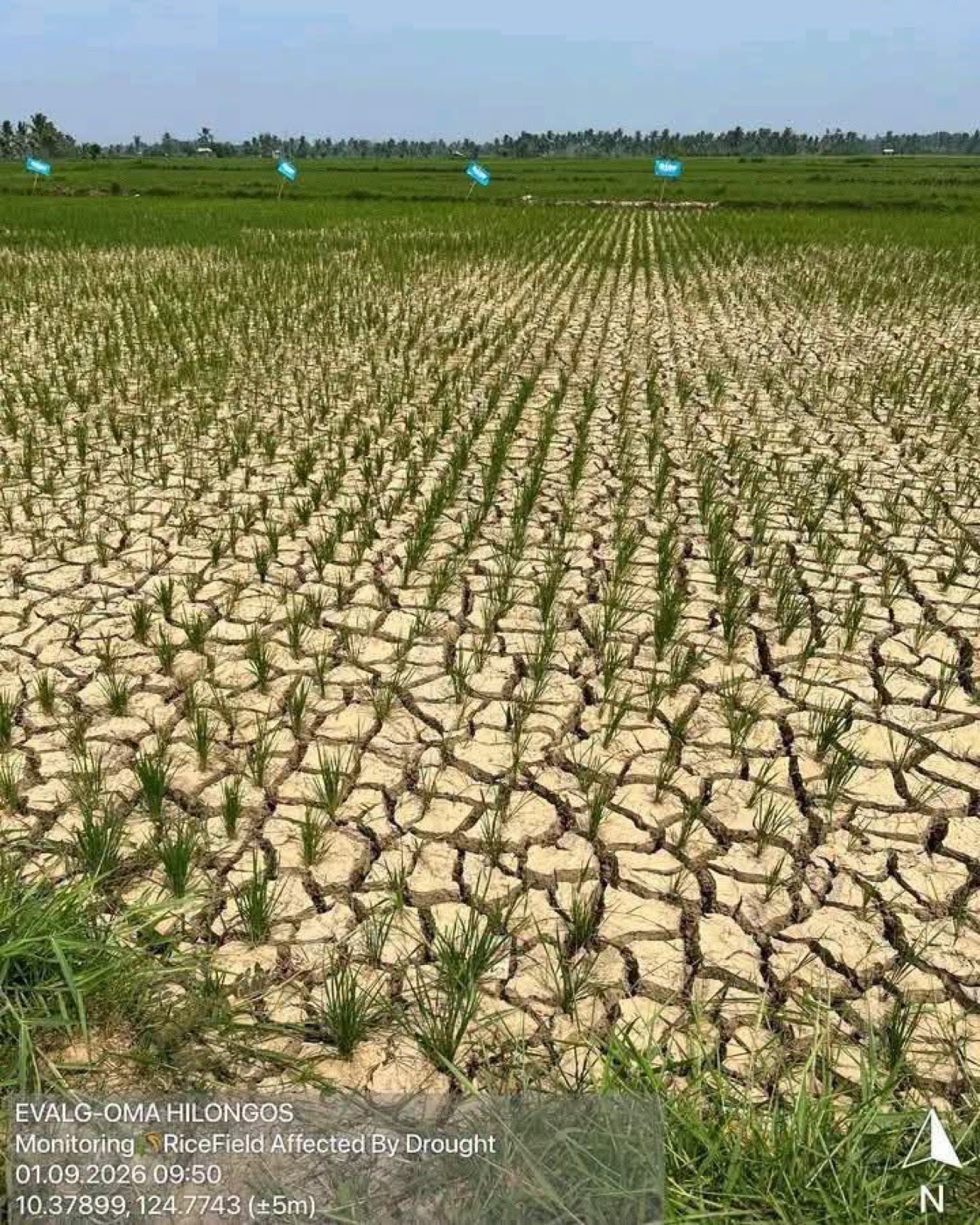

MANILA, Philippines — Metro Manila’s water supply could come under increasing pressure as a strong El Niño brings prolonged dry conditions and reduces water inflows into reservoirs serving the capital region.
The Philippine Atmospheric, Geophysical and Astronomical Services Administration (Pagasa) describes El Niño as a climate phenomenon characterized by unusually warm sea surface temperatures in the central and eastern tropical Pacific Ocean.
READ: Teodoro seeks ‘expanded’ cooperation as Asean braces for super El Niño
Article continues after this advertisement
In the Philippines, it is commonly associated with below-normal rainfall, prolonged dry spells and increased temperatures.
FEATURED STORIES
NEWSINFO
NEWSINFO
NEWSINFO
Pagasa has warned that a strong to very strong El Niño could persist through the first quarter of 2027, with its effects potentially extending into the first half of the year.
This could affect water availability for households, agriculture and other sectors that depend on rivers and reservoirs.
Where does Metro Manila’s water come from?
Metro Manila’s water supply comes primarily from the Umiray-Angat-Ipo River System, which accounts for approximately 91% of the combined water requirements of the East and West Concession Areas.
At the center of this system is Angat Dam in Bulacan, a major source of raw water for household consumption. It also supplies water for irrigation and supports power generation.
Article continues after this advertisement
READ: Is El Niño making storms and flash floods worse?
Water from Angat passes through Ipo Dam before reaching the Novaliches Portal, where it is divided between Manila Water and Maynilad. The two concessionaires treat the raw water at their respective facilities before distributing it to consumers.
Article continues after this advertisement
Metro Manila also gets part of its water supply from Laguna Lake, which serves as another raw water source for the two concessionaires.
Why do dam levels matter?
Reservoir levels help authorities assess available water reserves and determine whether adjustments to water releases and allocations are necessary.
The National Water Resources Board (NWRB) reduced Metro Manila’s raw water allocation from Angat Dam to 44 cubic meters per second (CMS) in October, down from the usual 50 to 53 CMS, as authorities manage available water resources.
Although water supply remained sufficient when the adjustment was implemented, the reduction underscores the need to manage available reserves amid the possibility of a prolonged dry season.
As of 8 a.m. on Nov. 3, Angat Dam’s water level stood at 208.70 meters, 1.30 meters below its normal high water level of 210 meters, according to Pagasa.
The reading was slightly higher than the 208.64 meters recorded the previous day. However, the slight increase does not necessarily mean that water reserves are recovering sufficiently to meet future demand.
Authorities also consider rainfall, water inflows, releases and changes in reservoir levels over time when assessing available supply.
What happens when water availability declines?
The United Nations Philippines warned that El Niño could increase heat stress, malnutrition and climate-sensitive diseases, lead to water scarcity, and place additional pressure on health systems and essential services.
In a statement on Oct. 22, the UN said limited water availability could affect hygiene practices, healthcare delivery, maternal health services and nutrition outcomes, particularly among vulnerable populations.
The UN also warned that climate shocks could threaten crops, livestock and fisheries, potentially reducing agricultural output, driving up food prices and lowering household incomes.
Meanwhile, environmental group EcoWaste Coalition stressed the need to prioritize communities with limited access to reliable water systems, particularly those whose residents still travel long distances to fetch water.
EcoWaste Coalition program manager and environmentalist Jove Benosa said authorities should identify existing water sources, estimate available supply and match it with the demand of households, industries and the agricultural sector.
He also urged local governments to establish water-rationing protocols before shortages become critical, including clear guidelines on delivery schedules and the volume of water to be distributed.
“Lalo na iyong demand sa mga sektor na nangangailangan primarily ng tubig. Ito iyong mga ordinary households, mga nasa industriya, pati na rin sa agrikultura. Kasi for sure, ito iyong mga sektor na maaapektuhan,” Benosa said.
(This should especially take into account the demand from sectors that primarily need water, such as ordinary households, industries and agriculture, because these are the sectors that will surely be affected.)
For Metro Manila, however, a reduction in raw water availability does not automatically mean households will experience interruptions in their water service.
Maynilad explained that the effects of El Niño on water services depend on several factors, including raw water availability and quality, treatment capacity, and distribution conditions.
Water must still undergo treatment and pass through distribution networks before reaching consumers, making dam levels only one part of the overall water supply system.
Preparing for the dry months
Alongside adjustments in water allocations and the identification of alternative sources, water authorities and concessionaires have urged consumers to use water responsibly as the dry months approach.
Maynilad advised its customers to adopt simple conservation practices, including properly turning off faucets when not in use, reusing water for non-potable activities such as cleaning and toilet flushing, and immediately repairing leaking indoor pipes.
Consumers were also encouraged to report visible leaks along streets to their water concessionaire for prompt repairs.
Maynilad said it continues to coordinate with the Metropolitan Waterworks and Sewerage System (MWSS), NWRB and PAGASA to monitor raw water conditions and prepare for the possible effects of prolonged dry weather.
Your subscription could not be saved. Please try again.
Your subscription has been successful.
The concessionaire also said it would issue separate advisories through its official channels if changes to water services become necessary because of dam conditions. Katherine Cielo Guimera/INQUIRER.net trainee /jpv
KioskNews shows a cleaned-up reading view extracted from the publisher’s page — the original always lives on their site, not ours.