With Laya and Sol, Articul8 puts language scholars at heart of heritage AI
When Sanskrit scholars deliberately gave artificial intelligence (AI) company Articul8’s Laya AI model an incorrect interpretation of a verse, it refused to agree. Its core knowledge base, Pāṇini’s ancient code of 3,996 interlocking grammatical rules, did not support their point. On September 15, Union Finance Minister Nirmala Sitharaman unveiled this AI model at the 118-year-old Madras Sanskrit College. It remains in an extended test phase, with broader public availability planned after further scholarly testing.
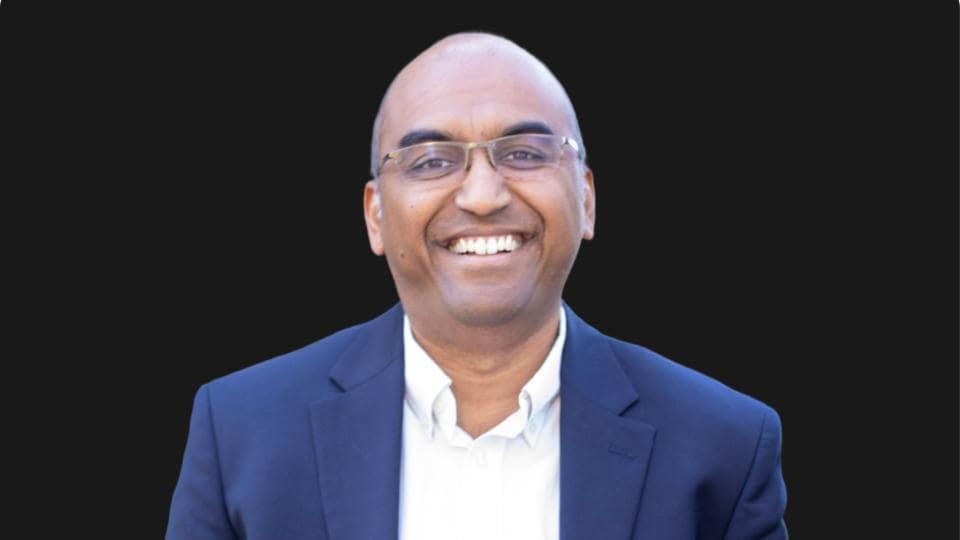
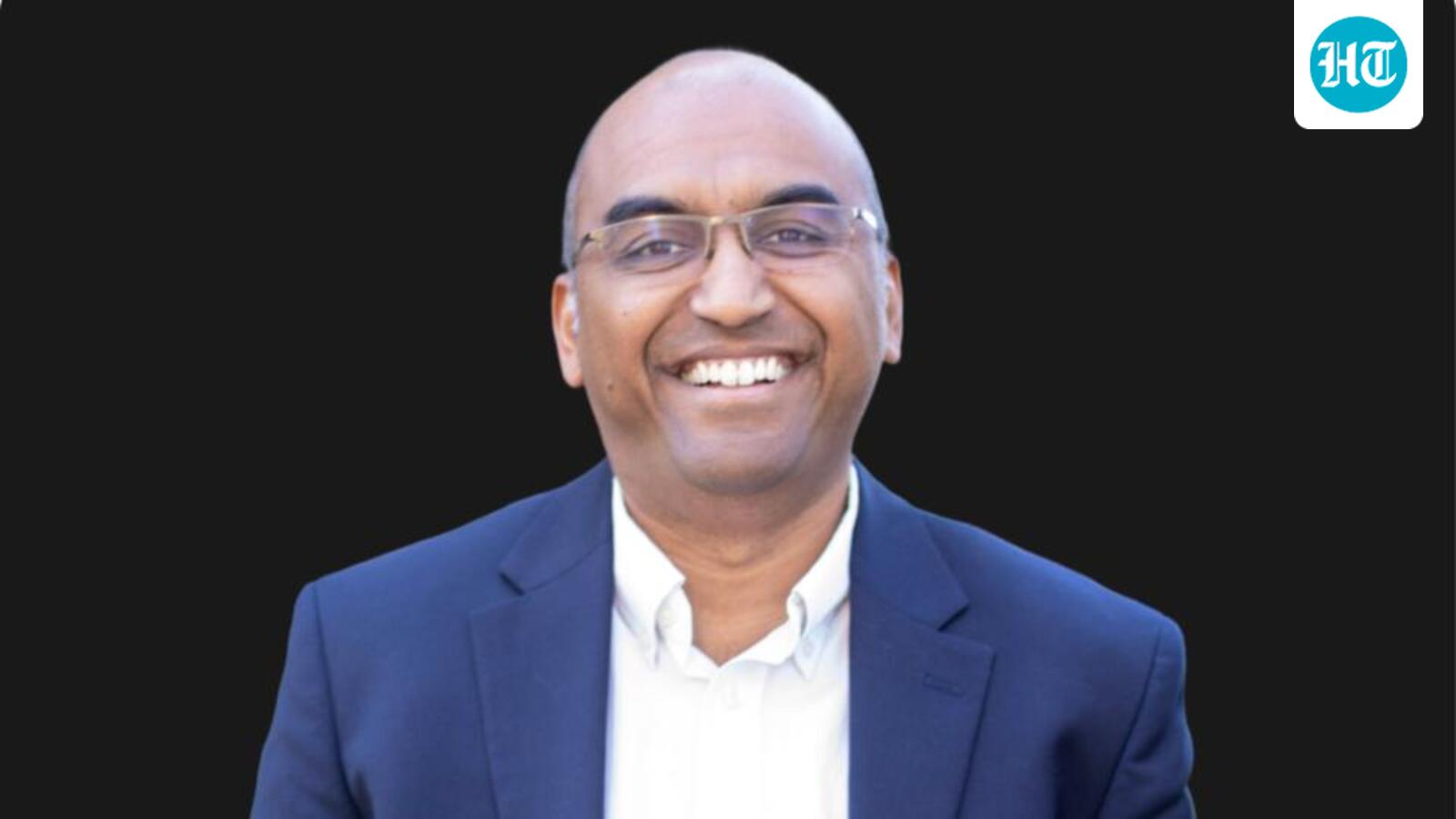
Laya, a 32-billion-parameter model, is built to do something most large language models are actively trained away from: refuse to answer and stand its ground. For Arun Subramaniyan, CEO of Articul8, that “backbone” illustrates an ambition behind a heritage AI initiative now expanding from Sanskrit to Tamil, with more Indian languages to follow. “It actually answers based on what is in the knowledge system,” he tells HT.
Subramaniyan says ChatGPT, Claude and other general-purpose models eventually accepted and agreed with the incorrect interpretation when it was served up.
The Sanskrit Heritage Model and Platform upholds linguistic purity, tracing every output directly to its source text. By enforcing grammatical laws codified in Panini’s Ashtadhyayi over two millennia ago, it is designed to reject any flawed generations.
“How do I contribute meaningfully to the economy of India? Any general model will say work hard, give as much as you take, all the general stuff. This model starts off with Yogakshema, which is a very profound Sanskrit concept about the well-being, security, and prosperity of society,” Subramaniyan explains with an example. “A concept that is so uniquely Indian from ancient texts, and it connects the modern to the ancient.”
The aim is to build models that understand the rules, knowledge traditions and cultural context of a language. The company is working with the Madras Sanskrit College, Banaras Hindu University (BHU) and Pune Institute of Linguistic Sciences.
There is also a Tamil model called Sol, which means “word”, that takes the same approach into another linguistic tradition.
The Heritage Model approach is not flawless, Subramaniyan acknowledges, but insists that a resistance to being persuaded into an incorrect answer gave them confidence. Underpinning Laya is a five-part architecture. At the base is a custom tokeniser for Indic languages, atop which is a model that breaks down queries into individual words to find meaning, a context embedding model because the same word can have different meanings, and finally a rule verification engine to ensure the right set of rules are being used.
“To break down Indic text requires five to 10 times more tokens. We built our own tokeniser for any Indic language that actually compresses the tokens and has 17 times higher compression than any other tokeniser that’s out there,” Subramaniyan explains.
The fifth part of this modular architecture is the actual Laya generation model. Subramaniyan explains that enterprises and users can use any other model, including Gemma or Qwen, instead of Laya. “The advantage of using our model is that it is trained across the full stack, is a lot more efficient, and we guarantee accuracy,” he says.
For Sol, Articul8 adapted the framework using Tamil grammatical sources, including Tolkāppiyam. Subramaniyan says the underlying architecture transferred successfully, supporting plans to extend it to Gujarati, Kannada and Telugu.
Laya and Sol open opportunities to explore older texts for insights into astronomy, metallurgy and sustainability. Potential commercial discoveries, including materials or medicines, could help a broader cultural effort.
The company is finalising a partnership with a central government institution, which would validate and jointly release Sol. “We want to respect the custodians of the language,” Subramaniyan says. In his view, this complements broader sovereign AI pursuits, which he believes are a necessary defensive measure for nations in the AI era.
KioskNews shows a cleaned-up reading view extracted from the publisher’s page — the original always lives on their site, not ours.