From Reading to Russia: How a Romanian’s love affair across Europe ended in a Russian jail for spying
Under a grey spring sky, a young man wearing a blue knitted hat and carrying an Adidas backpack walks along a park path before two broad security operatives spring from a van, forcing him onto the pavement.
"What is your name?" a voice asks in English as a gloved hand tilts his face towards the camera.
"David Adrian Kercso," he answers promptly, confirming his background when asked where he is from: "Romania. Romania."
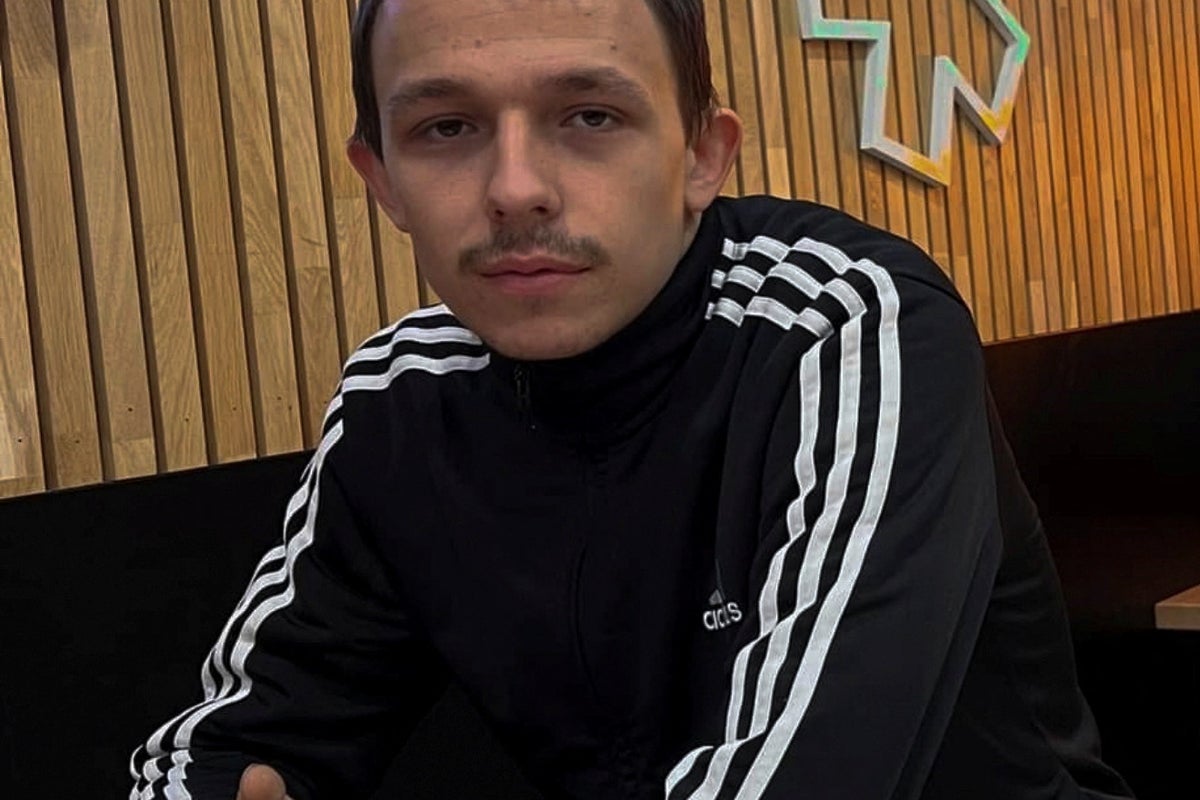
Published by state media and released by Russia's FSB security service, the footage claims to show the arrest of Kercso, a 23-year-old Romanian citizen who grew up in England. He was sentenced earlier this year to 15 years in prison for spying for Ukraine.
Although not all evidence in Kercso’s case can be verified, an examination of the clip and court records reveals the video is not what it purports to be. At the time the footage was produced, Kercso had already been in Russian custody for months.
While filmed in a park in the southern Russian city of Sochi, news of Kercso's detention first emerged elsewhere.
Pro-Russian separatists in Abkhazia, a breakaway territory in neighbouring Georgia, released separate footage of him in their custody a day before he made his initial appearance in a Russian court.
The FSB did not respond to requests for comment for this story, including why it would release a video depicting the purported arrest of a suspect who was already in custody.
Requests for comment were also sent to the Abkhazian separatists' SGB security agency, the Russian embassy in London, the Romanian and Ukrainian foreign ministries. None replied.
To Kercso's family, who say he was lured to the Black Sea coast to pursue a romance with a woman he had met online, the FSB video of a staged arrest is just another bizarre turn in a story that alarmed them from the outset. He hopes to lodge an appeal against his conviction.
"I told him to not go there because it's very dangerous, because it's a war," his mother Julia Kercso told Reuters. "And he never listened to me yet."
Mother warned him not to go
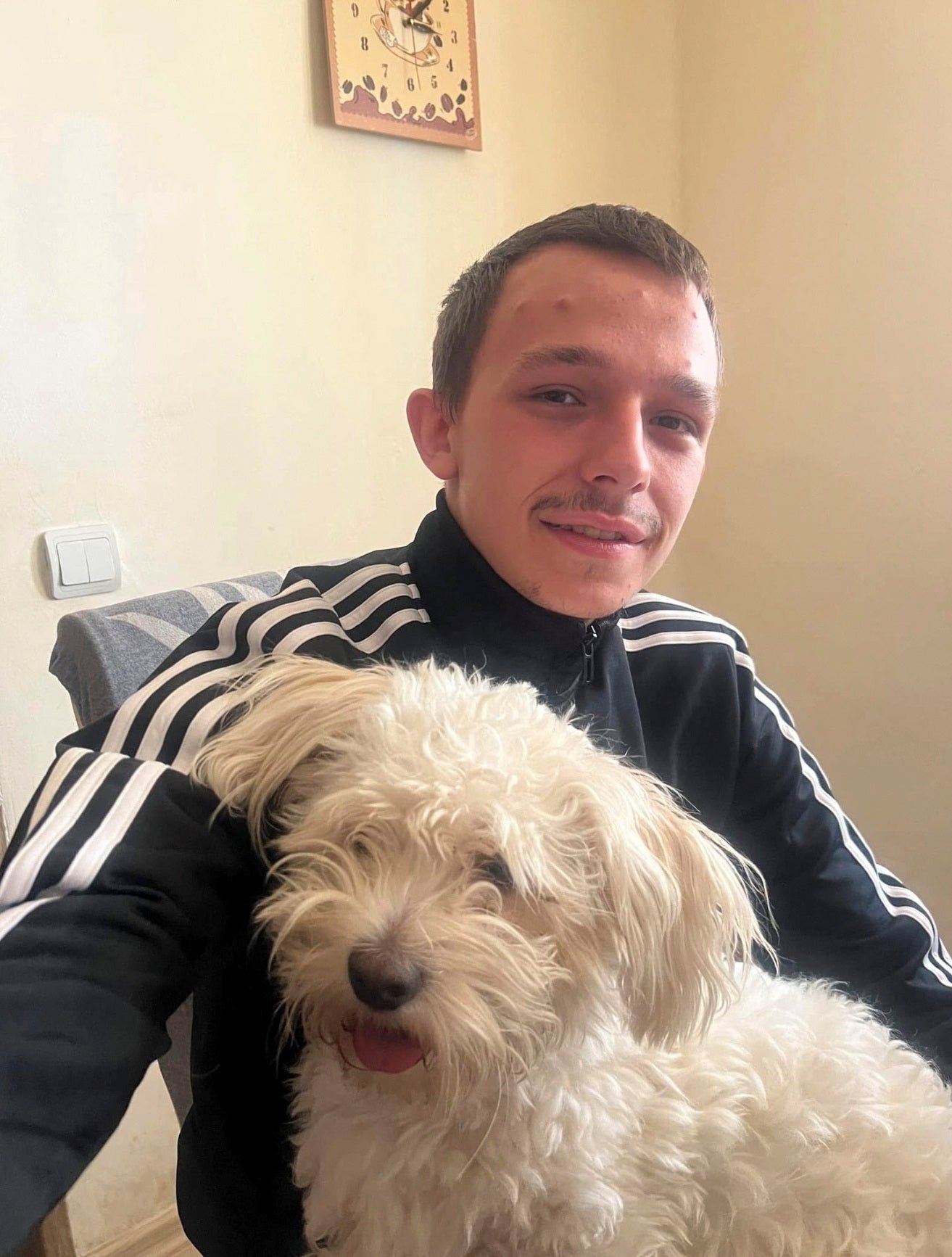
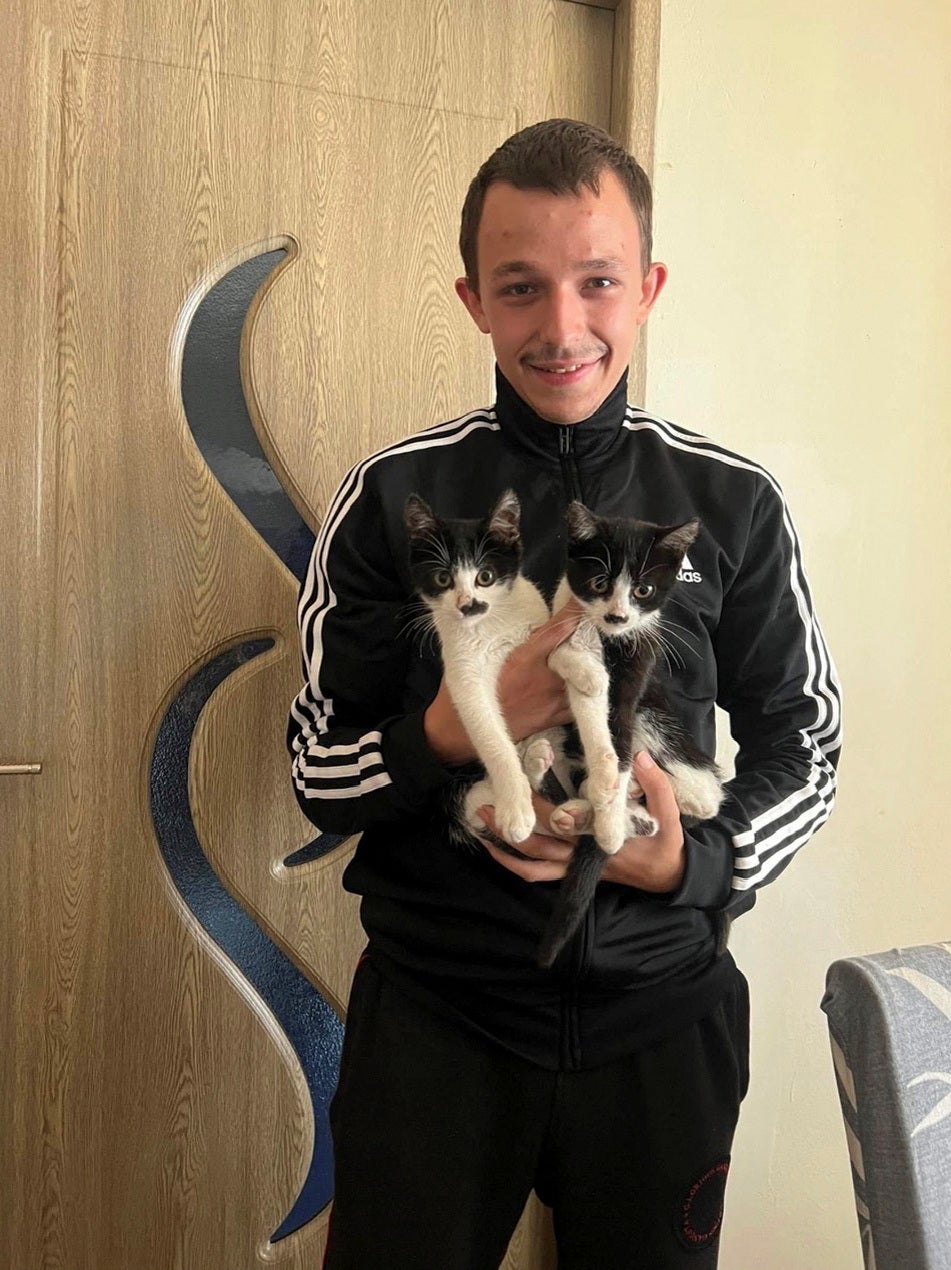
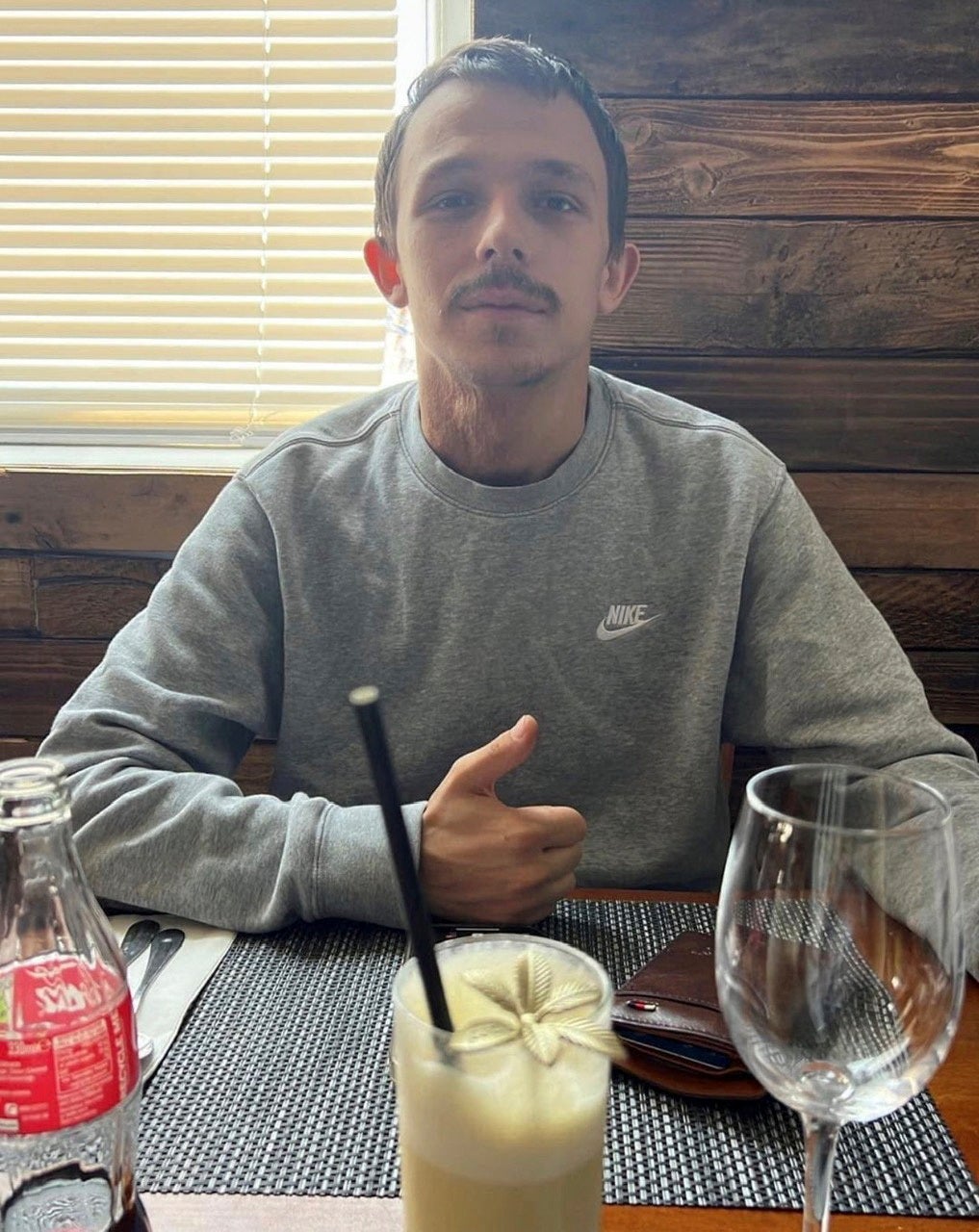
In late 2023, Kercso was living in the English city of Reading, west of London, working for a company that recycles electronics, when he first connected online with a woman called Valeria.
She was from Abkhazia, a picturesque sliver of Georgia's mountainous Black Sea coast that has been in the hands of separatists since the early 1990s.
An online romance blossomed, and his family says he travelled via Turkey in August 2024 to meet her.
Reuters obtained contact information for Valeria from the family but did not receive a reply to requests sent to her for comment.
According to Kercso's accounts to his family, the couple met up in Sochi, and after a few days crossed the border into Abkhazia, where Kercso stayed through the autumn. But his mother said the relationship deteriorated as he began to run short of money, and he told his family he would return home.
His trip back was planned for 28 November, 2024, but he never arrived. That day, he stopped answering phone calls and messages. In subsequent letters from prison, Kercso said that was the day he was arrested in Abkhazia.
The first announcement of Kercso's arrest came two weeks later from the Abkhazian separatist authorities, who released a video on 13 December depicting their own SGB security service leading the young man from a car into a building.
He was shown confessing that he had been in contact with Ukrainian intelligence and had been told to film Abkhazian military sites with a drone.
In his letters, Kercso says that the initial confession videotaped in Abkhazia had consisted of a text he had been ordered to memorise by his captors. The separatists told him that if he recited it on camera he would be sent home. But instead, he wrote, he was brought to the border and transferred into the custody of the Russian FSB.
The day after the Abkhazians released their video, Kercso was indeed in Russian custody, appearing before a judge at Sochi's Khostinsky District Court on 14 December, according to court records available online.
It was the first of 10 court appearances that would be registered over the next four months, at which his detention in Russia would be extended roughly every two weeks.
Taken from jail to film ‘arrest’
In his letters, Kercso says that the staged Russian video of his "arrest" was filmed in mid-April in Sochi, after he had already been captured in Abkhazia, transferred to Russia and held there for four months. He was awakened in jail around dawn by FSB officers who took him to a nearby location to film it.
Reuters analysis of the video is consistent with this account. Though the exact date cannot be established, ample green foliage is clearly visible, showing it was filmed after the start of spring, and could not have been filmed before he began the four months of detention documented in his 10 Sochi court appearances since December.
The location - a strip of parkland along Sochi's Matsesta River - can be established from visible features. These include the pathway layout, a bridge pillar, lamp posts, trees, a grassy strip and a wall, all of which match archive and satellite imagery of the area.
Evgeny Smirnov, a Russian lawyer familiar with the case, said it was common for the FSB to compel suspects to film dramatic arrest scenes long after they are detained.
"We have seen this in dozens of cases where individuals detained months earlier are taken to a city street, a forest, or a train station so that a staged arrest video can be filmed," he said.
Kercso says in his letters that in the months following his transfer to Russia he was beaten, held in isolation and tortured. Reuters could not independently verify those allegations.
When he was sentenced, the FSB said he had transmitted the location of Russian air-defence systems in Sochi to a Ukrainian intelligence agency in the summer of 2024. Video released by the agency showed him confessing to that charge.
Kercso says that confession was also coerced.
"None of that happened, they stole my life for no reason and fabricated everything," he wrote. He has learned Russian in prison, misses his family deeply and dreams of returning home.
"Now I know that coming here was a huge mistake," he said. "I was blinded by love and didn't see the warning signs."
KioskNews shows a cleaned-up reading view extracted from the publisher’s page — the original always lives on their site, not ours.