‘MaiKea’: To encourage the use of Hokkien in Penang, an artist invites the public to write on walls at an exhibition
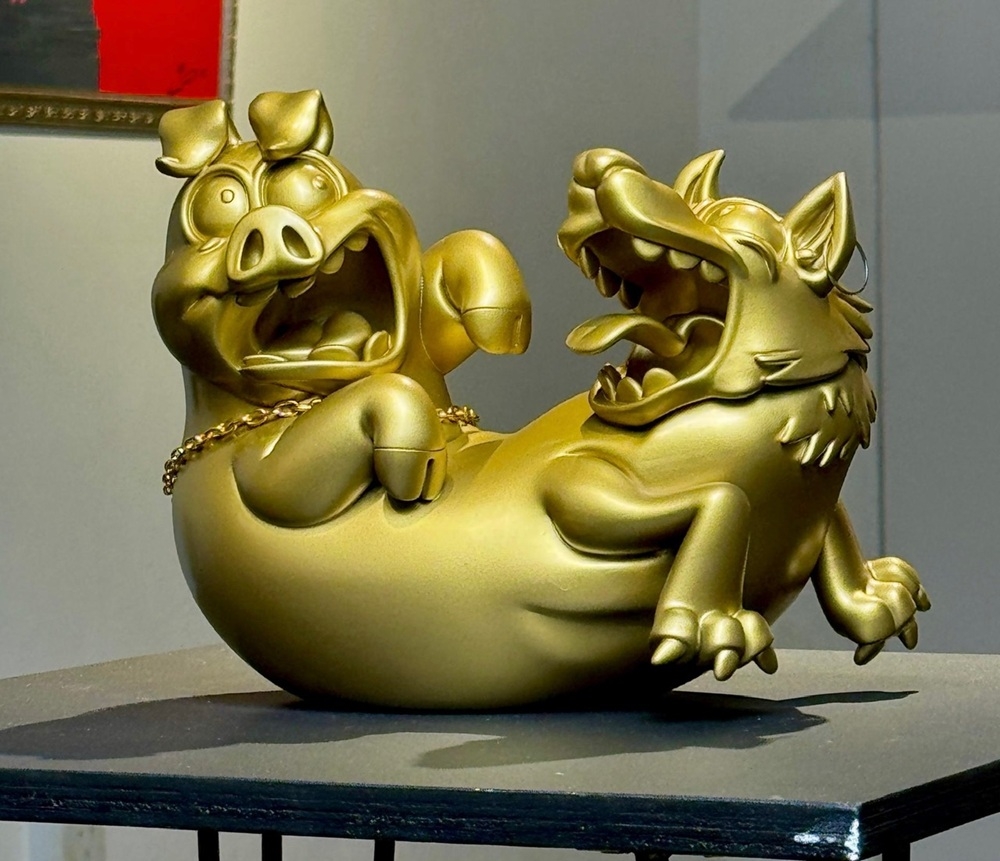

The ‘Tukao’ sculpture in the ‘MaiKea’ exhibition. — Picture courtesy of Sumidik
By Opalyn Mok
First Published: Saturday, 17 Oct 2026 7:00 AM MYT
GEORGE TOWN, Oct 17 — Graffiti in public toilet stalls and even schools filled with vulgar Hokkien phrases, crude drawings and declarations of love is largely frowned upon.
We don’t see so many of them anymore though and it’s a good thing.
But artist Sumidik is using his memory of this as a way to encourage the use of Hokkien – once widely spoken by Penangites of all races – again.
Sumidik’s solo exhibition even features a toilet stall complete with a toilet bowl with walls for visitors to scribble their Hokkien graffiti on.
“I want to use this exhibition as a fun way to shine a spotlight on Hokkien as I feel many in the younger generation cannot speak Hokkien now,” he said.
His exhibition is titled MaiKea which means “fear not” in Hokkien, a clever call-out to people to not be afraid to use Hokkien and to come visit the exhibition.
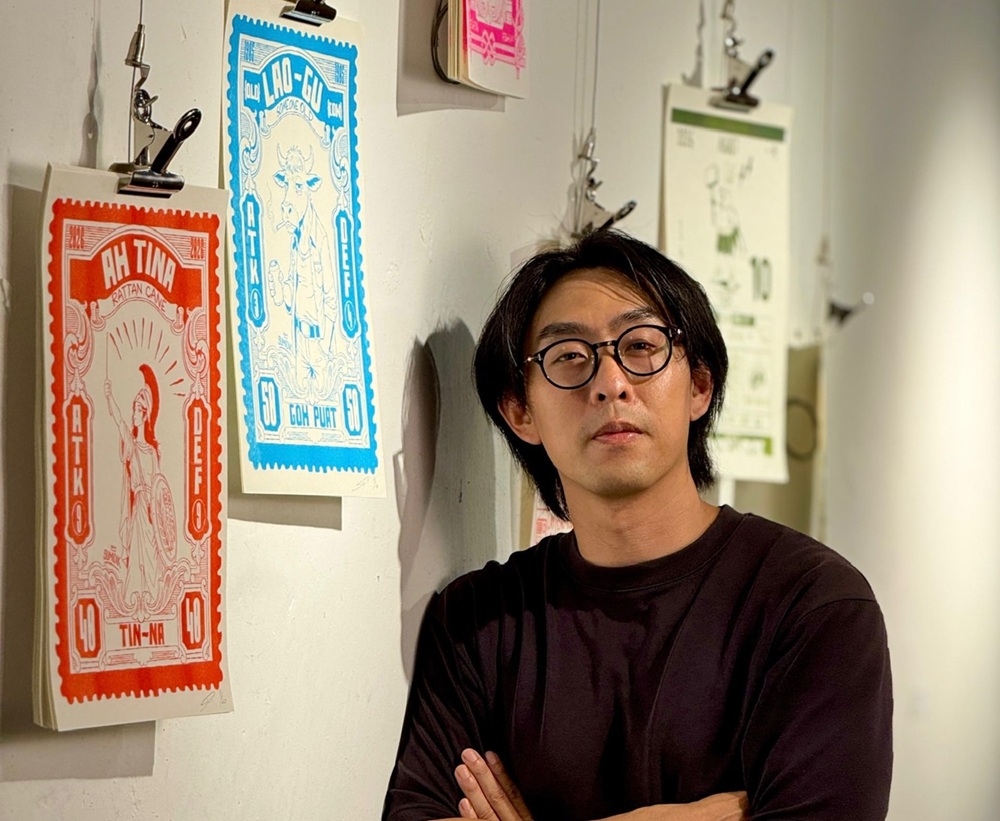
Sumidik wants to shine a spotlight on Hokkien through the ‘MaiKea’ exhibition. — Picture courtesy of Sumidik
The exhibition, after all, is Sumidik’s way of encouraging the use of Hokkien among the younger generation and to remind them of phrases used by the older generation.
He said Hokkien is a living language that evolved over the years and used to be spoken in public spaces from kopitiams to the markets.
Phrases such as kopi-o peng mai liao (black coffee without sugar), teh si juak (hot milk tea without sugar), wah, tjin kui! (That’s so expensive!) or khi si lang! (Stressing me out!) were often heard in kopitiams or in markets.
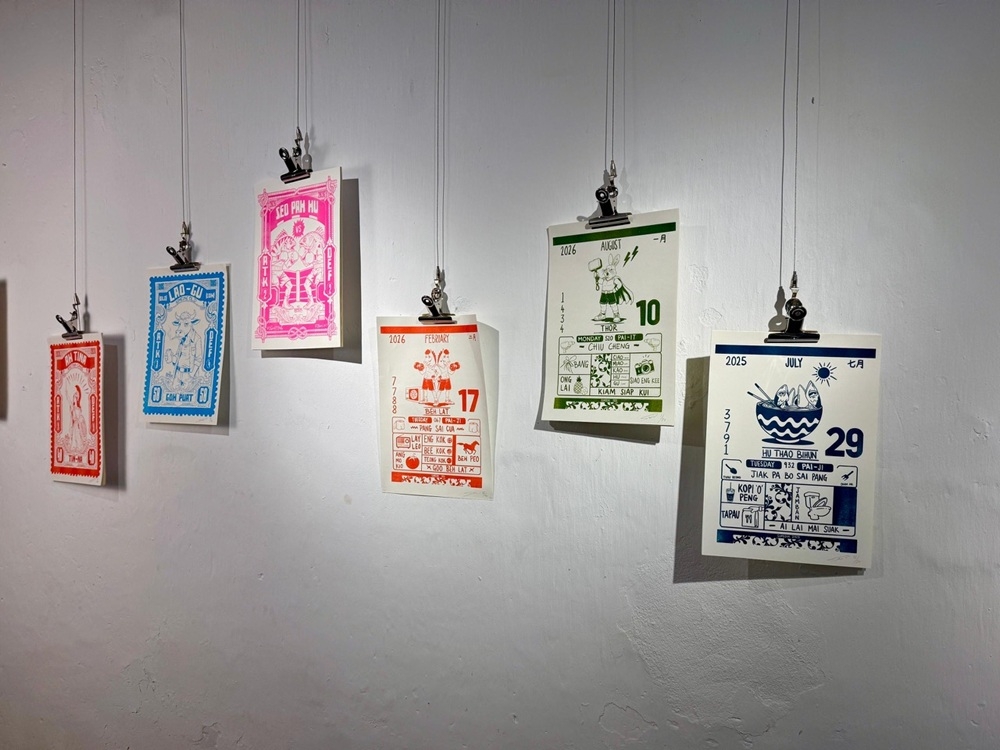
The paintings and Hokkien Calendar illustration series in the ‘MaiKea’ exhibition. — Picture courtesy of Sumidik
“So, I want to spotlight all these familiar Hokkien phrases and expressions by putting a fun wordplay on them through direct translation in my art,” he said.
The exhibition features 14 prints of his Hokkien Calendar Illustration series, three paintings and sculptures of his iconic TuKao.
TuKao is the shortened form of the common Hokkien phrase ah tu ah kao (pig and dog) which was used to describe the common person on the street who is rough around the edges, loud and maybe even a little bit vulgar.
Among his calendar series are common phrases such as buai ya (a Hokkien adaptation of the Malay word buaya) which is often used to describe a playboy and beneath it is chi ko pek which is a closely linked phrase meaning pervert or dirty old man.
“There are also three paintings and the main attraction is the toilet stall for visitors to scribble their own phrases,” Sumidik said.
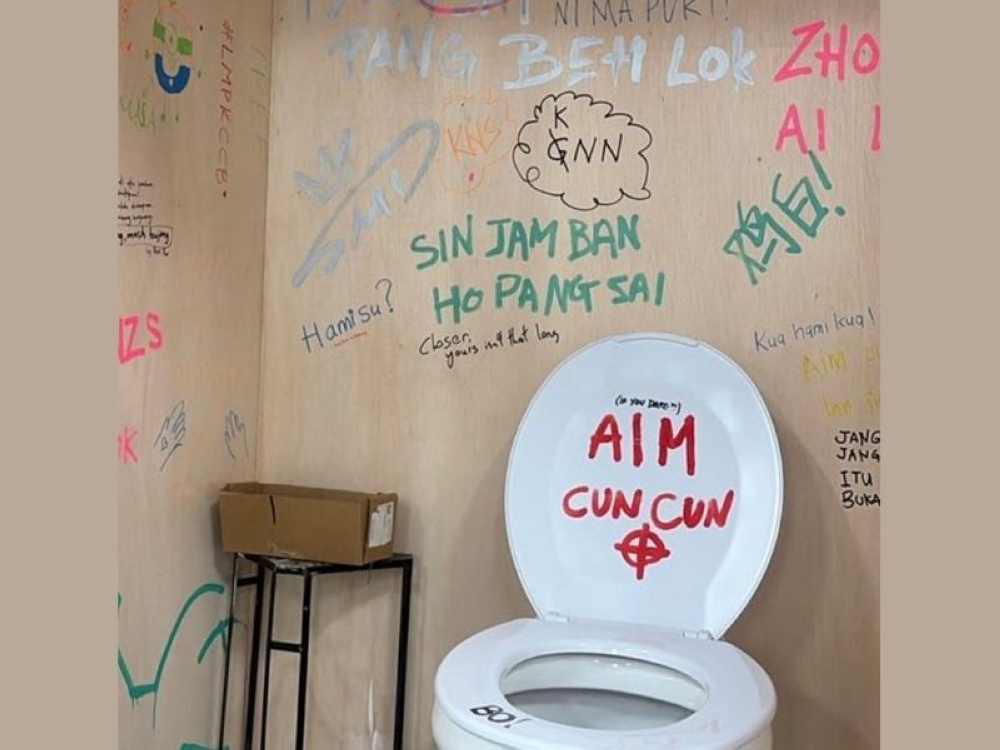
The toilet stall installation for visitors to scribble Hokkien phrases on. Sumidik got started with a few while the rest was filled by visitors. — Picture courtesy of AikBeng Chia
The exhibition, which opened on October 9, has already seen many visitors letting loose and scribbling various phrases on the three walls of the toilet stall including some vulgar ones.
“It’s very interesting, the visitors went all out to conteng on the walls... there were even Singaporeans spelling their own version of Hokkien phrases,” he said.
The exhibition at Masshaus, 147A, Lebuh Victoria in George Town, is open to the public from Friday to Sunday (12pm to 6pm) until October 31.
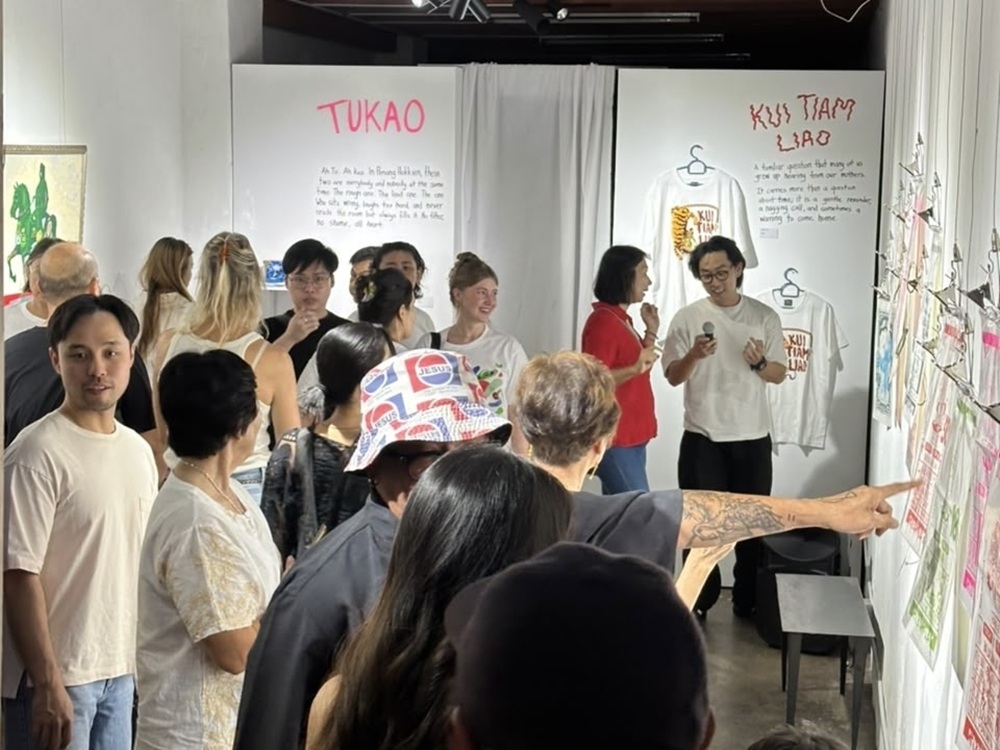
The opening of ‘MaiKea’ by Sumidik at MassHaus. — Picture courtesy of MassHaus
KioskNews shows a cleaned-up reading view extracted from the publisher’s page — the original always lives on their site, not ours.