Soaring petrol prices amid Middle East conflict drive highest Philippine inflation in years
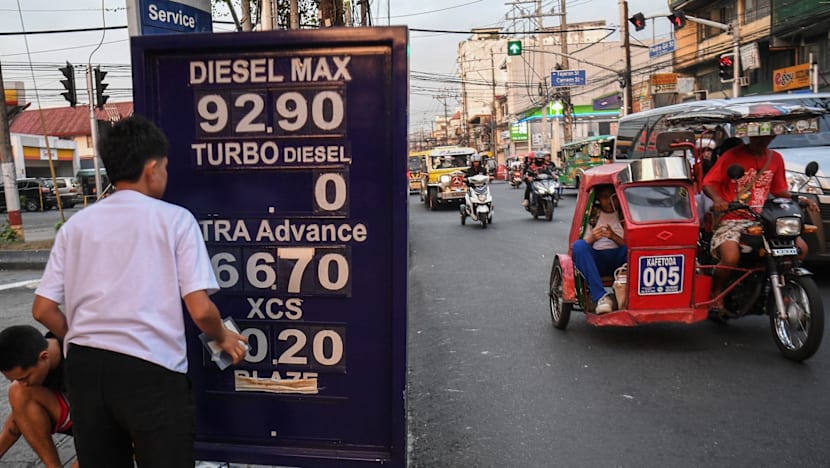
The Philippine's latest inflation number is the highest since February 2023.
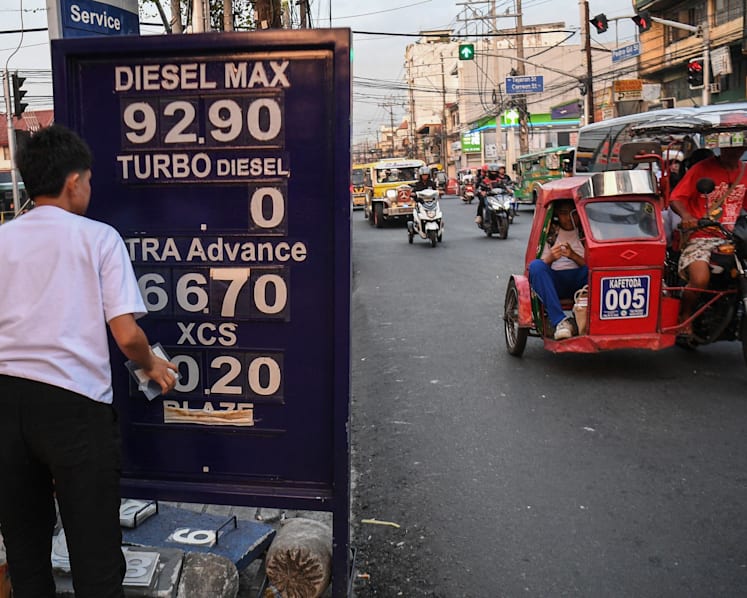
Workers change the price label of fuel at a petrol station in Manila on Mar 17, 2026. (File Photo: AFP/Ted Aljibe)
05 Nov 2026 12:23PM
MANILA: Soaring petrol prices driven by the Middle East conflict pushed inflation in the Philippines to a 44-month high of 7.8 per cent in October, the government said Thursday (Nov 5), as the country continues to struggle with a devalued peso.
The latest inflation number was the highest since the 8.6 per cent recorded in February 2023, chief Philippine statistician Dennis Mapa said, topping analysts' forecast of 7.6 per cent.
"The main reason for the rise in inflation in October compared to September is the 20 per cent rise in transport costs," he told a news conference.
The Middle East conflict has had a harsh impact on the oil import-dependent Philippines, with the peso also diving to record lows, driving up transportation costs for commuters while also affecting other costs from power generation to food transport.
The latest figures bring the inflation rate for the year to 5.6 per cent, well above the government target of 2 to 4 per cent.
"There are risks that we face ahead," Mapa said, citing the El Nino dry spell now starting to affect the country's food supply as well as rising energy commodity prices.
The inflation data was released two weeks after the central bank raised its key lending rate by a substantial 50 basis points to 5.50 per cent.
The bank said it needed a "strong monetary policy response to broadening price pressures and further upside risks to inflation".
As the peso fell to 64 to the dollar last week, President Ferdinand Marcos told Filipinos "don't panic", and blamed the exchange rate woes on the rising prices of oil.
While Manila could "do nothing" about global oil prices, Marcos said Philippine foreign exchange reserves were at a healthy level and the government had "all the tools to defend the peso".
Rising inflation has impacted the growth of the Philippine economy, which expanded by a paltry 2.3 per cent in the three months to June, the lowest since the fourth quarter of 2009, excluding the pandemic years.
Third-quarter gross domestic product growth data is scheduled to be released on Monday.
KioskNews shows a cleaned-up reading view extracted from the publisher’s page — the original always lives on their site, not ours.