Gulf nations keep oil flowing amid Iran war, but it’s getting costly
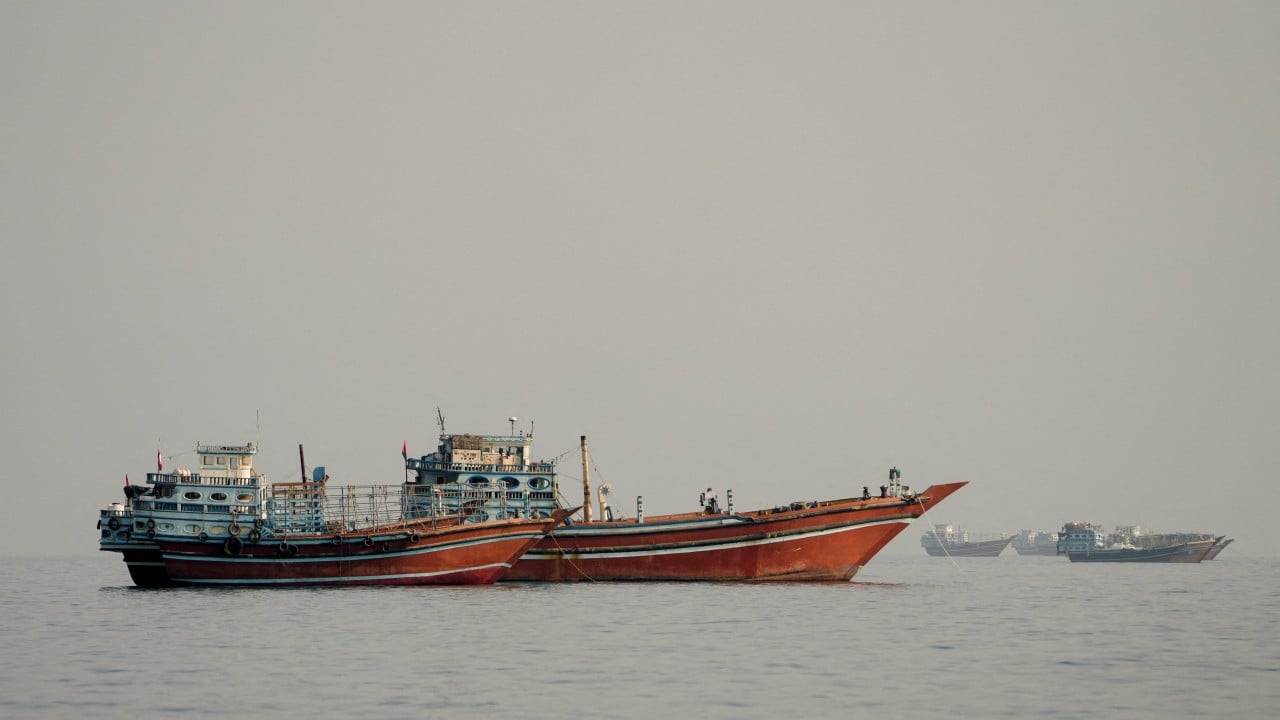
When Iran shut down the Strait of Hormuz at the start of the war, choking off sea passage for some 15 million barrels of oil a day, many feared that prices would skyrocket, cratering the world economy.
Instead, nearly seven months on, oil is expensive but not exorbitant, and analysts say there is enough oil available to meet current global needs, even as the higher prices cause political problems for US President Donald Trump and others.
That’s because Saudi Arabia and other Gulf producers quickly found alternative routes and reached for unused pipeline capacity. When Iran and its militant allies targeted those, the oil exporters and the US military found still other ways – workarounds for the workarounds – in an often clandestine game of whack-a-mole.
With oil now at around US$100 a barrel – higher than before the war but not as bad as feared – Iran has diminished leverage, while a US naval blockade and tightened sanctions smother its own economy.
KioskNews shows a cleaned-up reading view extracted from the publisher’s page — the original always lives on their site, not ours.