US risks ceding AI governance leadership to China and the EU
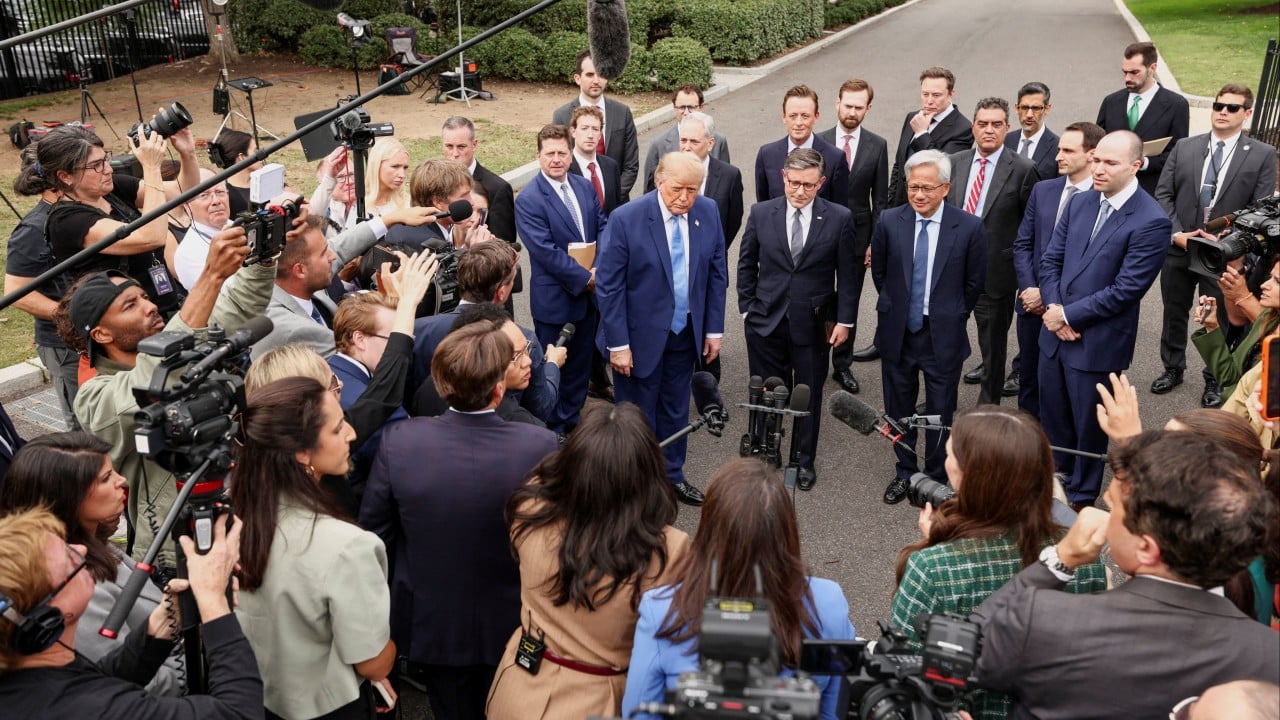
Standing alongside prominent technology executives, US President Donald Trump announced a voluntary agreement under which major artificial intelligence (AI) companies will use internal controls and monitoring, outside audits and board oversight to manage risks. The White House calls the commitments “morally binding”, but the accord does not create a comparable system of legal enforcement.
The administration’s logic is understandable. AI is becoming a source of economic and military power, and Washington does not want regulation to slow American companies while China races ahead. But what happens when the country developing many of the world’s most powerful AI systems tells the rest of the world that the companies building them should largely police themselves?
That question cannot be confined to Washington. A model may be developed in California, trained on American computing infrastructure, incorporated into a product sold in Europe and eventually used in Asia or Africa. Its consequences do not stop at the boundary of the country where it was developed.
KioskNews shows a cleaned-up reading view extracted from the publisher’s page — the original always lives on their site, not ours.