Protect Malaysia’s e-hailing drivers without pricing out passengers
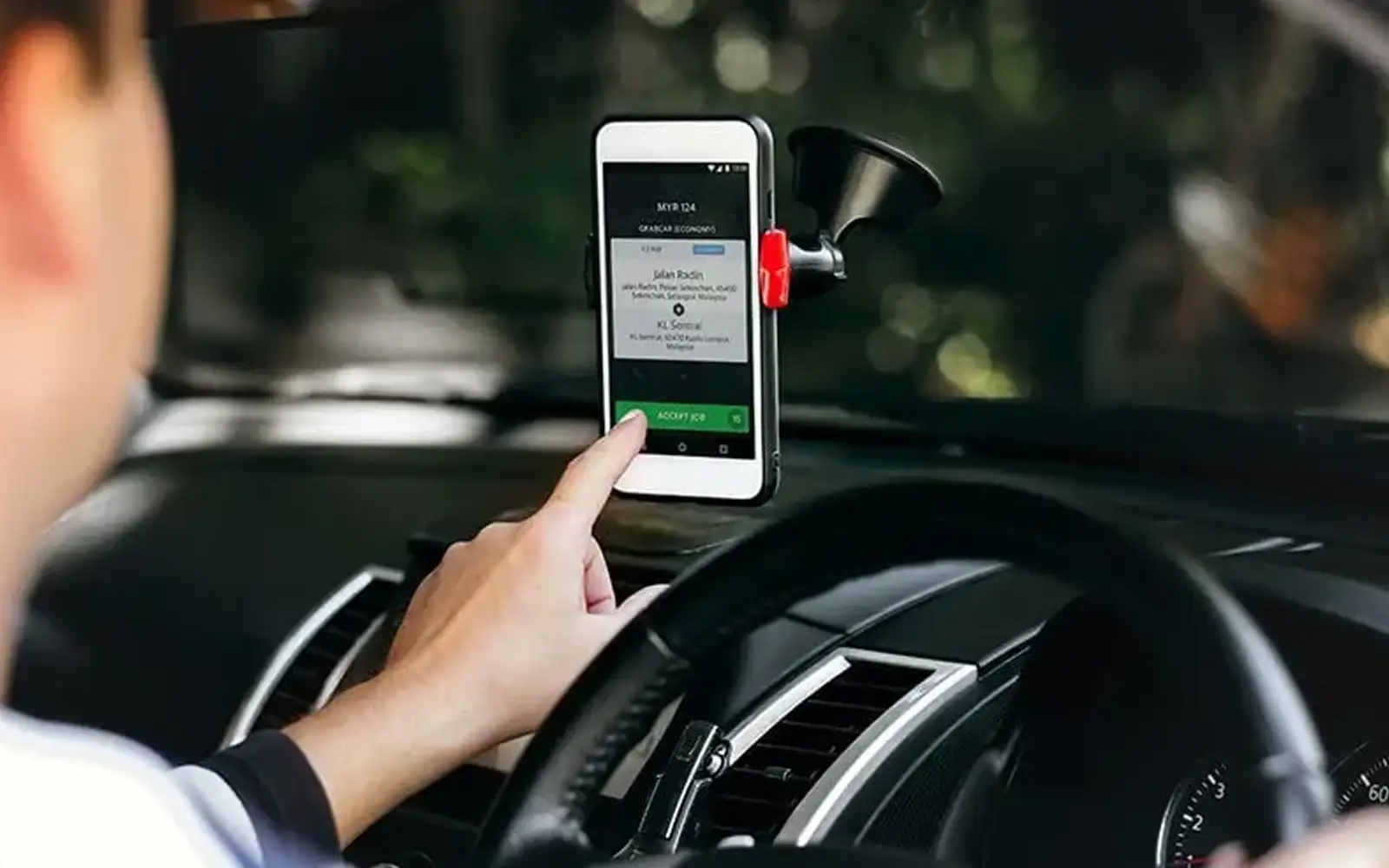
Malaysia’s debate over minimum e-hailing fares is about more than the price of a ride.
This raises a fundamental question: how do we protect drivers’ livelihoods without making everyday mobility more expensive for the public?
E-hailing has changed how Malaysians travel. It offers convenience, flexible earning opportunities and an important transport option in areas where conventional public transport remains inadequate.
For some commuters, it also provides the crucial connection between home and the nearest rail station.
Yet behind that convenience is an economic imbalance that deserves attention.
Drivers bear much of the cost of providing the service. Fuel, maintenance, insurance, financing and vehicle depreciation come out of their pockets. They also absorb the cost of travelling to pick-up points, returning without passengers and waiting between bookings.
These are legitimate concerns. However, increasing the minimum passenger fare does not necessarily resolve them.
What passengers pay and what drivers actually earn are not the same thing.
Consider two drivers. One completes a RM12 journey but waits another 45 minutes for the next booking.
Another completes two RM8 journeys over a similar period with little waiting time.
Depending on distance and operating expenses, the second driver could earn more despite charging less per trip.
This illustrates why driver welfare cannot be measured by individual fares alone. What matters is how much a driver retains after expenses and how many productive hours they achieve throughout the working day.
Our research into Malaysia’s e-hailing economy highlights the financial pressures faced by drivers.
Based on our operating-cost model, running a Perodua Bezza for e-hailing services costs approximately RM0.40 per kilometre, including fuel, maintenance, insurance and vehicle depreciation.
While this is an indicative estimate rather than an industry-wide benchmark, our findings highlight an important reality: drivers continue to incur costs even when they are not carrying passengers.
Travelling to pick-up points, repositioning between bookings and waiting for the next journey all affect their actual take-home earnings.
This is why proposals for a minimum base fare, distance tariff and time-based compensation require careful examination.
A five-kilometre journey through Kuala Lumpur during evening congestion is very different from a similar journey on a free-flowing suburban road. The distance may be identical, but the time commitment and opportunity to secure subsequent bookings are not.
Conditions also differ outside major cities, where drivers may face longer waiting periods and fewer passengers.
A uniform national fare formula could therefore benefit some drivers while disadvantaging others.
Without reliable information on actual operating costs, trip demand and driver utilisation, setting a statutory rate risks creating new problems even as it attempts to solve existing ones.
There is also the passenger to consider.
For many Malaysians, e-hailing is not a luxury. It is a practical transport option, particularly where buses are infrequent, rail stations are difficult to reach or travelling without a private vehicle is inconvenient.
In Greater Kuala Lumpur, some commuters depend on e-hailing for short journeys to MRT and LRT stations.
If that connection becomes disproportionately expensive, the entire public transport journey becomes less attractive.
Some may return to driving or riding motorcycles. Others may simply travel less.
Neither outcome should be dismissed when Malaysia is investing heavily in improving public transport accessibility.
However, affordable feeder services should not come at the expense of drivers.
If the government wants to encourage first- and last-mile connectivity, targeted subsidies, integrated ticketing and demand-responsive transit should be considered.
Drivers should not be expected to absorb the cost of achieving national public transport objectives.
This brings us to the more important regulatory question: should Malaysia focus on setting minimum passenger fares or protecting minimum driver earnings?
The Gig Workers Act 2025 provides an opportunity to examine this distinction. Through the Gig Workers’ Consultative Council, Malaysia now has a statutory mechanism for considering minimum earnings rates and formulas appropriate to different categories of gig work.
Rather than immediately imposing a uniform passenger fare floor, policymakers should examine whether minimum driver remuneration, supported by reasonable expense recovery, would offer more direct protection.
Such an approach must also address unpaid working time such as dead mileage. Protecting earnings only while a passenger is onboard may still leave drivers exposed to long periods of uncompensated waiting.
Platform accountability is equally important. Malaysia already has commission ceilings for e-hailing services, but regulators must ensure that deductions are transparent, existing requirements are enforced and drivers understand how their earnings are calculated.
Reducing commission ceilings may appear attractive, but its effects on platform viability, incentives, competition and passenger prices must also be assessed.
The wider institutional framework deserves attention. Transport regulation, worker protection and competition oversight involve different authorities. Whether Malaysia strengthens existing institutions or establishes additional regulatory arrangements, responsibilities must be clear and enforcement effective.
Creating another regulatory body will not automatically improve driver earnings if the underlying economic problems remain unresolved.
Before introducing binding fare formulas, Malaysia needs a credible assessment of driver operating costs, actual take-home earnings, unpaid mileage, working hours, platform deductions and passenger affordability.
The findings should guide regulation, not the other way around.
Drivers deserve fair remuneration for their time, effort and investment. Passengers deserve affordable and reliable mobility. Platforms need sustainable commercial conditions, while regulators must protect the wider public interest.
These objectives need not conflict, but achieving them requires evidence rather than assumptions.
Malaysia should not confuse higher fares with better livelihoods. The true measure of successful e-hailing regulation is whether drivers earn a reasonable return, passengers can still afford to travel and the transport system continues to serve both.
That is the equilibrium worth pursuing.
Wan Agyl Wan Hassan is the founder and senior adviser to MY Mobility Vision, a transport think tank.
The views expressed are those of the writer and do not necessarily reflect those of FMT.
KioskNews shows a cleaned-up reading view extracted from the publisher’s page — the original always lives on their site, not ours.