The Jerusalem PostEgyptian broadcaster and influencer sentenced to death after gang, drug convictionsוואלהנעצר חשוד בן 28 במעורבות באירוע הדקירה ביפו - בו נפצע הנדקר קשהInquirerLTFRB opens 8,750 slots for TNVS units in Metro Manila, Ilocos, BicolBollywood HungamaManoj Bajpayee to play Mahatma Gandhi for the first time in Sudhir Mishra’s next한겨레동맹과 국민 사이…‘호르무즈 파병’ 딜레마UOLEm Veneza, filme brasileiro 'London' subverte expectativas com PCD dominador em inferninhoRapplerGilas Pilipinas suffers back-to-back blowouts to Korea ahead of Asian GamesPremium TimesDefections: Lone Kano NDC senator, former governor join APCCollider8 Greatest Prime Video Thriller Shows That Are 10/10, No NotesGolem.deVodafone gegen 1&1: Bundeskartellamt darf Urteil zu Marktmissbrauch fällenSBS 뉴스한동훈 "성공한 로비" 주장하자…"앞뒤 잘라 정치 공세"BruzzCocaïneproces met spilfiguur Flor Bressers neemt maandag nieuwe start in Haren
The Daily Newsstand · Free, Always
Sunday, September 6, 2026

11 vibrant deep-sea creatures shine in new Caribbean expedition

Translate

Breakthroughs, discoveries, and DIY tips sent six days a week.

By signing up, you confirm you are 16+, will receive newsletters and promotional content and agree to our Terms of Use and acknowledge the data practices in our Privacy Policy. You may unsubscribe at any time.

Marine biologists from Trinidad and Tobago recently completed the first locally helmed and most expansive survey of the deep-sea waters around the Caribbean islands. The month-long project aboard Schmidt Ocean Institute’s research vessel (R/V) Falkor (too) documented around 13 percent of the nation’s marine territory, and described 20 potential new species. Researchers also collected over 700 specimens for the University of the West Indies, St. Augustine. Once catalogued, the additions will increase the size of the university’s Zoology Museum deep ocean collection by 12 times.

“Every new discovery we make, whether ecosystem, species or behavior, deepens our understanding of what’s at stake and strengthens our ability to be true stewards of this largely unseen but critical part of our country,” said expedition chief scientist Diva Amon.

Check out some of the stunning, rarely seen creatures below. (Click to expand images to full screen.)

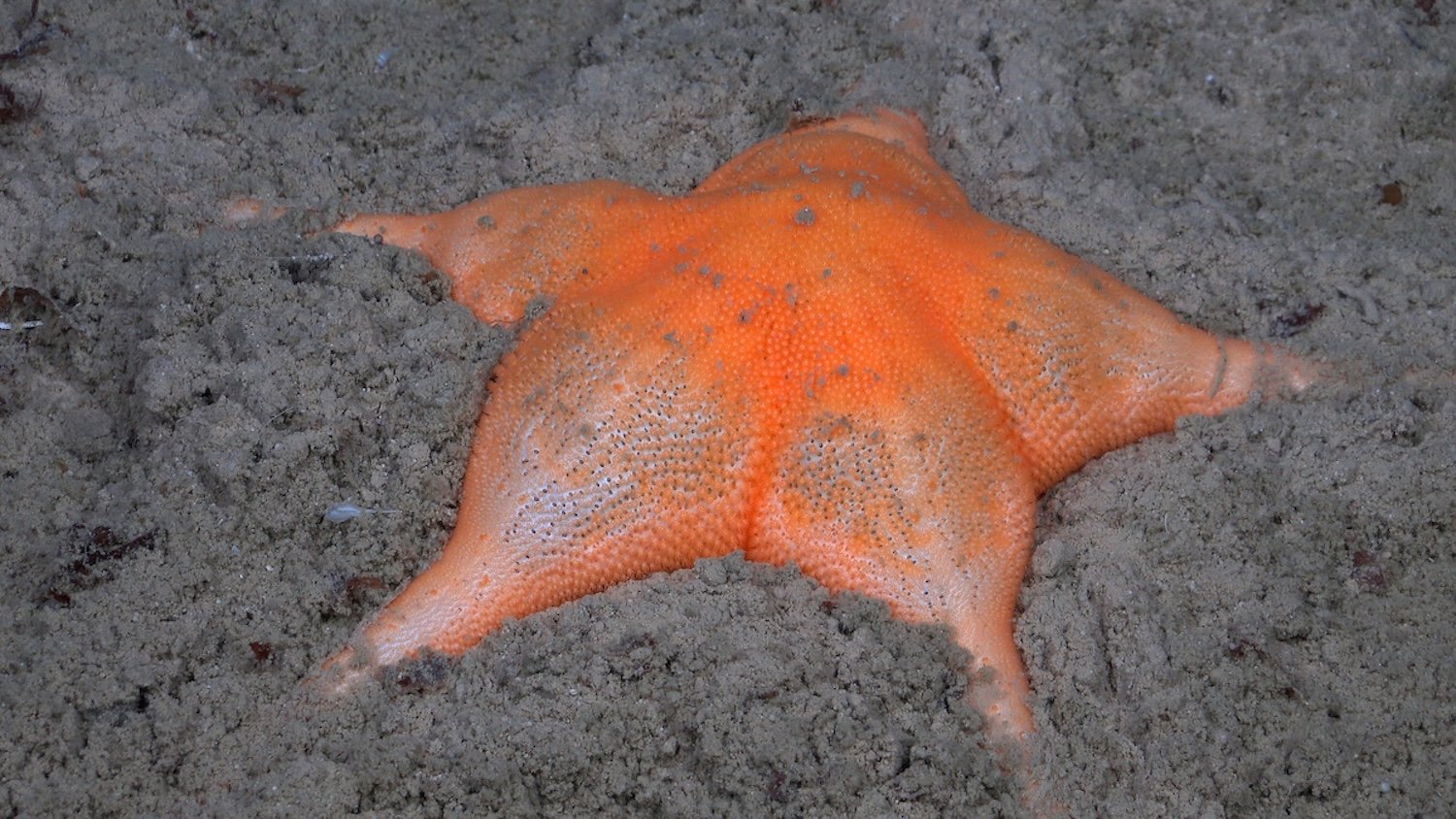
Suspected new sea star

A suspected new species of sea star (Porcellanasteridae) rests on the seafloor at a depth of 3,961 meters. Researchers collected the specimen while making dozens of other discoveries during the expedition, including at least 20 suspected new species. Photo credit: ROV SuBastian / Schmidt Ocean Institute Usage: Available via creative commons Attribution-NonCommercial-ShareAlike CC BY-NC-SA https://creativecommons.org/licenses/by-nc-sa/4.0/
A suspected new species of sea star (Porcellanasteridae) rests on the seafloor at a depth of 3,961 meters. Researchers collected the specimen while making dozens of other discoveries during the expedition, including at least 20 suspected new species. Credit: ROV SuBastian / Schmidt Ocean Institute

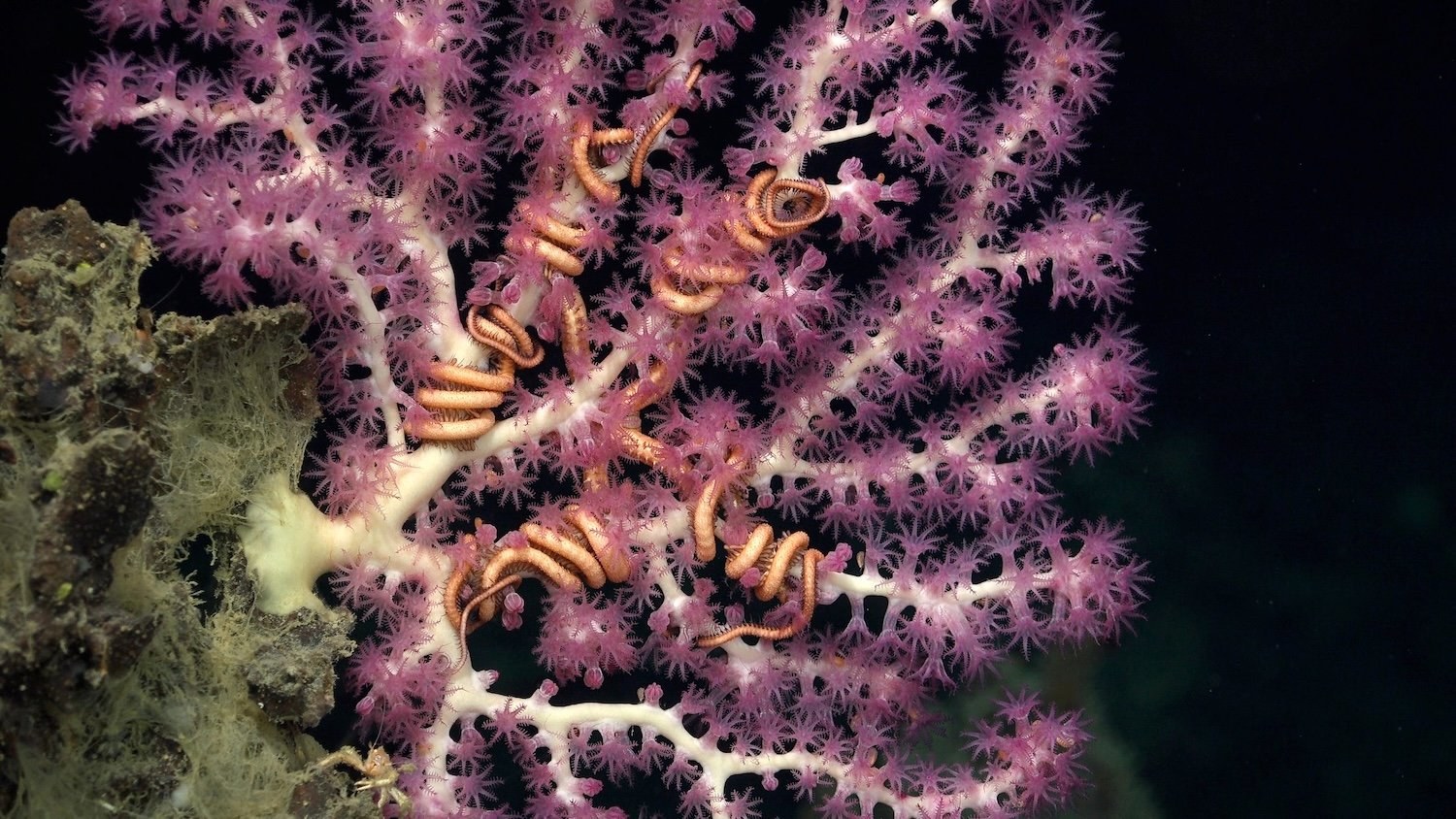
Symbiotic coral

Symbiotic brittle stars cling to a deep-sea coral off the coast of Trinidad and Tobago. A research team led by marine biologist Dr. Diva Amon (SpeSeas), composed largely of Trinbagonian scientists, surveyed the island nation's deep-water territory to document rare ecosystems and guide local conservation efforts.
Symbiotic brittle stars cling to a deep-sea coral off the coast of Trinidad and Tobago. A research team led by marine biologist Dr. Diva Amon (SpeSeas), composed largely of Trinbagonian scientists, surveyed the island nation’s deep-water territory to document rare ecosystems and guide local conservation efforts. Credit: ROV SuBastian / Schmidt Ocean Institute

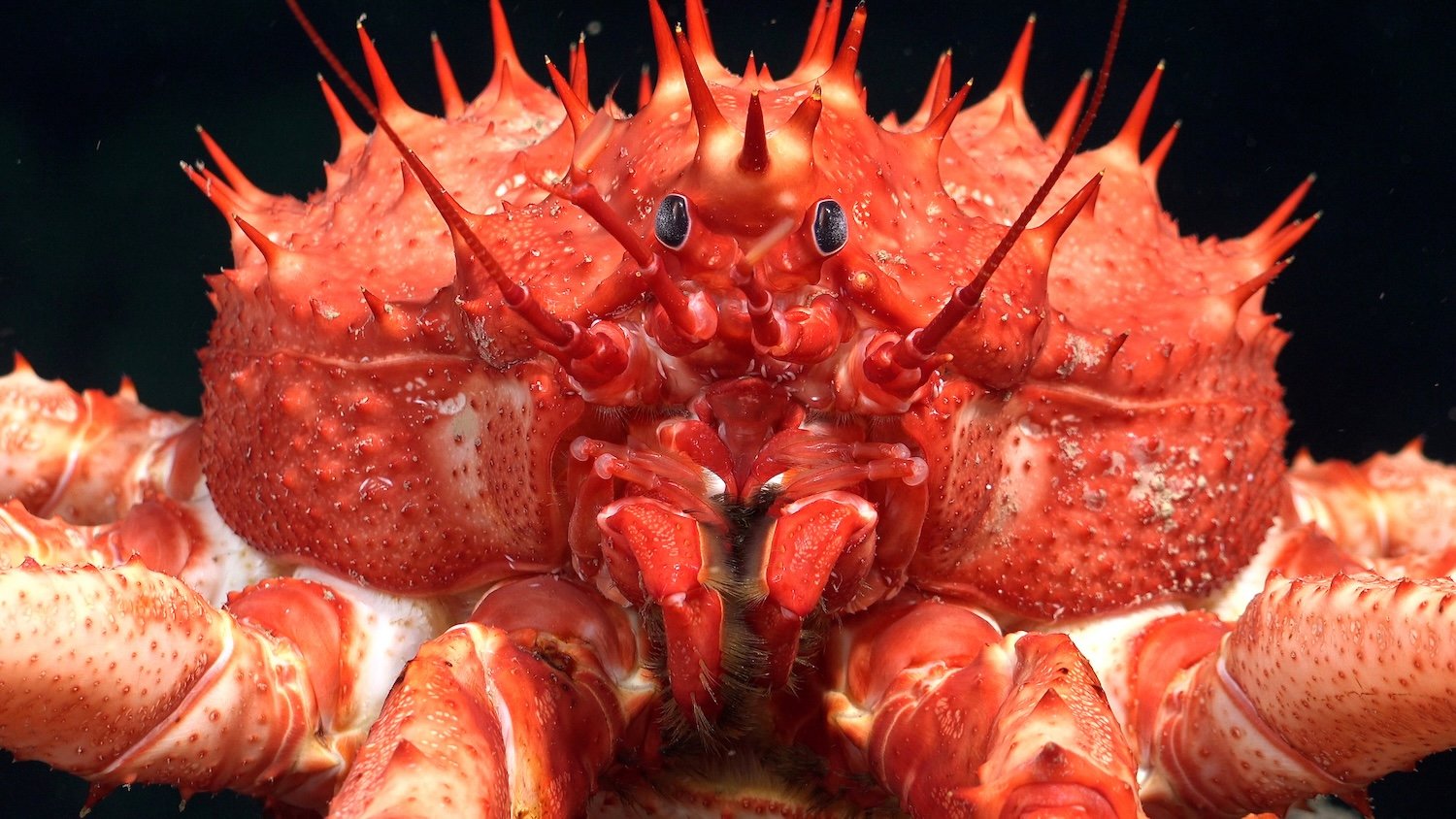
King crab

A king crab (Lithodes genus) crawls across the seafloor at a depth of 1,083 meters. Top predators in deep-sea environments, researchers documented these crabs while searching for bubble streams associated with unexplored cold seeps. Photo credit: ROV SuBastian / Schmidt Ocean Institute Usage: Available via creative commons Attribution-NonCommercial-ShareAlike CC BY-NC-SA https://creativecommons.org/licenses/by-nc-sa/4.0/
A king crab (Lithodes genus) crawls across the seafloor at a depth of 1,083 meters. Top predators in deep-sea environments, researchers documented these crabs while searching for bubble streams associated with unexplored cold seeps. Credit: ROV SuBastian / Schmidt Ocean Institute

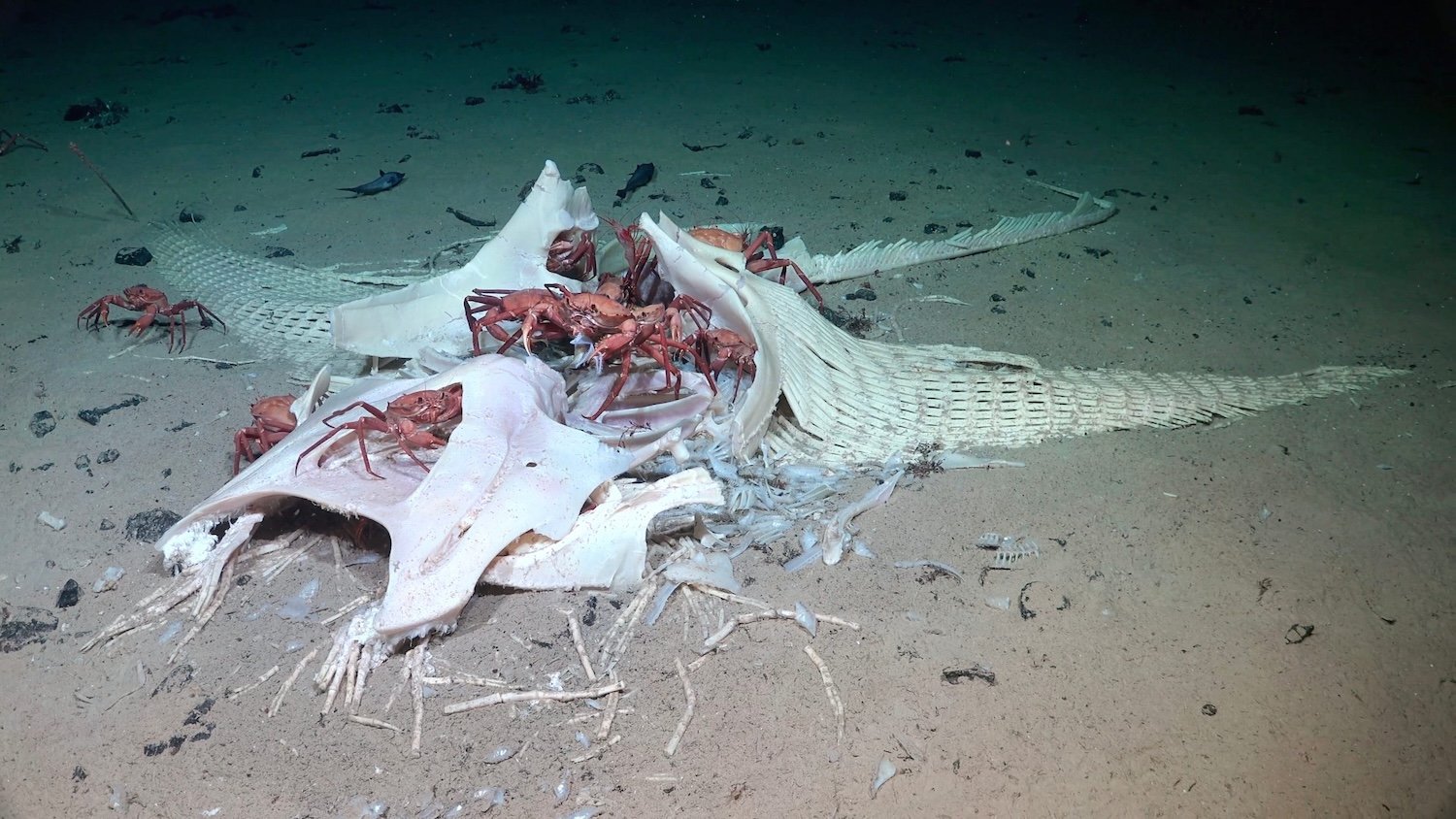
Rare manta ray fall

The science team encountered this rare manta ray (Mobula) fall at 1,025 meters depth off the coast of Trinidad and Tobago. When animals die in the Ocean, their bodies often sink to the seafloor, creating a rich food buffet that feeds hundreds of deep-sea species in an often food-scarce environment.
The science team encountered this rare manta ray (Mobula) fall at 1,025 meters depth off the coast of Trinidad and Tobago. When animals die in the ocean, their bodies often sink to the seafloor, creating a rich food buffet that feeds hundreds of deep-sea species in an often food-scarce environment. Credit: ROV SuBastian / Schmidt Ocean Institute

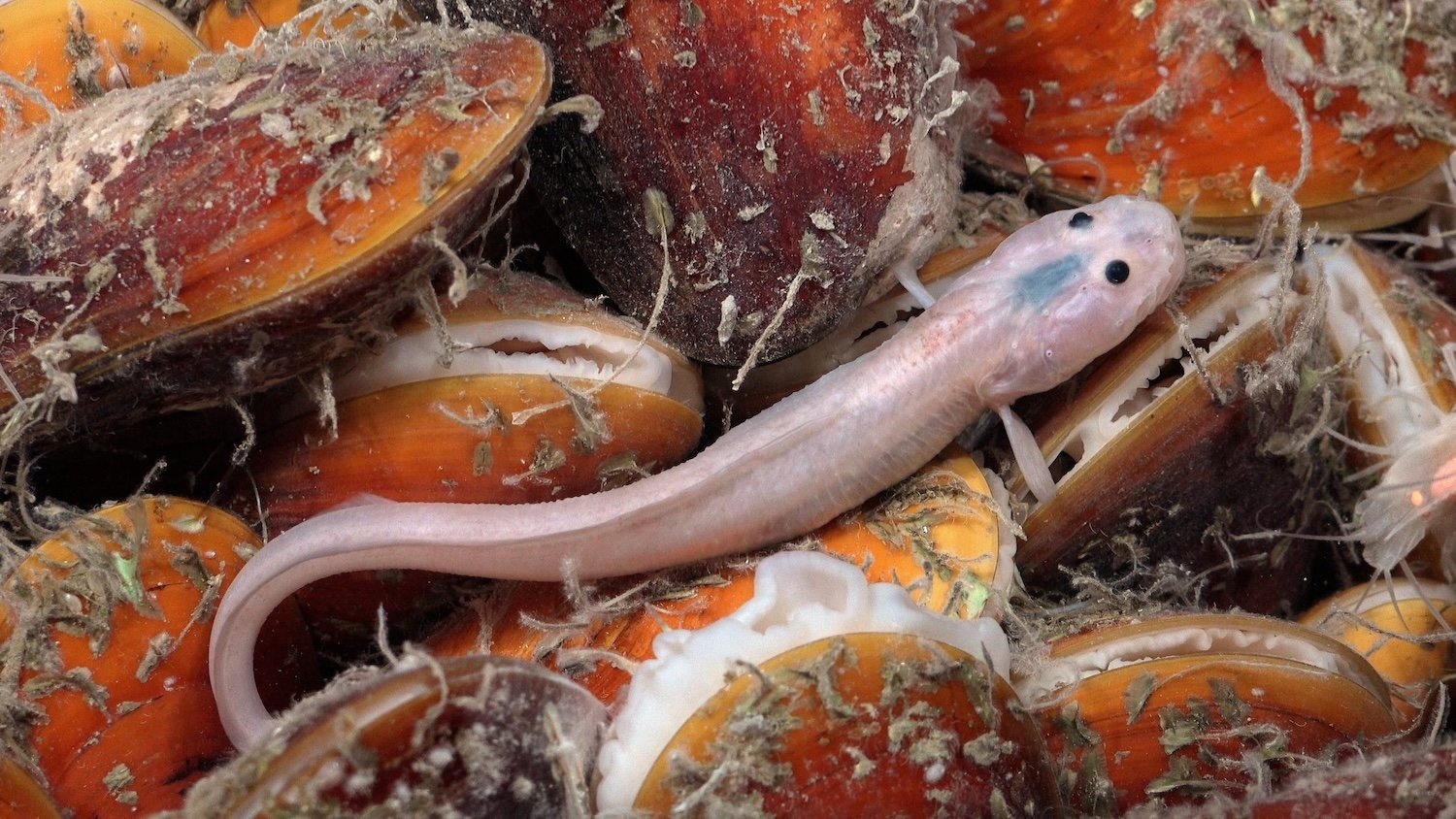
Eelpout

An eelpout (Pachycara caribbaeum) lies on a bed of chemosynthetic mussels (Gigantidas childressi) off the coast of Trinidad and Tobago. Ninety-three percent of Trinidad and Tobago lies below recreational scuba depths, placing its largest ecosystems in the mesophotic zone (between 30 and 199 meters) and the deep ocean. The geological setting of the two islands is ideal for supporting chemosynthetic habitats.
An eelpout (Pachycara caribbaeum) lies on a bed of chemosynthetic mussels (Gigantidas childressi) off the coast of Trinidad and Tobago. Ninety-three percent of Trinidad and Tobago lies below recreational scuba depths, placing its largest ecosystems in the mesophotic zone (between 30 and 199 meters) and the deep ocean. The geological setting of the two islands is ideal for supporting chemosynthetic habitats. Credit: ROV SuBastian / Schmidt Ocean Institute

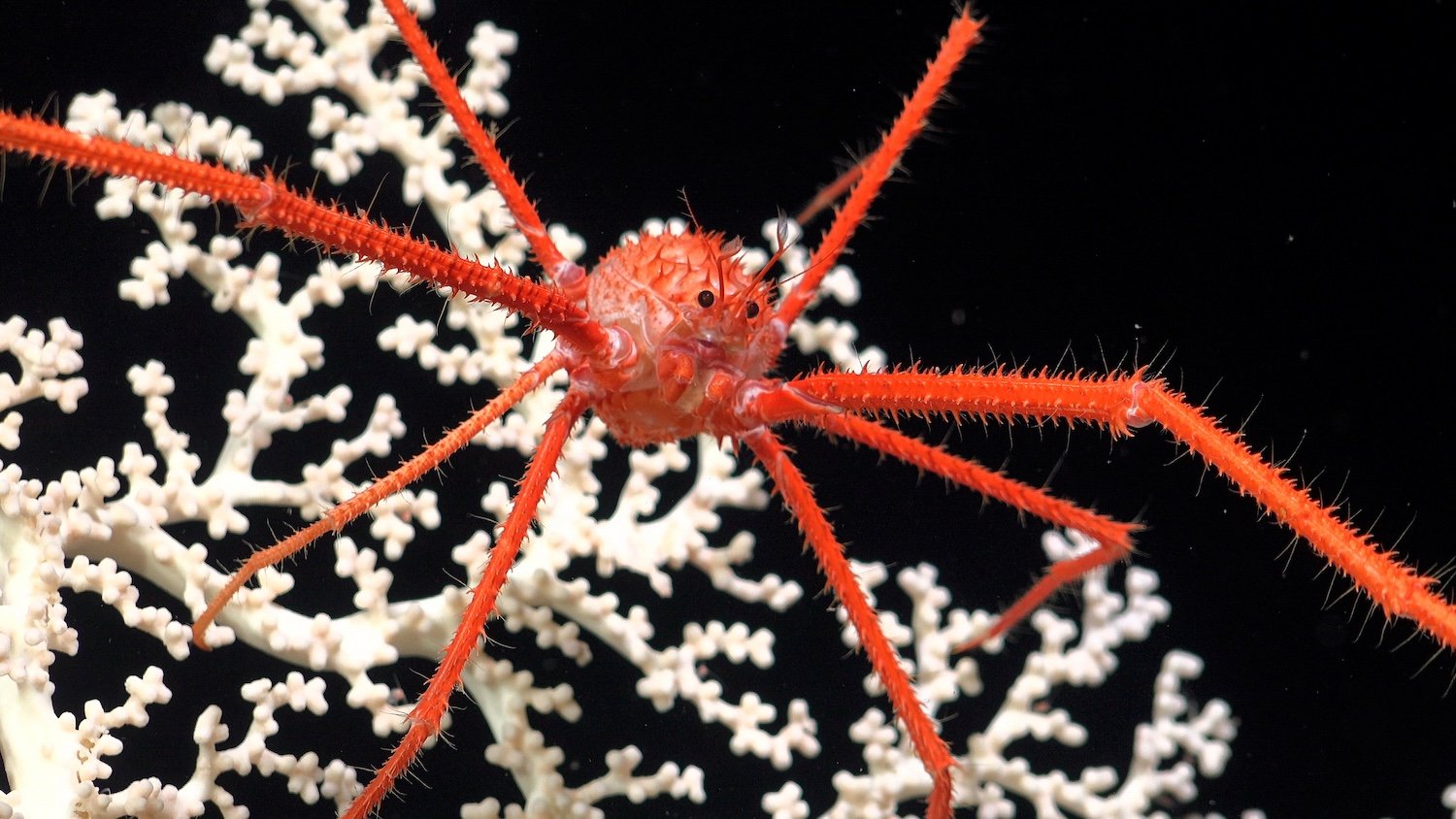
Squat lobster

A cold-water coral recorded at a depth of 1,055 meters (3,461 feet) provides habitat for marine life on the seafloor. While warm-water coral reefs at shallow recreational depths are widely known, deep-sea cold-water corals are far more abundant yet remain understudied. These complex ecosystems support diverse marine species, including squat lobsters, as pictured here. Photo credit: ROV SuBastian / Schmidt Ocean Institute Usage: Available via creative commons Attribution-NonCommercial-ShareAlike CC BY-NC-SA https://creativecommons.org/licenses/by-nc-sa/4.0/
A cold-water coral recorded at a depth of 1,055 meters (3,461 feet) provides habitat for marine life on the seafloor. While warm-water coral reefs at shallow recreational depths are widely known, deep-sea cold-water corals are far more abundant yet remain understudied. These complex ecosystems support diverse marine species, including squat lobsters, as pictured here. Credit: ROV SuBastian / Schmidt Ocean Institute

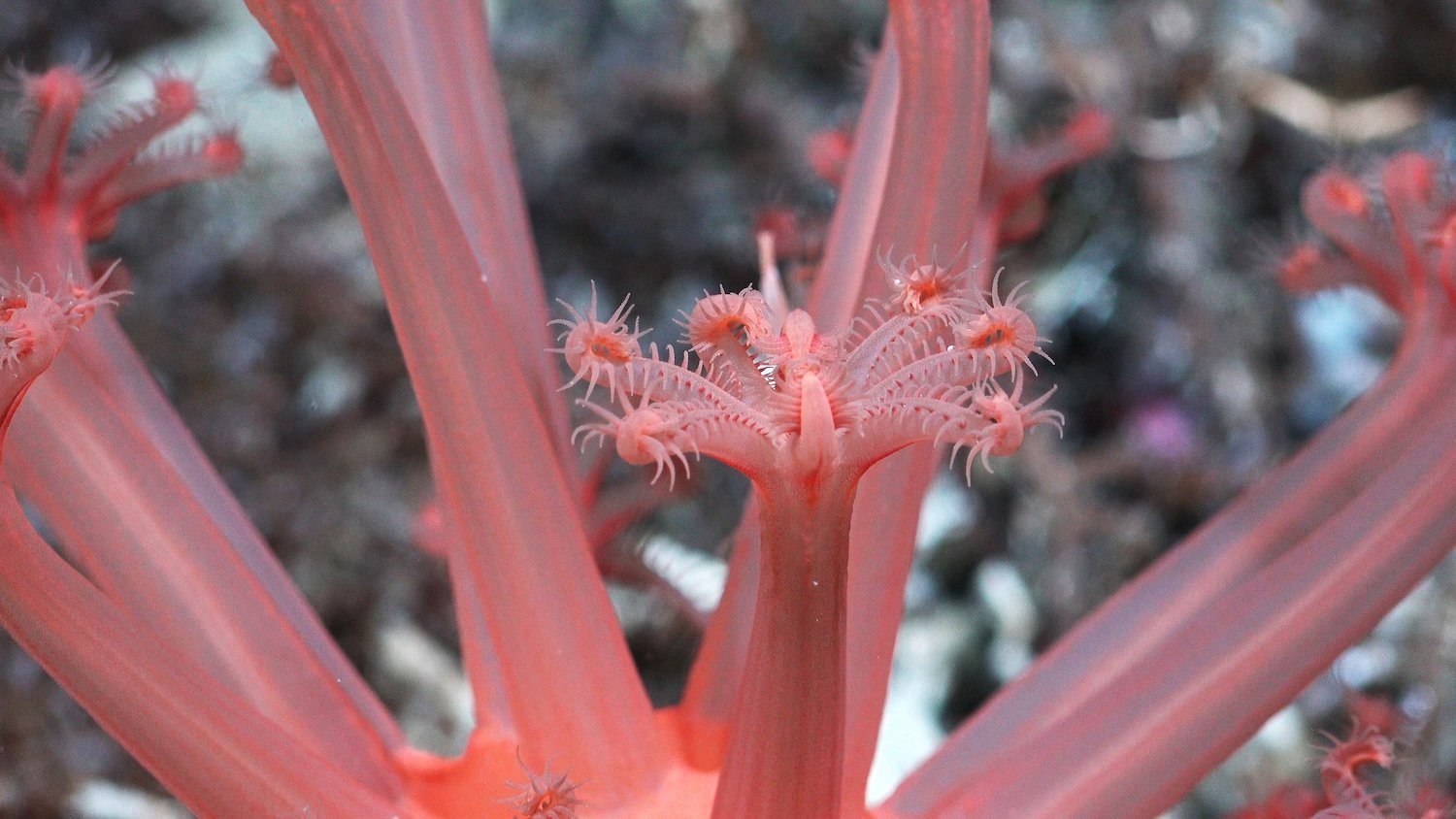
Mushroom coral

A mushroom coral rests on the seafloor at a depth of 1,277 meters off Trinidad and Tobago. Less than 0.001% of the island nation's deep-ocean territory has been explored due to technological constraints, leaving significant knowledge gaps about deep-water marine life in the region. Photo credit: ROV SuBastian / Schmidt Ocean Institute Usage: Available via creative commons Attribution-NonCommercial-ShareAlike CC BY-NC-SA https://creativecommons.org/licenses/by-nc-sa/4.0/
A mushroom coral rests on the seafloor at a depth of 1,277 meters off Trinidad and Tobago. Less than 0.001% of the island nation’s deep-ocean territory has been explored due to technological constraints, leaving significant knowledge gaps about deep-water marine life in the region. Credit: ROV SuBastian / Schmidt Ocean Institute

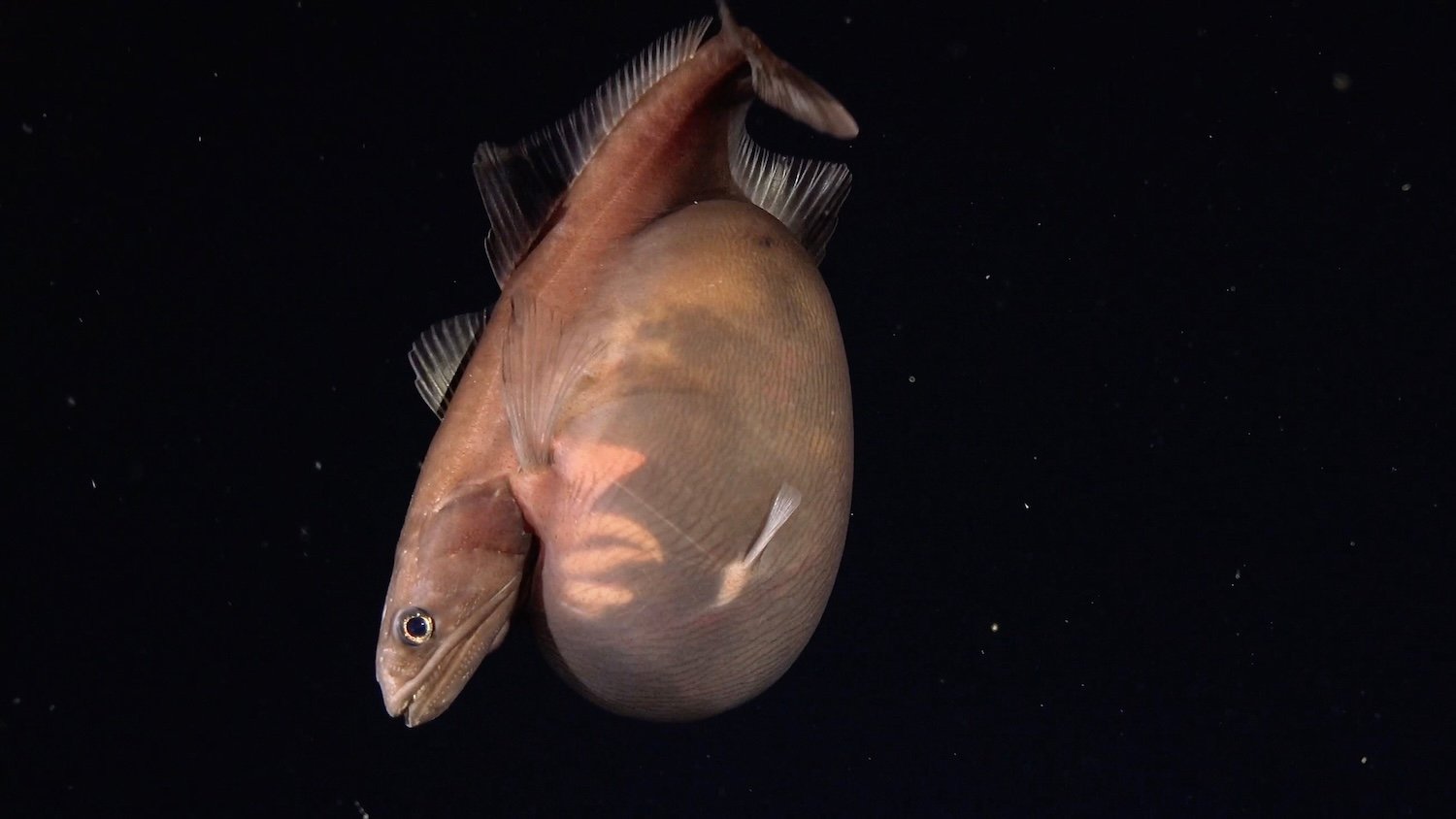
Black swallower fish

A black swallower fish (Chiasmodon niger) swims at a depth of 1,259 meters during a remotely operated vehicle dive off Trinidad and Tobago. Known for their expandable stomachs and dislocating jaws, these rare deep-sea fish can swallow prey larger than themselves. This specimen's translucent belly reveals a recent meal. A research team led by marine biologist Diva Amon conducted the first comprehensive deep-water survey of the nation's ocean territory, where more than 93% of the waters lie below recreational diving depths. Restricted usage: For editorial and news usage only Credit: ROV SuBastian / Schmidt Ocean Institute
A black swallower fish (Chiasmodon niger) swims at a depth of 1,259 meters during a remotely operated vehicle dive off Trinidad and Tobago. Known for their expandable stomachs and dislocating jaws, these rare deep-sea fish can swallow prey larger than themselves. This specimen’s translucent belly reveals a recent meal. A research team led by marine biologist Diva Amon conducted the first comprehensive deep-water survey of the nation’s ocean territory, where more than 93% of the waters lie below recreational diving depths. Credit: ROV SuBastian / Schmidt Ocean Institute

Lizard fish

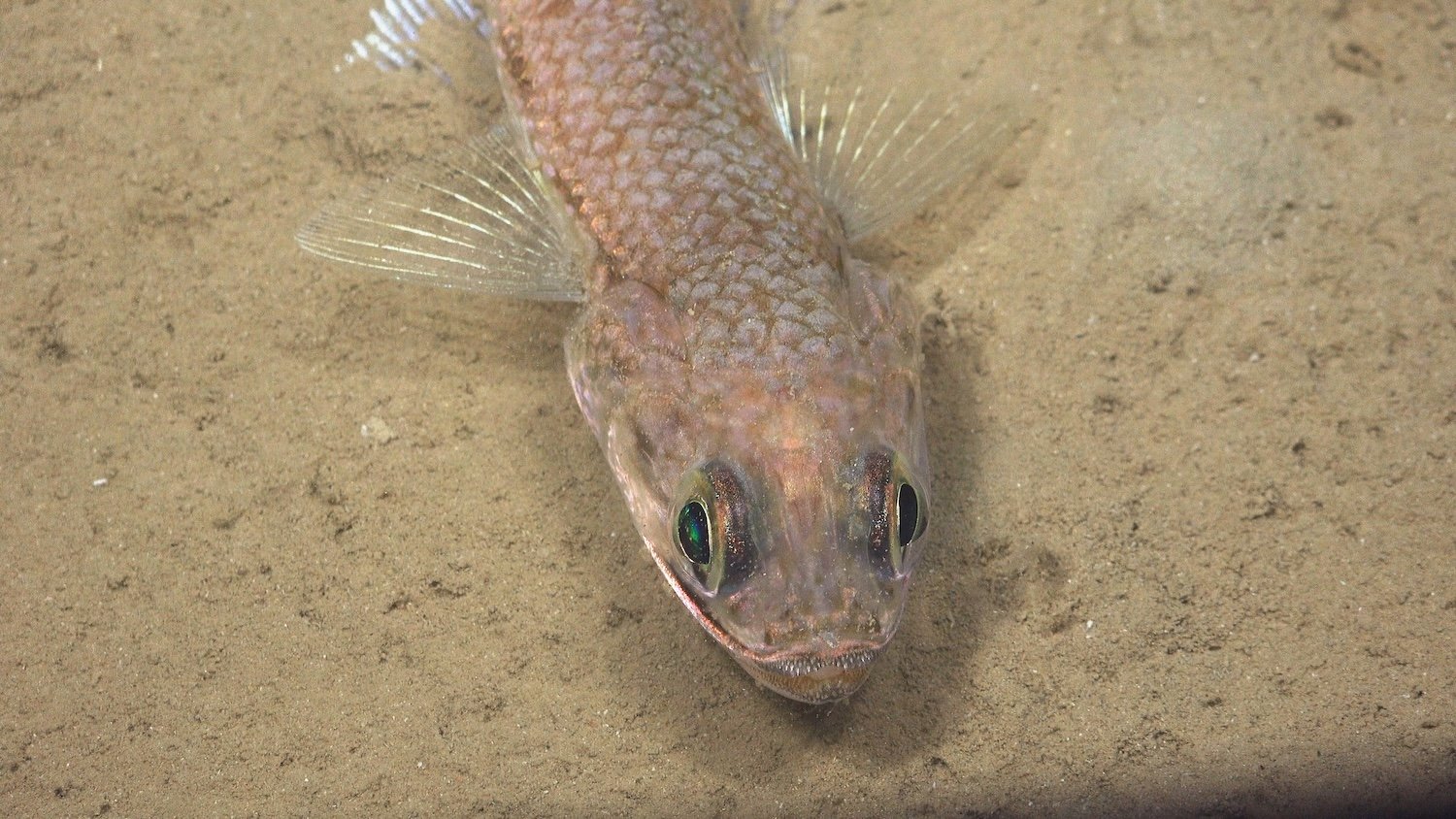
Scientists observed this lizardfish at a depth of 148 meters while exploring a slope off the coast of Trinidad and Tobago in a UNESCO Biosphere Reserve. Photo credit: ROV SuBastian / Schmidt Ocean Institute Usage: Available via creative commons Attribution-NonCommercial-ShareAlike CC BY-NC-SA https://creativecommons.org/licenses/by-nc-sa/4.0/
Scientists observed this lizardfish at a depth of 148 meters while exploring a slope off the coast of Trinidad and Tobago in a UNESCO Biosphere Reserve. Credit: ROV SuBastian / Schmidt Ocean Institute

Ghost shark

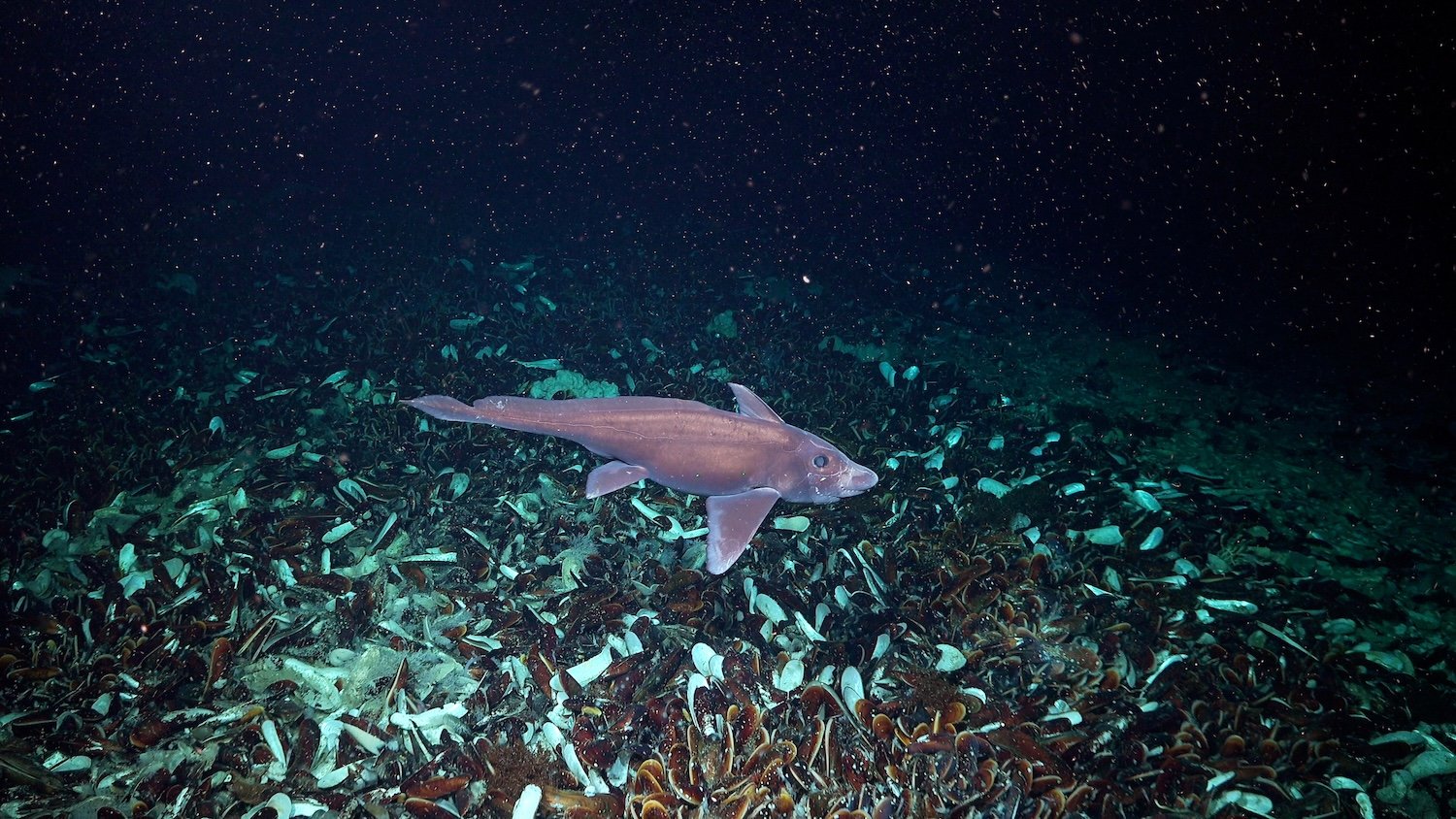
A chimaera, or ghost shark, swims near a cold seep at a depth of 2,355 meters. Scientists discovered 25 cold seeps during the recent deep-sea expedition. Unlike sunlight-dependent ecosystems, marine life near these seafloor fissures relies on chemosynthetic energy generated by gas escaping from the Earth's surface. Photo credit: ROV SuBastian / Schmidt Ocean Institute Usage: Available via creative commons Attribution-NonCommercial-ShareAlike CC BY-NC-SA https://creativecommons.org/licenses/by-nc-sa/4.0/
A chimaera, or ghost shark, swims near a cold seep at a depth of 2,355 meters. Scientists discovered 25 cold seeps during the recent deep-sea expedition. Unlike sunlight-dependent ecosystems, marine life near these seafloor fissures relies on chemosynthetic energy generated by gas escaping from the Earth’s surface. Credit: ROV SuBastian / Schmidt Ocean Institute
View the original on Popular Science

KioskNews shows a cleaned-up reading view extracted from the publisher’s page — the original always lives on their site, not ours.