South Korea checks glasses and collars for hidden AI in university exam
South Korean Prime Minister Han Seong-sook vowed to crack down on cheating using artificial intelligence at the coming nationwide university entrance exam, denouncing it as a “social evil” on Tuesday.
Han pledged to mobilise “all national capabilities” to prevent AI-assisted cheating in Thursday’s College Scholastic Ability Test (CSAT), including activating an emergency response team, banning candidates from possessing smart devices during the exam and deploying more personnel to exam sites.
Concerns over technology-assisted cheating were raised after the top scorer in a certified tax accountant exam confessed on Sunday to using a micro-camera and a smartphone to access AI during the test.
“All smart devices, including smartphones, must be powered off and turned in,” Han said during a cabinet meeting, as reported by the Yonhap news agency. “We will conduct thorough inspections of all glasses and watches worn by test takers, and carefully check items, such as collars, sleeves and buttons.”
Han said the government would restrict access to Wi-fi networks around exam sites. All candidates’ belongings are required to be stored outside the exam rooms, with authorities conducting checks to ensure no smart devices are switched on inside them.
There will be a zero-tolerance policy to cheating, according to Han.
“In any suspected case, we will pursue a thorough investigation and take stern action, including invalidating the exam, revoking eligibility and filing criminal complaints or requesting police investigations,” she said.
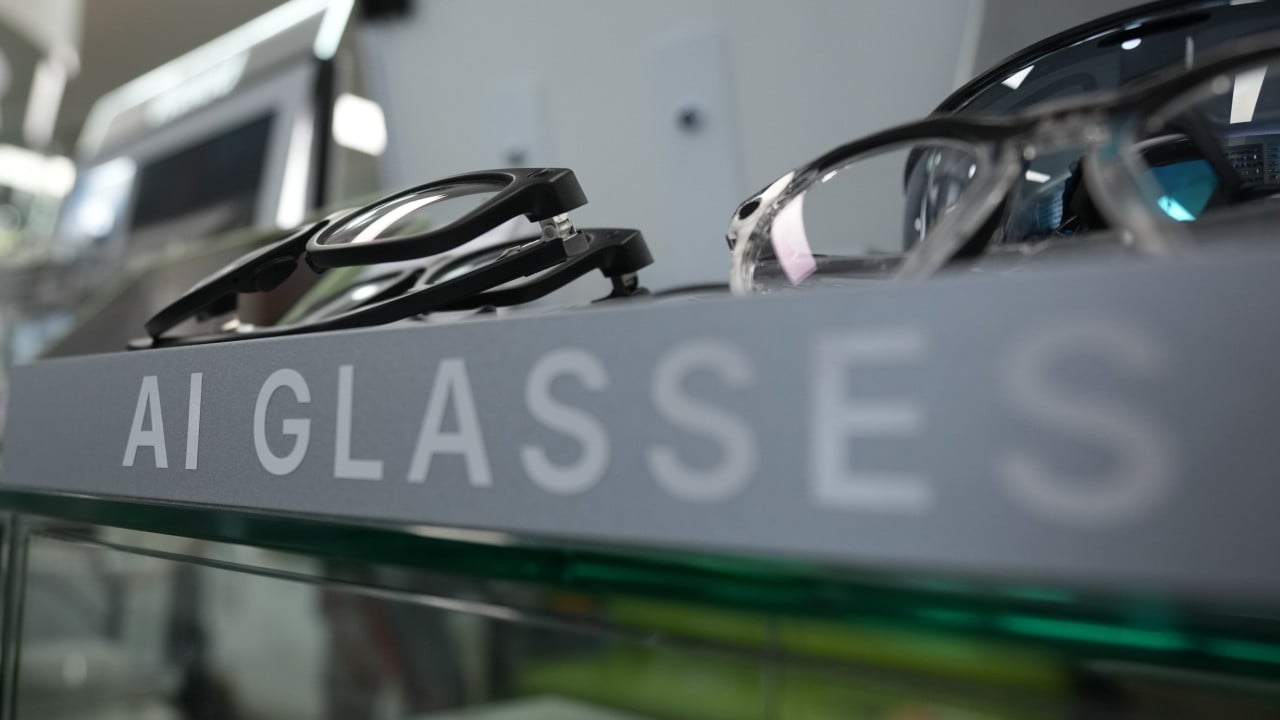
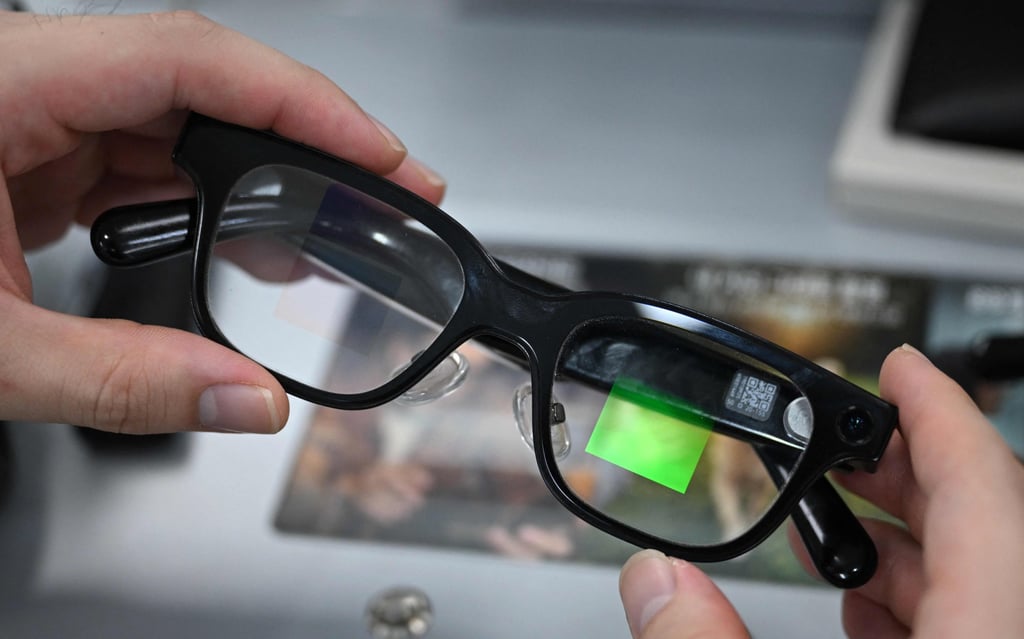
AI-assisted cheating has been a growing concern in South Korea following multiple reports involving smart glasses. Four cases of exam cheating using AI glasses were reported at a middle school and three high schools this year, according to the education ministry on Monday. Three of the four were caught after they kept touching their glasses.
Education minister Choi Kyo-jin said on Monday his ministry would inspect all candidates’ glasses in every session of the CSAT, and each exam site would have at least one proctor dedicated to monitoring smart devices, Reuters reported.
The preventive measures would be applied to other state-administered exams too, Han said. “Creating a fair testing environment that the people can trust is a fundamental duty that the government must fulfil. Upholding the fairness of examinations is directly linked to public trust, and each government ministry should develop effective measures and ensure they are implemented thoroughly.”
01:56
Chinese company unveils new lightweight smart glasses
The ministry was working with other government agencies on the issue, education ministry official Song Geun-hyeon said, as reported by the Associated Press.
“At the governmentwide level, we would need to give further consideration to measures that will make it easier to identify [AI] smart devices,” Song said, adding that officials were debating whether to require such devices to emit “flashing lights or sounds” while in use.
The South Korean military is also on the alert for AI-related spying. It said on Tuesday it had tightened screening of smart wearable devices at military sites, including smart glasses capable of recording or filming, to prevent unauthorised devices from entering military facilities, Yonhap reported.
All eyeglasses must pass through an X-ray scanner, where available, or be physically inspected by guards to look for micro-cameras or charging ports.
Since the tougher rules took effect this month, there had been no reported violations involving smart glasses, the defence ministry said.
KioskNews shows a cleaned-up reading view extracted from the publisher’s page — the original always lives on their site, not ours.