12 British Horror Movies Everyone Should Watch At Least Once

Richard Craig is a Senior Author at Screen Rant covering film and TV. Richard has also written extensively about horror and film soundtracks, contributing a chapter to the first major academic collection on the folk horror genre, The Routledge Companion to Folk Horror. Richard is also a performing musician and holds an MA in Music and Sound Art.
British horror has influenced the genre for more than a century, with several classics that every fan must see at least once. While Hollywood frequently dominates conversations about horror cinema, the United Kingdom has produced some of the medium's most important and innovative works, from psychological thrillers and ghost stories to folk horror and body horror. Indeed, British filmmakers have repeatedly redefined what horror can achieve.
The films on this list represent different eras, styles, and fears, but each left a lasting mark on horror history. Some introduced groundbreaking special effects, while others transformed familiar monsters into something entirely new. Several were initially misunderstood before being recognized as classics years later.
Together, they demonstrate the remarkable range of British horror cinema, whether atmospheric black-and-white chillers or modern nightmares drenched in blood and tension. Every film here offers an experience that is essential viewing for horror fanatics.
Peeping Tom (1960)

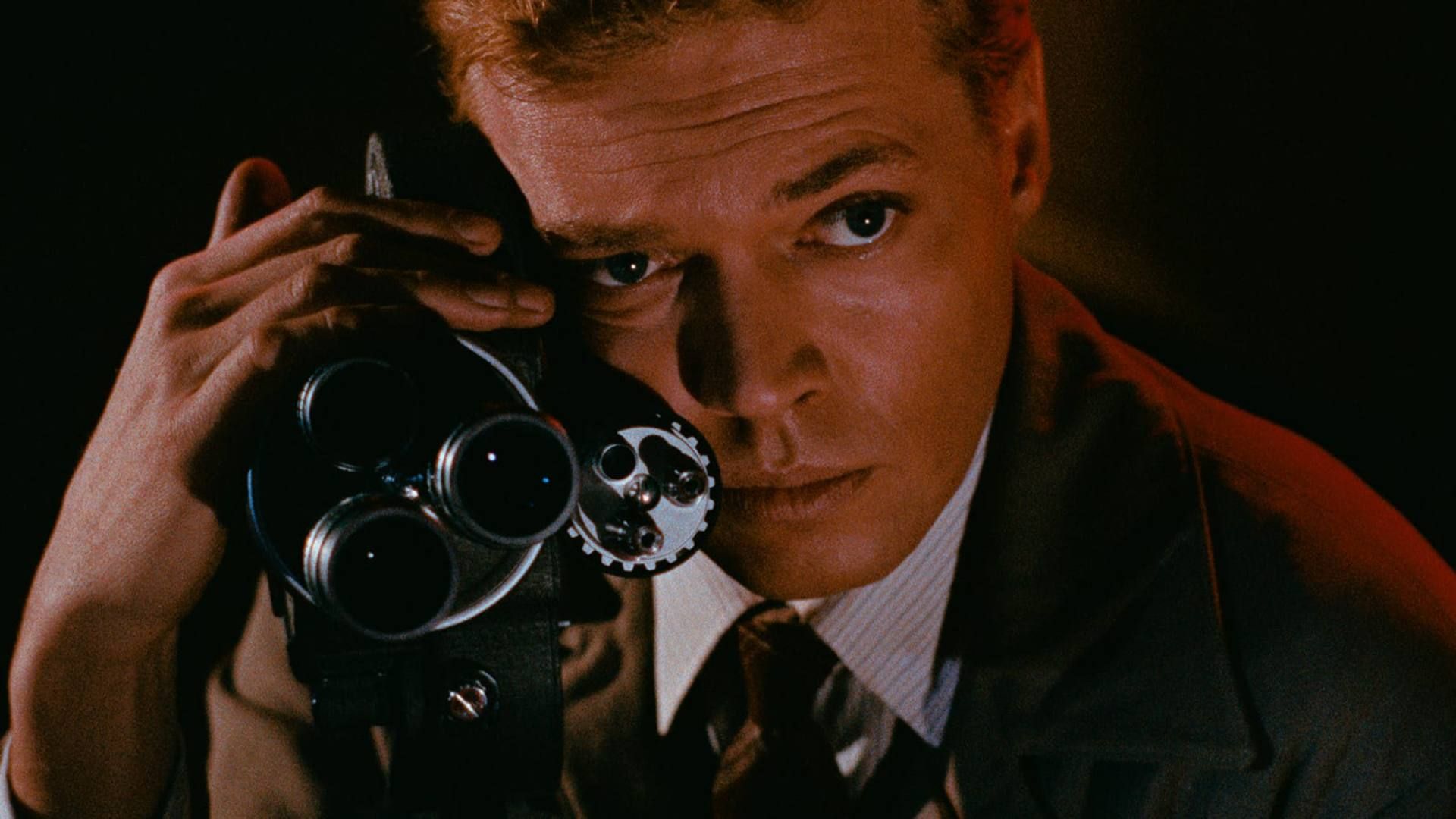
Michael Powell's Peeping Tom follows Mark Lewis, a disturbed cameraman who films the terror of his victims as he murders them. Peeping Tom was savaged by critics upon release and seriously damaged Powell's career, yet it has since been reevaluated as one of the most influential psychological horror films ever made, as well as a key precursor to the slasher genre.
Indeed, Peeping Tom was years ahead of its time. Powell forces viewers to confront their own role as spectators, turning the camera itself into a weapon. Its exploration of voyeurism, obsession, and filmmaking influenced everyone from Martin Scorsese to modern horror directors. More than sixty years later, its themes are still surprisingly contemporary, making Peeing Tom one of Britain's most important and daring horror movies.
The Descent (2005)
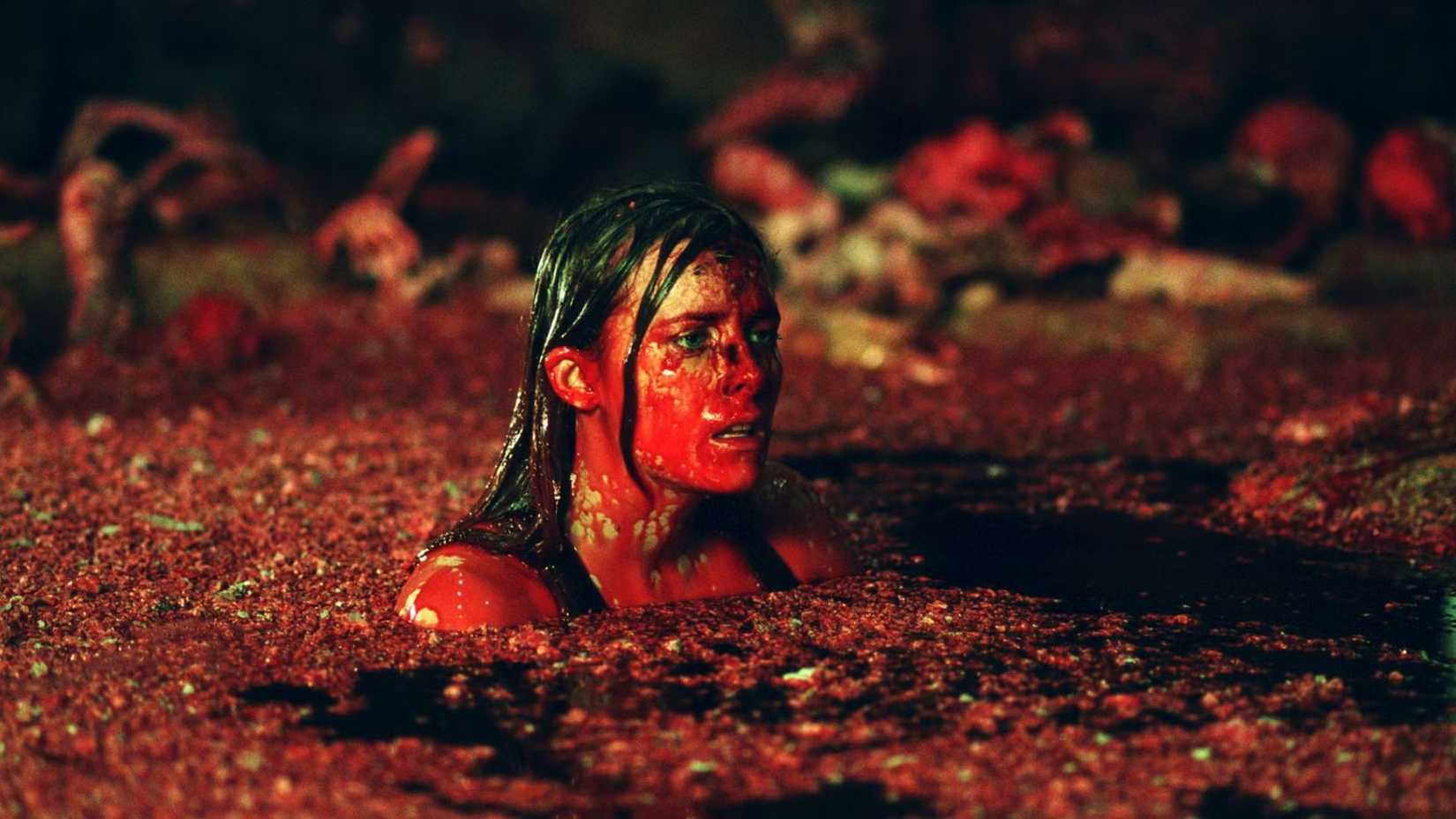
The Descent begins as a caving expedition involving six friends before becoming a fight for survival beneath the earth. The women become trapped in an unexplored cave system and quickly discover they are not alone. The combination of claustrophobia, darkness, and predatory creatures creates one of the most intense horror experiences of the 21st century.
The Descent is worth watching at least once because few horror movies sustain tension so effectively. Director Neil Marshall built the cave systems on sets to maximize control over the environment, allowing him to create an oppressive atmosphere that never relents. The all-female ensemble, led by Shauna Macdonald, delivers highly compelling performances, creating a palpable sense of panic and terror. Practical effects, memorable creature design, and The Descent's brutal original ending cement its reputation as a modern British classic.
Dead Of Night (1945)

Dead of Night is a supernatural anthology built around a recurring nightmare experienced by architect Walter Craig. It contains multiple ghost stories connected through an ingenious framing device, culminating in a famously unsettling conclusion. It is best known for Michael Redgrave's performance as a ventriloquist tormented by his sinister dummy, Hugo.
Every horror fan should see Dead of Night because so much of the anthology horror format can be traced back to this film, and, unlike many of its descendents, it maintains quality throughout. The ventriloquist story and the haunted mirror sequence are especially chilling and exemplify how Dead of Night uses psychological unease to greater effect than explicit scares.
The Innocents (1961)

The Innocents stars Deborah Kerr as a governess who becomes convinced that supernatural forces are influencing two children in her care. Shot in stunning black and white by cinematographer Freddie Francis, it creates an atmosphere of uncertainty that never fully resolves.
That ambiguity gives The Innocents its lasting quality. The ghosts may be real, or they may exist only within the governess's deteriorating mental state. Director Jack Clayton never provides definitive answers, allowing viewers to draw their own conclusions. Combined with Kerr's exceptional performance and some genuinely eerie imagery, The Innocents is one of the finest ghost stories ever filmed.
Theatre Of Blood (1973)

Vincent Price stars in Theatre of Blood as Edward Lionheart, a Shakespearean actor who takes revenge on the critics he blames for destroying his career. Each murder is inspired by a different Shakespeare play, transforming literary references into elaborate acts of horror-comedy.
Theatre of Blood boasts Price at his most entertaining. He is gleefully theatrical, appearing in an array of disguises while reciting Shakespearean quotations with a biting sense of humor. Director Douglas Hickox contrasts the gruesome deaths with genuine comedy, creating a uniquely British blend of horror and satire. Few revenge thrillers embrace such outrageous creativity, making Theatre of Blood a cult favorite that is still delightfully wicked.
A Field In England (2013)
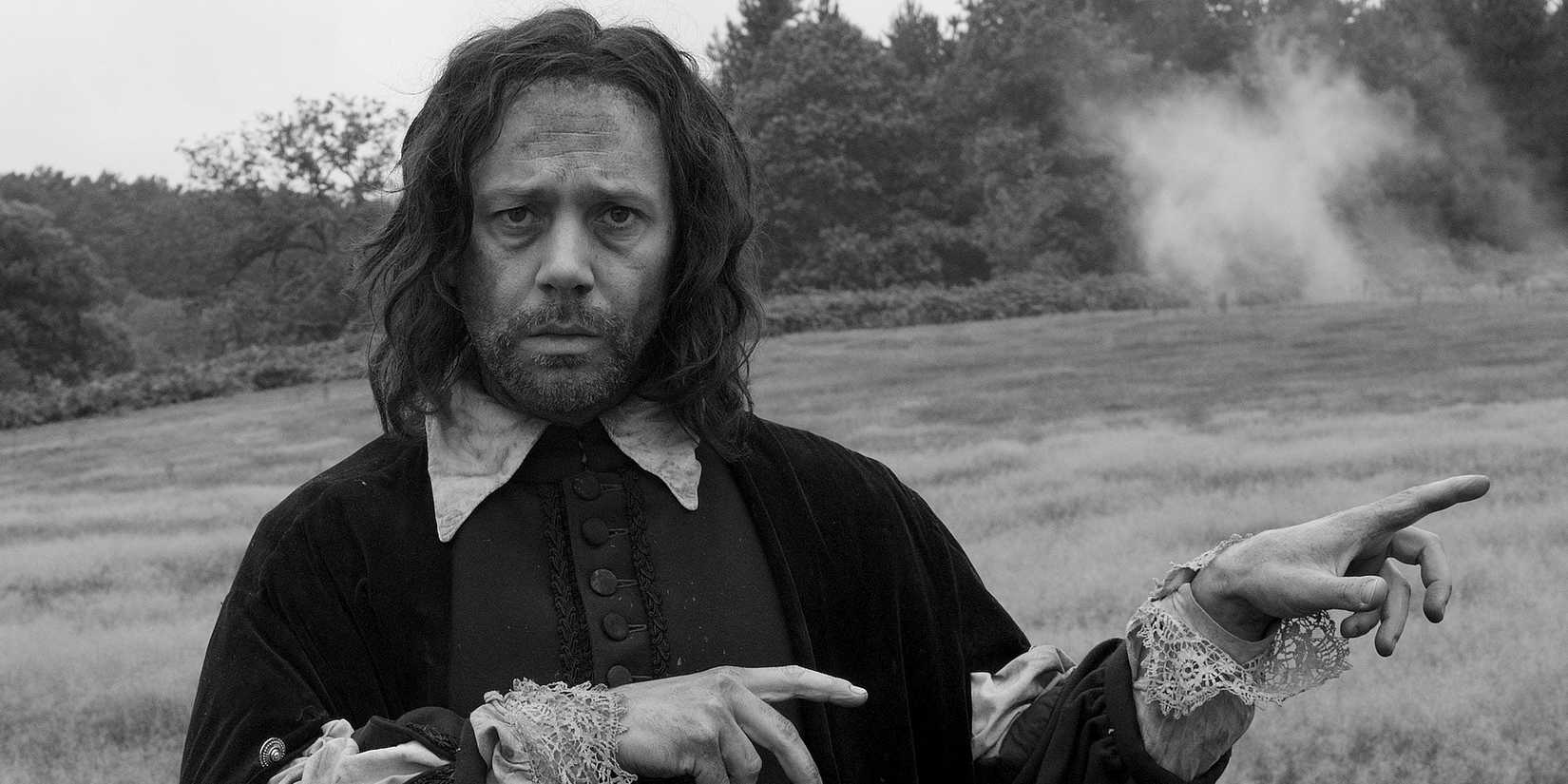
Ben Wheatley's A Field in England takes place during the English Civil War and follows a group of deserters who encounter an alchemist in a remote field. The historical drama gradually evolves into an avant-garde folk horror nightmare, complete with mushroom-induced hallucinations and a deadly occultist. There’s really nothing else quite like A Field in England.
Shot in striking black and white, it deploys experimental screen mirroring, distorted visuals, and bizarre tableau vivants. Wheatley repeatedly interrupts the narrative with images of characters holding a still pose, recalling the style of medieval paintings. While challenging compared to more conventional horror films, A Field in England rewards viewers willing to engage with its strange atmosphere. Few modern British movies embrace such creative risks while remaining deeply rooted in English history and folklore.
The Wicker Man (1973)

Robin Hardy's The Wicker Man follows police sergeant Neil Howie as he travels to the remote Scottish island of Summerisle to investigate a missing girl. His search uncovers a pagan community whose beliefs conflict dramatically with his own Christian worldview. While few horror endings are as famous or effective as The Wicker Man’s, the film's reputation rests on far more than its conclusion.
Christopher Lee considered Lord Summerisle one of his best performances, and the use of folk music, rituals, and rural landscapes helped define the folk-horror subgenre. Every scene builds toward an inevitable clash of ideologies, making it an even more compelling watch for those who know where it’s heading. The Wicker Man is one of the most influential British horror films ever made, as well as a key inspiration for countless folk-horror stories that followed.
Don't Look Now (1973)
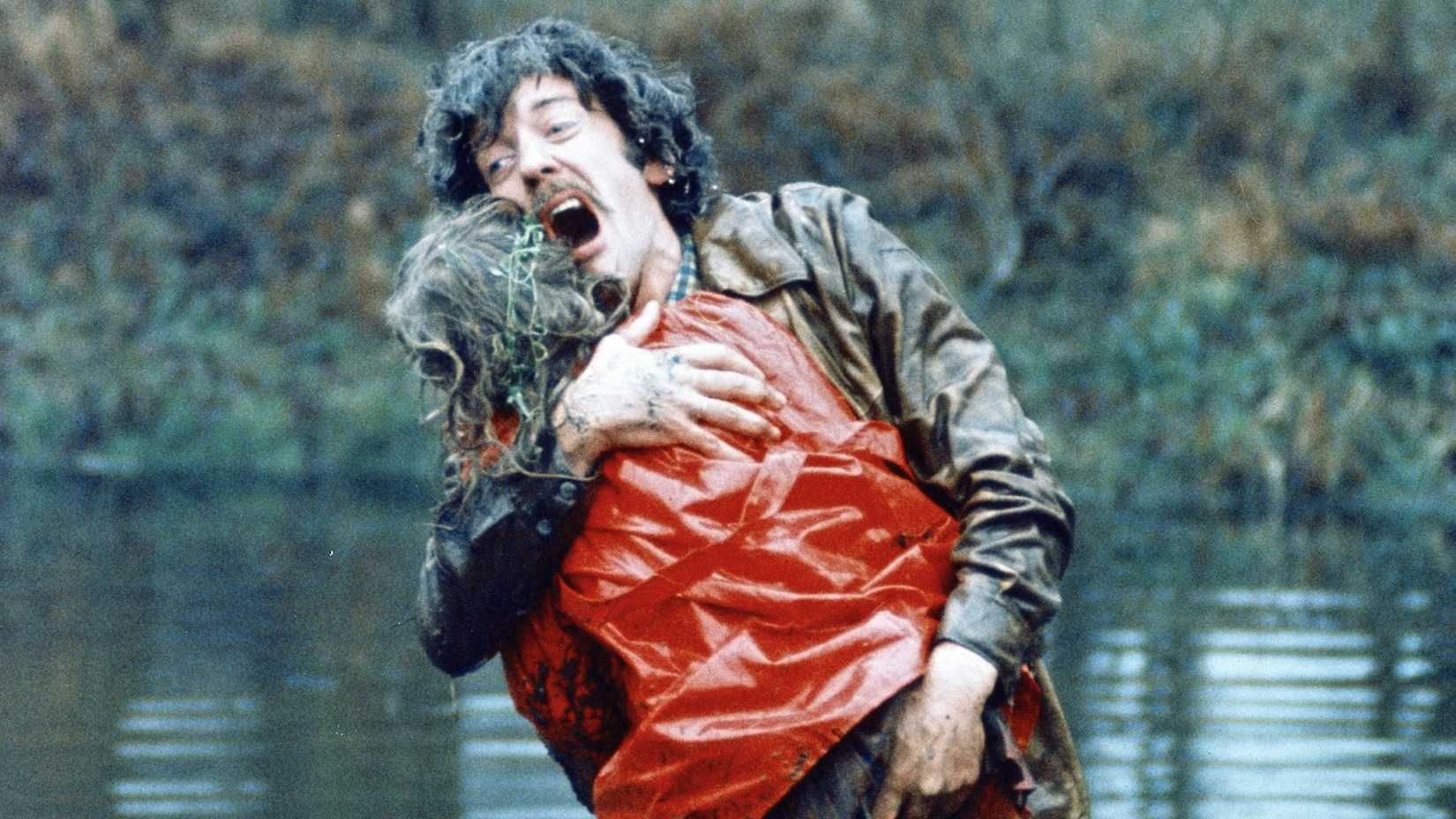
Don't Look Now stars Donald Sutherland and Julie Christie as grieving parents living in Venice after the death of their daughter. Strange visions and warnings from psychics lead them toward a tragedy they cannot fully understand. Roeg's fragmented editing style constantly connects past, present, and future, creating a sickly feeling of dread that grows throughout the narrative.
Venice itself becomes a maze of shadows, canals, and hidden dangers. While often remembered for its shocking ending, Don’t Look Now is equally effective as a study of grief and emotional devastation. Many psychological horror films owe a debt to its innovative approach to suspense and symbolism.
28 Days Later (2002)

Danny Boyle reinvented the zombie genre with 28 Days Later. The story begins when bicycle courier Jim awakens from a coma to find Britain devastated by the Rage Virus, which transforms victims into fast-moving zombie-like killers. The chilling opening sequence through an abandoned London remains one of the most haunting images in modern horror.
28 Days Later transformed the direction of zombie cinema forever. Unlike the slow-moving undead flesh-eaters that dominated the genre for decades, Boyle's infected were terrifyingly fast and relentlessly aggressive. It combines survival horror with social commentary and striking digital video cinematography. 28 Days Later helped repopularize the zombie survival genre while also changing it forever.
Hellraiser (1987)
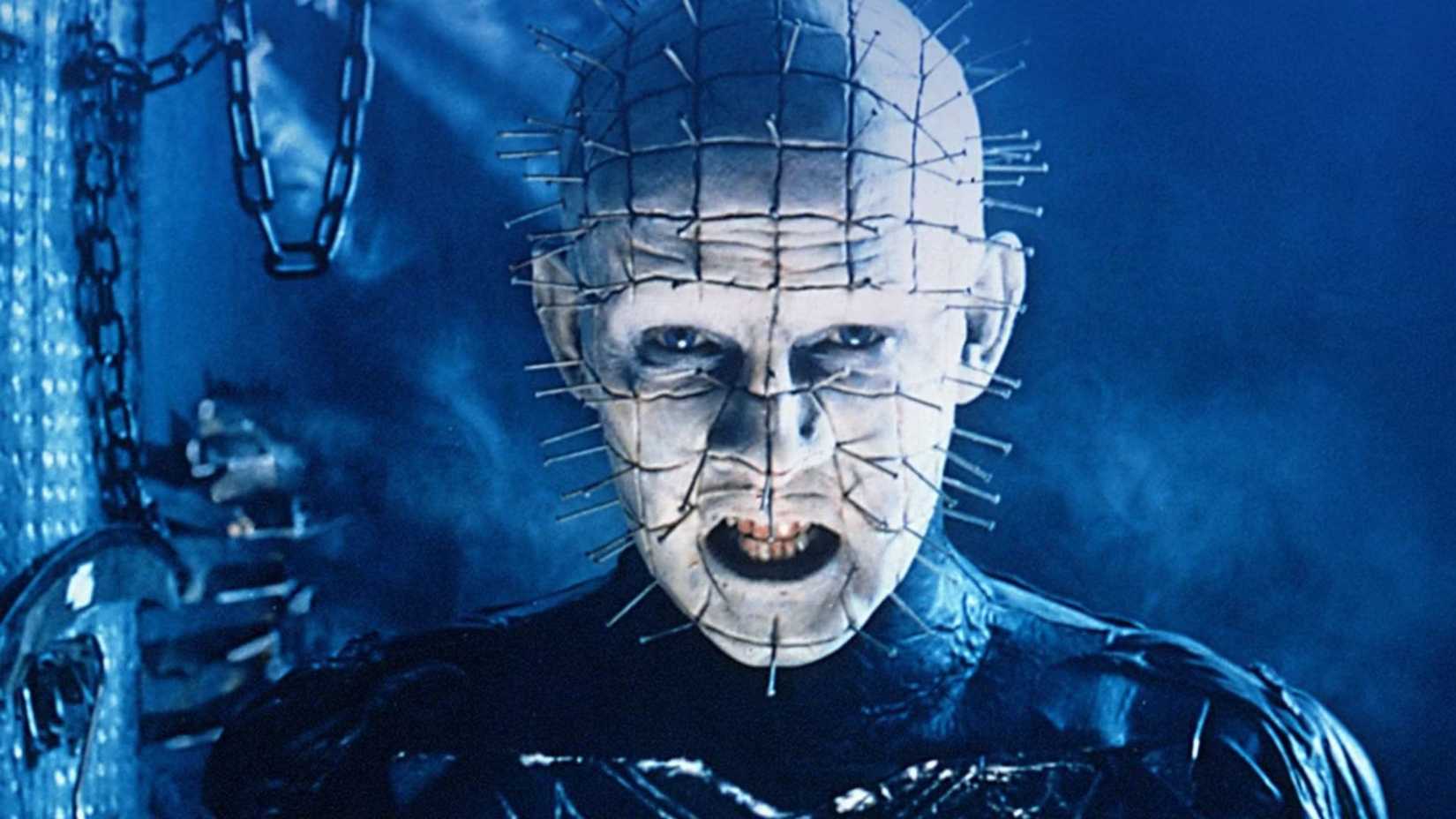
Based on Clive Barker's novella The Hellbound Heart, Hellraiser introduced audiences to Pinhead and the Cenobites. It is most famous for the puzzle box that opens a gateway to beings who blur the line between pain and pleasure. However, the thrust of the narrative actually follows a gripping family drama concerning a stepmother and her murderous undead lover.
Unlike many slasher franchises of the era, Hellraiser focuses on obsession, desire, and body horror rather than a masked killer stalking teenagers. Barker's imagination produced imagery unlike anything audiences had previously seen, from the grotesque resurrection of Frank Cotton to the unsettling design of the Cenobites. Hellraiser is one of horror's most original mythologies and one of the most distinctive British contributions to the genre.
KioskNews shows a cleaned-up reading view extracted from the publisher’s page — the original always lives on their site, not ours.