TSMC confirms talks with Elon Musk over Texas ‘Terafab’ but insists on operational control
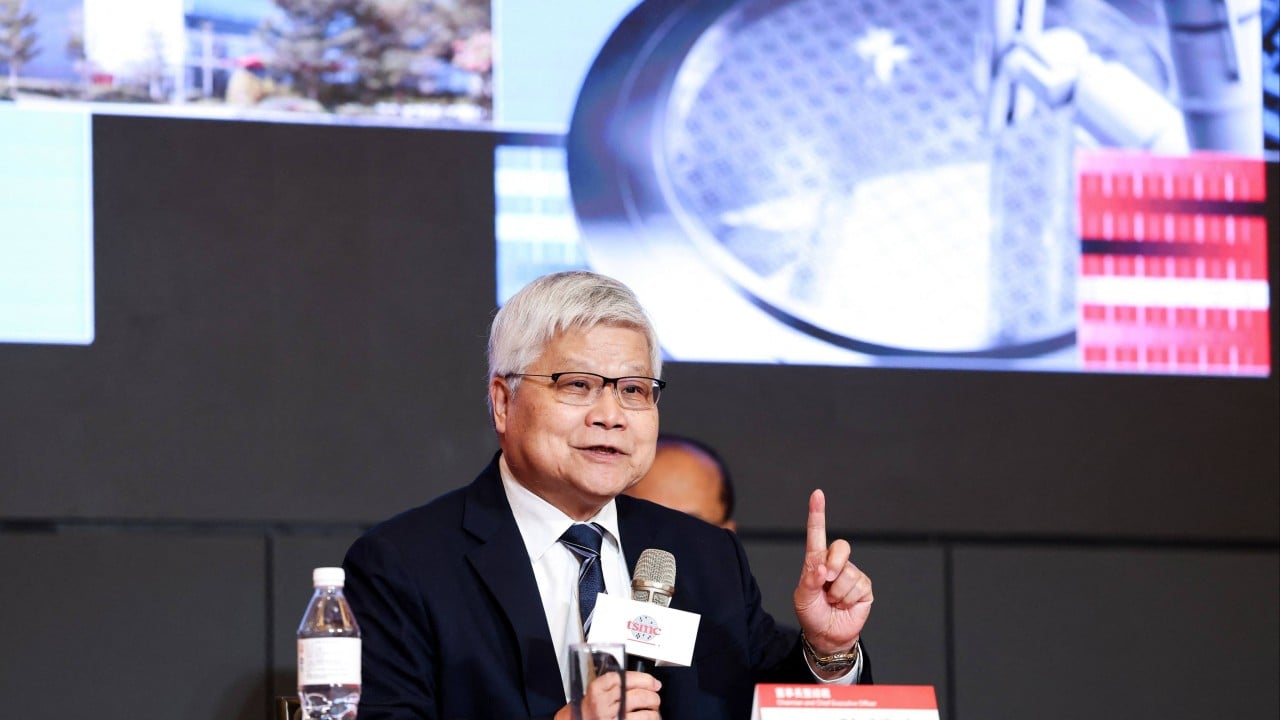
Taiwan Semiconductor Manufacturing Co (TSMC) is in discussions regarding a potential role in Elon Musk’s proposed Terafab project in Texas, according to company chairman and CEO C.C. Wei, although he stressed that TSMC would retain operational control of any partner factory.
The plant “has got to be run by TSMC”, Wei said during the third-quarter earnings call on Thursday.
TSMC, the world’s largest contract chipmaker, has sent teams to Texas to assess expansion opportunities beyond its US hub in Arizona, Wei said. He noted that the company was discussing with a potential Terafab customer whether it would use manufacturing capacity at the Texas complex, amid surging demand from major US customers who are urging the Taiwan-based to expand its US footprint.
However, discussions had yielded no firm conclusion so far, Wei said. The ownership structure and scope of TSMC’s potential involvement remained unclear.
The Terafab project is designed to manufacture high-performance chips to power Musk’s expanding ecosystem in artificial intelligence and robotics.
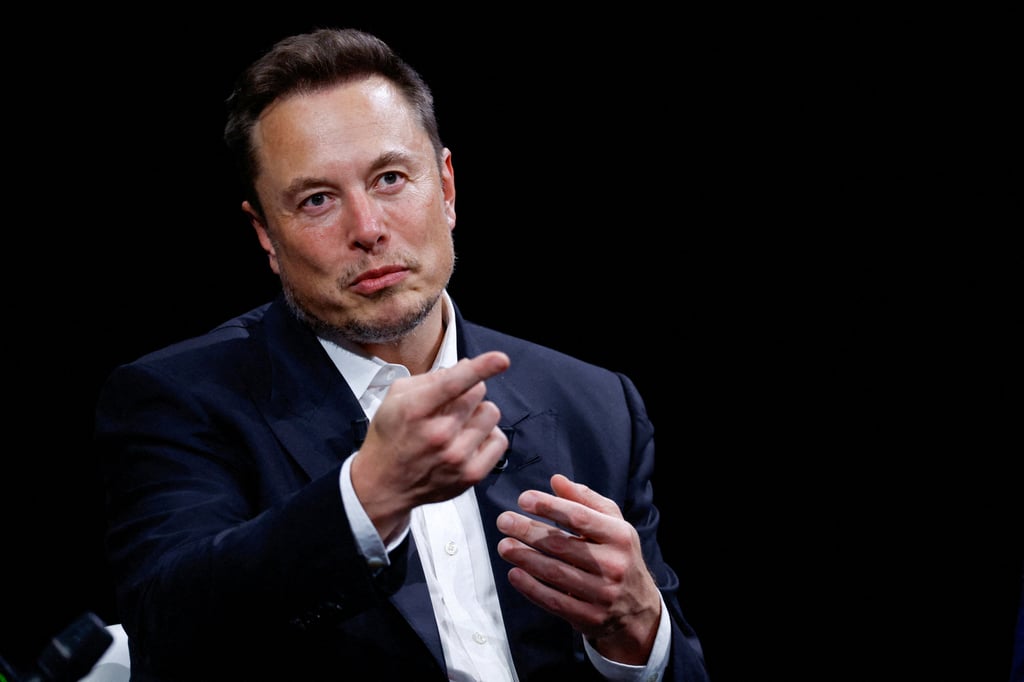
Musk acknowledged the initial talks in an October 3 post on X, writing: “Just discussions, but something may come of it”. On October 7, Musk said Tesla and SpaceX intended to “build and run” the Terafab complex themselves, while leaving the door open for TSMC to sublease a portion of the site.
The negotiations underscore TSMC’s broader push to expand production and satisfy insatiable demand for advanced AI semiconductors from key clients like Nvidia.
In July, TSMC pledged an additional US$100 billion to expand its Arizona operations, bringing its total planned investment there to US$265 billion. The spending will support more lines for chips at 2 nanometres and below, as well as advanced packaging facilities.
North American customers accounted for 79 per cent of TSMC’s third-quarter revenue, up from 76 per cent a year earlier. The share contributed by customers in mainland China fell to 5 per cent from 8 per cent.
TSMC reported a record quarterly net profit of NT$763.1 billion (US$23.9 billion), up 68.7 per cent from a year earlier, while revenue rose 50.9 per cent to NT$1.49 trillion, or US$46.72 billion.
High-performance computing, which includes AI chips and data centre processors, accounted for 68 per cent of revenue, compared with 57 per cent a year earlier.
“We did not see any sign of slowdown,” Wei said of AI demand, adding that customer requirements continued to exceed TSMC’s ability to supply chips.
The company forecast fourth-quarter revenue of US$52.3 billion to US$54.3 billion, implying growth of about 14 per cent from the third-quarter midpoint.
Chief financial officer Wendell Huang said on the call that capital spending from 2026 to 2028 would be significantly higher than in the preceding three years, though he declined to provide specific annual figures beyond this year.
TSMC maintained its capital spending forecast for this year at US$60 billion to US$64 billion.
KioskNews shows a cleaned-up reading view extracted from the publisher’s page — the original always lives on their site, not ours.