Ring's smart lock has a hand crank so it works even if the power's out
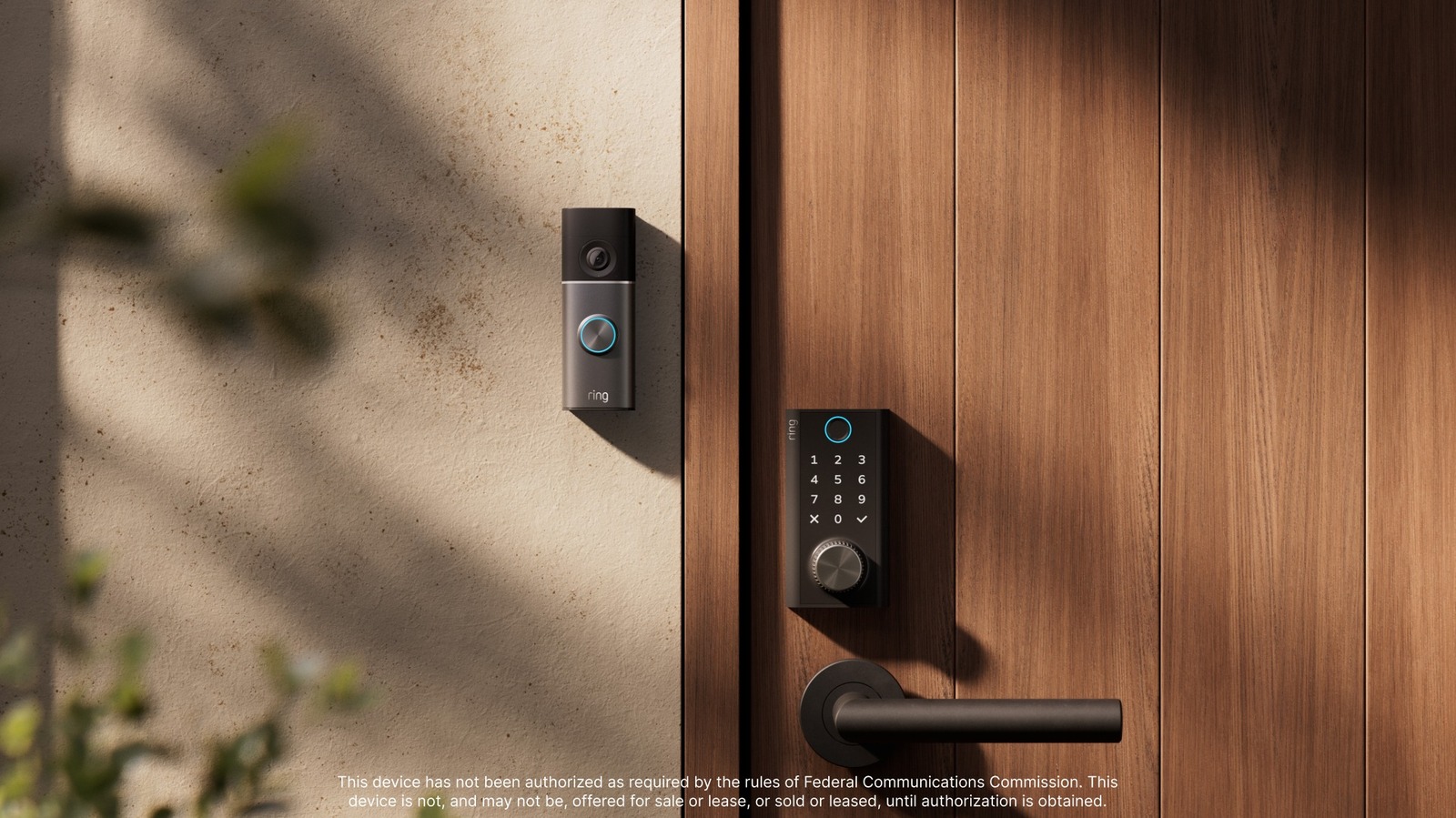
You can generate power by twisting the front latch back and forth.
Ring
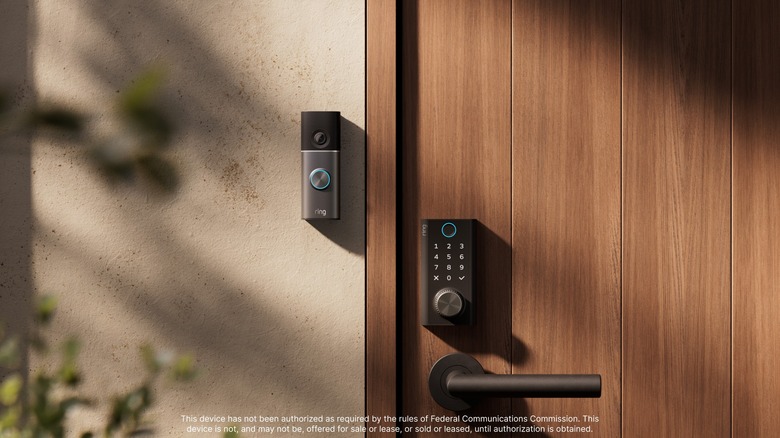
Ring founder Jamie Siminoff thinks smart locks aren't popular because users are worried about what happens when they run out of power. Say what you like about keys, but you don't need to recharge them once every few months, and they have worked without power for millennia. That issue is what drove him to develop the Ring Smart Lock, which solves the no-power issue with a hand crank. On the front of the unit, there's a wheel for the latch that, if you turn it back and forth three or four times, generates enough power to run the lock for 30 seconds.
Tucked inside the hardware is a small motor and a supercapacitor that, after a few strong turns of the wheel, will generate around three volts. That gives the unit enough power to run fully, rather than in any sort of compromise low-power mode, for about half a minute. That should be long enough to use the fingerprint reader, keypad, access the Ring app or ask Alexa. After all, as a Ring product, it integrates seamlessly with the rest of Amazon's smart home ecosystem.
This focus on the worst-case scenario, as Siminoff explained, is meant to address would-be buyers' fears about losing access to their home. But he sees plenty of other arenas where this sort of technology would work well, such as buildings you don't access regularly. If you can generate power on the fly to run the lock, it'll work equally well for cabins in remote locations. But this should be a once-in-a-blue-moon instance, since the lock's built-in battery should last a full year on a single charge. You may never need to use the crank at all, but it may offer you some degree of peace of mind.
The company isn't set on a launch date beyond the first few months of 2027, but Siminoff hopes to release the product closer to January than March and you can register your interest now. Ring says the lock will launch for $249. We also know it'll be available in three finishes: Black, Silver and Brass, and the company promises it uses a single-cylinder deadbolt and needs no additional wiring.
Updated cameras
Ring
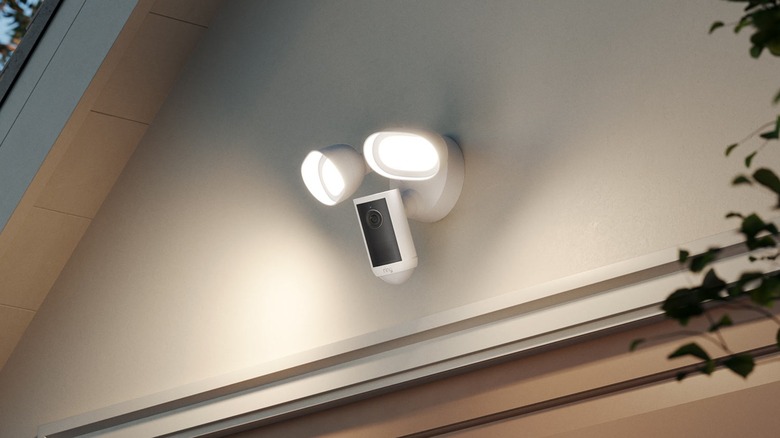
At the same time as rolling out the new lock, Ring is also busting out a whole suite of updates for its cameras, too. After launching its first range of Retinal 4K cameras this time last year, it's now launching four more, including the Outdoor Cam 4K Plus, Spotlight Cam 4K Plus, Floodlight Cam 4K Plus and Indoor Cam 4K. As the name implies, each one offers Retinal 4K, with the usual features attached depending on where in your home you're installing them. It's also wheeling out a new Pan-Tilt Indoor Cam 2K, where the powered base will turn a full 360 degrees and tilt 175 degrees, and will intelligently follow motion when it detects it inside your home. All are available for pre-order today, with pricing varying by your chosen spec and region.
KioskNews shows a cleaned-up reading view extracted from the publisher’s page — the original always lives on their site, not ours.