Esther Rantzen says she is ‘too fragile’ to travel to Dignitas to end her life

Dame Esther Rantzen has said she is ‘too physically fragile’ to travel to Switzerland to end her life at an assisted dying clinic.
Dame Esther, who is terminally ill with cancer, first revealed she had joined Dignitas in December 2023.
But despite having “spent the money and made the plans” to go to there, she was now at the point where she is “too physically fragile to make the journey”.
Dame Esther also shared the anguish at loved ones seeing her “suffering pain or indignity”, and issued a plea to MPs to vote in favour of legalising assisted dying for England and Wales when proposed legislation returns to Parliament on Friday.
The Childline founder, former broadcaster and prominent campaigner for the legalisation of assisted dying insisted the law must “change and change quickly”, as she renewed her plea ahead of the latest debate and vote on the Terminally Ill Adults (End of Life) Bill.
MPs will vote on what is known as Second Reading of the Bill, and if it passes it will continue its journey through Parliament for further consideration by MPs and peers in the House of Lords.
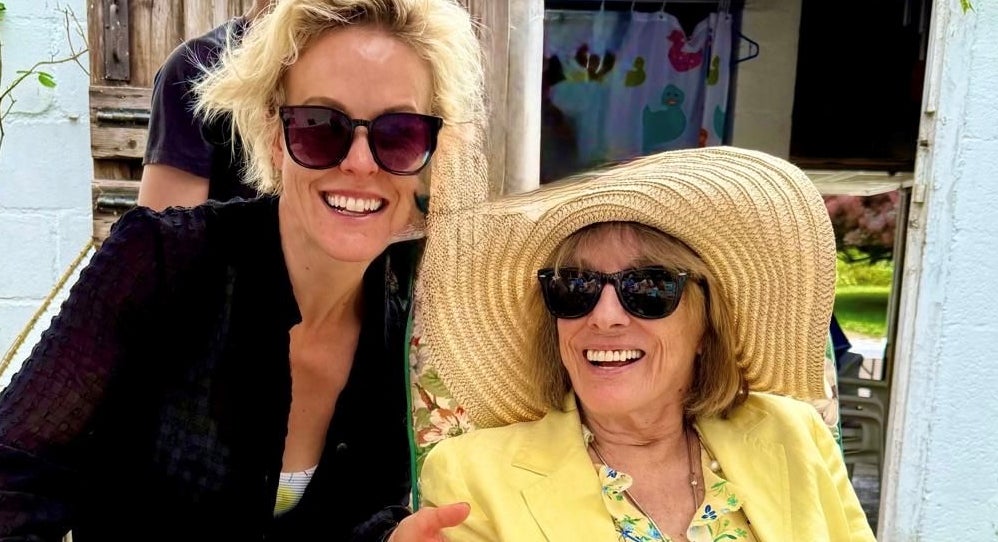
It must pass both Houses to become law although supporters have suggested the Parliament Act – a rarely used piece of legislation which allows for Bills that have been backed by the Commons in two successive sessions but rejected by peers to pass into law without Lords approval – could be used to get the Bill through.
While the Bill passed two votes in the Commons in 2024 and 2025, it ran out of time in the Lords in April and has been reintroduced by Labour MP Lauren Edwards where it must begin the parliamentary process again.
Dame Esther said: “Everything I didn’t want to happen I’m having to go through now, which means that the people I love and care about either cannot visit me, or when they do, see me suffering pain or indignity which will inevitably get between them and our shared happy memories, and may even overwhelm the way they think of me.
“Obviously, I would prefer that my end could be swift and painless and I could ask for help now I’m dying. But I can’t. I knew it would be like this if I died in this country because the current criminal law preventing anyone to help me shorten my death is messy and cruel.”
Assisted suicide is banned in England, Wales and Northern Ireland, with a maximum prison sentence of 14 years and while it is a specific criminal offence in Scotland, assisting the death of someone can leave a person open to being charged with murder or other offences.
Dame Esther said she would have had to travel to Dignitas alone, and before she became too ill.
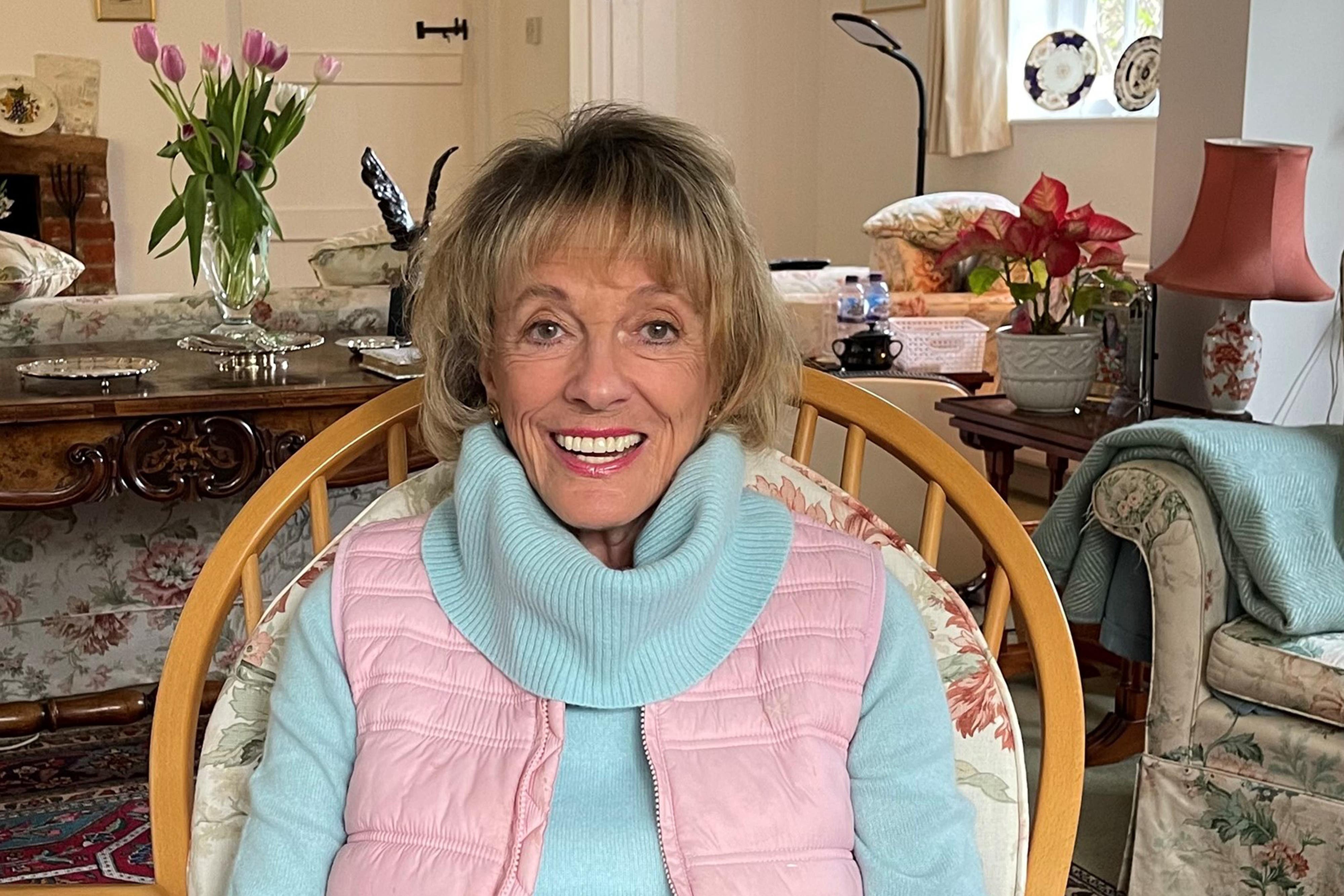
She added: “Why did I not buzz off to Zurich as I had planned when my life became unbearable? Unfortunately, when I was strong enough to make the flight and go to Dignitas, my life was not unbearably painful, indeed I was able to relax in my beloved cottage in the New Forest.
“And by the time life did become unbearable I was too physically fragile to make the journey and go through the Dignitas process.
“So even though I had spent the money and made the plans I was not ready to end my life back then, and did not realise that would be my last chance. ”
She said her experience shows “why it’s so important that future generations will have the choice that is denied to me and other adults”.
The proposed legislation would make assisted dying available to adults in England and Wales with a terminal diagnosis of less than six months to live.
Dame Esther said she is not trying to “impose my choice on anyone else, but I believe they should have no right to impose their choice on me”.
While campaigners in favour of a change in the law say the Bill would offer choice to dying adults, those against argue it could pose a danger to the most vulnerable in society through coercion or feeling like a burden, and insist there are not enough safeguards in place.
Anna Landre, a wheelchair-using activist, disability policy researcher at UCL and spokesperson for the Assist Us To Live coalition, said: “We must give disabled Brits the tools to live before creating a government programme to enable us to die.
“This means fully funding palliative and social care, so people like me don’t have to fight for the basics like the ability to dress, wash, and leave our homes.”
KioskNews shows a cleaned-up reading view extracted from the publisher’s page — the original always lives on their site, not ours.