Nobel Medicine Prize awarded to US-German trio for work on optogenetics
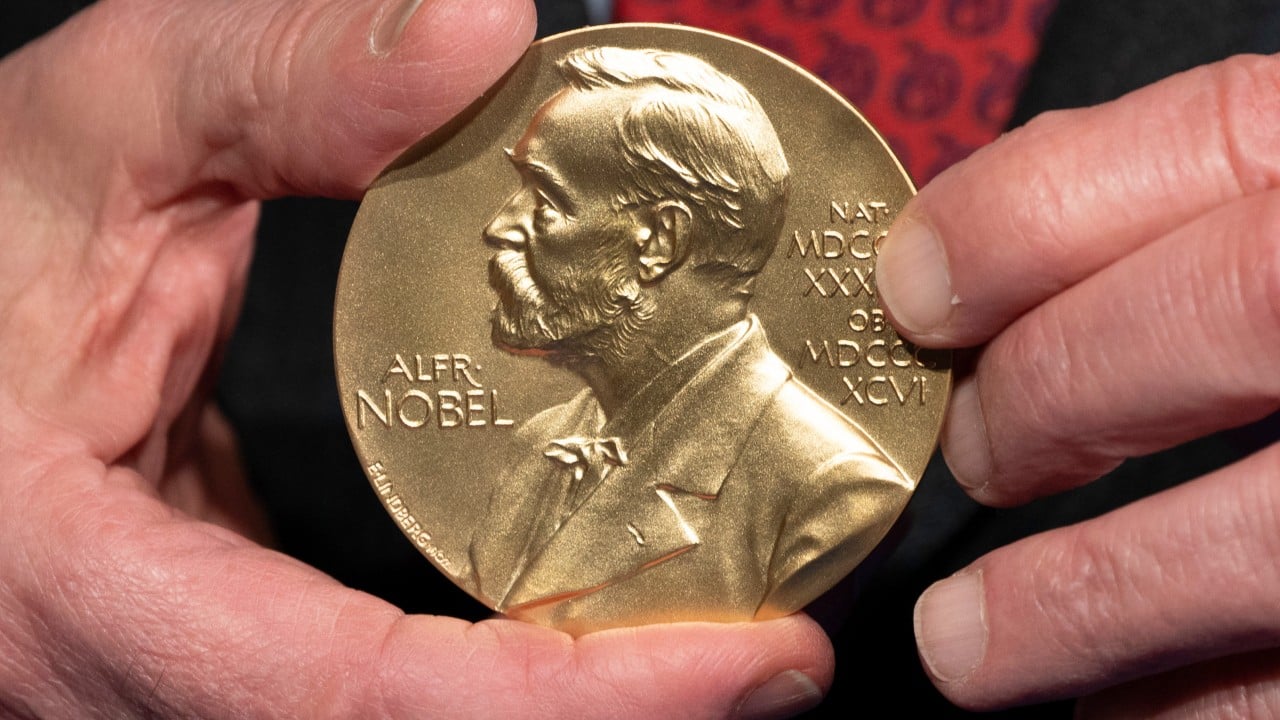
The 2026 Nobel Prize season opened on Monday with the Medicine Prize being awarded to Karl Deisseroth, Peter Hegemann and Georg Nagel for their research into light-gated ion channels and optogenetics.
The prize was announced at the Karolinska Institute in Stockholm, kicking off Nobels week.
Their work was lauded by the committee “for discoveries leading to optogenetics, which makes it possible to switch on, or off, the activity of individual nerve cells in a living brain.”
“This method is now being used in laboratories around the world to reveal the brain’s mysteries,” the committee wrote on social media.
This week will also see the announcement of the Nobel Prizes in Physics, Chemistry, Literature and Peace, with the Sveriges Riksbank Prize in Economic Sciences to follow the Monday after.
The prizes are each worth 12 million Swedish kronor (around US$1.2 million). They will be presented to the winners on the anniversary of the death of prize founder Alfred Nobel, December 10, with the Peace Prize awarded in Oslo and the remaining prizes in Stockholm.
Last year, American scientists Mary Brunkow, Fred Ramsdell and Shimon Sakaguchi from Japan shared the Nobel Prize in Physiology or Medicine for their research into the immune system.
KioskNews shows a cleaned-up reading view extracted from the publisher’s page — the original always lives on their site, not ours.