Cedi depreciation hits 9.5% as renewed FX pressure weighs on currency
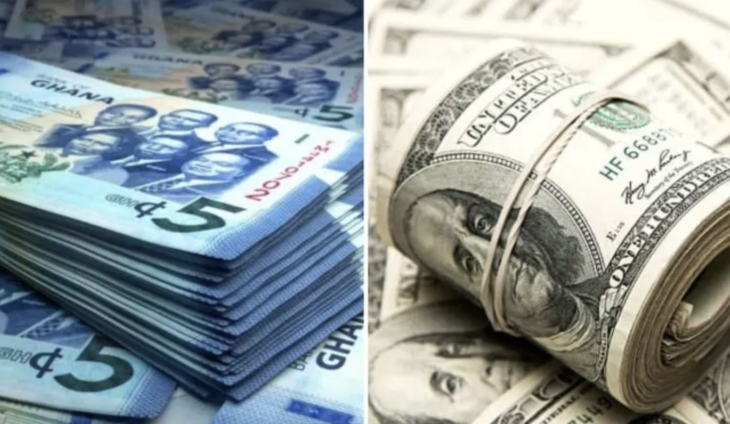
The Ghana cedi’s depreciation against the US dollar has widened to 9.5% in the first nine months of 2026, marking a sharp reversal from the currency’s strong performance a year earlier.
The latest Bank of Ghana data show the cedi trading at about GH¢11.55 to the US dollar in September, compared with GH¢10.45 at the end of December 2025.
The currency has also weakened against the pound and euro, recording year-to-date depreciations of 9.0% and 7.3% respectively.
The latest movement follows a period of relative improvement in August, when the cedi’s year-to-date depreciation against the dollar narrowed to about 7.1%.
The currency had strengthened to around GH¢10.95 to the dollar earlier in August before renewed pressure pushed it higher.
The depreciation represents a reversal of the cedi’s performance in 2025, when it recorded substantial gains against the dollar. Bank of Ghana data show the currency ended 2025 at GH¢10.45 to the US dollar, compared with GH¢15.30 at the beginning of the year.
The World Bank has identified increased foreign-exchange demand from the energy sector and dividend payments by some private corporations among factors contributing to pressure on the cedi.
At the same time, Ghana has continued to benefit from strong export earnings and improved external balances, indicating that foreign-exchange supply alone has not eliminated pressures arising from demand.
The Bank of Ghana has described recent exchange-rate movements within the context of a flexible, market-determined exchange-rate regime.
The central bank introduced a new Foreign Exchange Operations Framework in September to clarify the objectives and principles guiding its interventions while maintaining its inflation-targeting mandate.
The renewed weakness of the cedi comes as the Bank continues to manage competing pressures in the foreign-exchange market, including demand from businesses and other market participants.
The September data therefore point to a more challenging currency environment after the gains recorded in 2025, even as Ghana’s broader macroeconomic indicators continue to show signs of stabilisation.
DISCLAIMER: The Views, Comments, Opinions, Contributions and Statements made by Readers and Contributors on this platform do not necessarily represent the views or policy of Multimedia Group Limited.
Tags:
DISCLAIMER: The Views, Comments, Opinions, Contributions and Statements made by Readers and Contributors on this platform do not necessarily represent the views or policy of Multimedia Group Limited.
KioskNews shows a cleaned-up reading view extracted from the publisher’s page — the original always lives on their site, not ours.