The best bread makers in the UK for easy homemade loaves – tested
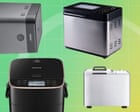
As a bread-loving lazy person, easy access to plump, airy loaves is always appreciated. And while buying it from a shop might be considered the laziest way to acquire it, I think making it at home can be just as convenient, especially with a decent bread maker to do all the hard bits for you.
Bread machines mix, knead, prove and bake your loaf at the touch of a button and most, including the ones I’ve tested here, produce loaves that are above and beyond your standard sandwich bread.
This is a real treat if, like me, you enjoy letting your imagination run wild with all the different loaves you can make. Sweet chocolate-chip breads, Italian pesto loaves, super-seeded high-fibre slices for your lunchtime toasties – the possibilities are almost endless. Making bread from scratch also means you can cater to dietary preferences – and most of the models here make an outstanding gluten-free loaf.
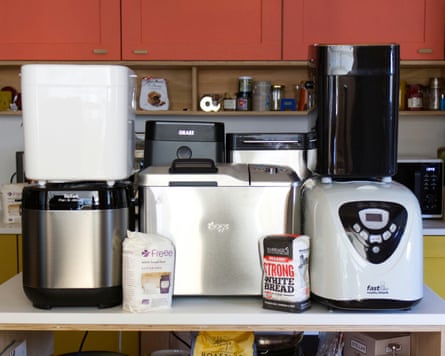
To find the best bread makers, I put nine machines through their paces – munching my way through an unimaginable amount of white, wholemeal, gluten-free and olive loaves in the process. These are the models that proved to be worth their salt, and more importantly, worth your money.
At a glance
Best bread maker overall
£199.99 at Amazon
Panasonic SD-PMC100NXC mini bread and ice-cream makerBest budget bread maker
£69 at Amazon
Morphy Richards FastbakeEasiest bread maker to use
£109.99 at Lakeland
Lakeland Deluxe bread makerBest for gluten-free bread
£229.95 at John Lewis
Sage The Custom LoafBest bread maker for variety
£284.95 at Harts of Stur
Graef Bread maker
Why you should trust me
Having spent almost 10 years testing and writing about kitchen appliances and cooking gadgets, I’ve built a wealth of knowledge on just about every cooking tool out there. From emerging trends to tried-and-true chef favourites, I’ve seen it all.
All of this experience means I can spot a worthwhile product a mile away, but also know when something might not quite hit the mark. I’m also dough-obsessed, making pizza and bread from scratch most weeks, which makes the pursuit of finding the perfect bread machine all that bit easier.
How I tested
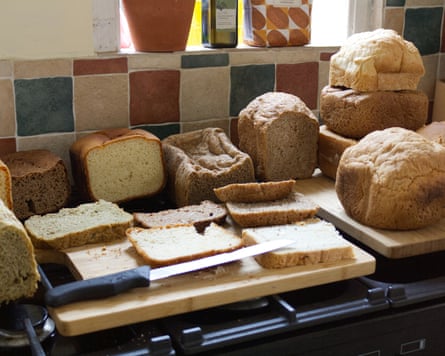
When it comes to bread, consistency is key. A good bread maker should be as adept at making a basic white loaf as a crusty wholemeal or gluten-free variant. This is why I made and taste-tested multiple such loaves (36 in total) across nine bread makers, using the same recipes each time.
For machines with a mix-in function, I also made an additional olive loaf to assess the reliability of the mechanism that drops ingredients into the loaf. Testing the various flours gave me a good indication of how well each bread maker is suited to specific tasks, as well as how well they perform in general.
Most bread makers allow you to use any recipe, as long as the weight is correct for the bread pan you’re using. As they’re automated, they are, however, a little more slapdash with the mixing, so if you’re used to making your favourite loaf by hand, you might find a little trial and error is involved to get it right in a bread machine.
I also measured the energy consumption of each bread maker using a power meter, noting the result in the specs below. Functionality and how easy each machine was to use and clean were also factored into my testing and reviews.
All the bread makers sourced for this article will be sent back to their manufacturers after testing.
The best bread makers in 2026
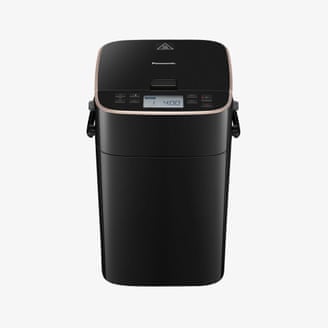
Best bread maker overall:
Panasonic SD-PMC100NXC mini bread and ice-cream maker
Panasonic
SD-PMC100NXC mini bread and ice-cream maker
from £199.99
What we love
Fantastic all-round performance, including gluten-free
What we don’t love
Compact design means only one loaf size
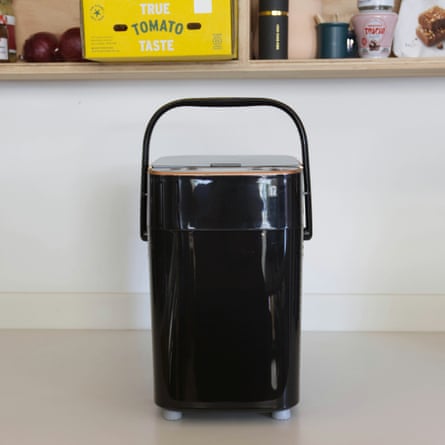
As well as being the best all-round performer in my tests, the Panasonic is a great choice for anyone looking for a compact machine that doesn’t take up too much worktop or cupboard space.
Why we love it
The mini bread maker offered some of the most consistent and impressive results in my tests, alongside Sage’s the Custom Loaf. The shape, crumb and crust on every loaf I made were consistent, while white bread was soft but easy to cut and wholemeal was moist with a slight denseness.
This bread maker even does a great job of producing a small gluten-free loaf with a lovely crust and texture that toasts well. There was a little uncooked mixture on the outside of the bread after baking, but this could be scraped off. It’s also worth noting that this happened with every gluten-free test due to the paddle struggling with the extra-wet dough. After baking, I was pleased that the ungreased stirring paddle released cleanly from every loaf. Cleaning is easy too – a quick soak in warm water helps loosen any baked-on crumbs around the paddle.
This machine can only make one loaf size, with a maximum weight of 500g, compared with the choice of at least two sizes you get with some other bread makers on this list. However, the loaves it produces are plenty big enough for two people to enjoy over a few days. Homemade bread is also best eaten fresh, due to the absence of preservatives or stabilisers, meaning the loaves are the ideal size if you’re making a new one every couple of days.
There’s an automatic ingredient and yeast dispenser at the top of the machine, and it has 34 settings – I particularly like the functionality for making panettone and pasta dough. A few recipes are included in the manual, but Panasonic also has a dedicated app with about 50 additional recipes.
Interestingly, this bread maker also doubles as an ice-cream maker and comes with a small, freezable bowl that churns up to 400ml of ice-cream.
It’s a shame that … it offers only one loaf size.
Dimensions: 24.1 x 30.4 x 34.7cm (WDH)
Loaf sizes: 400-500g
Average slice height: 15cm
Time for a white loaf: 4hrs
Energy cost per loaf:
4p (0.167kWh)
Spare parts and repairs:
spares available from the Panasonic accessories store, and repairs available via the support site
Warranty: up to two years (depending on retailer)
Panasonic
SD-PMC100NXC mini bread and ice-cream maker
from £199.99
What we love
Fantastic all-round performance, including gluten-free
What we don’t love
Compact design means only one loaf size
Best budget bread maker:
Morphy Richards Fastbake
Morphy Richards
Fastbake
from £69
What we love
Easy bread in under three hours, or one hour with Fastbake
What we don’t love
Can’t make a good gluten-free loaf
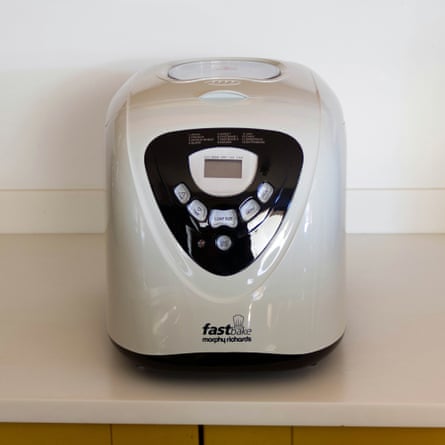
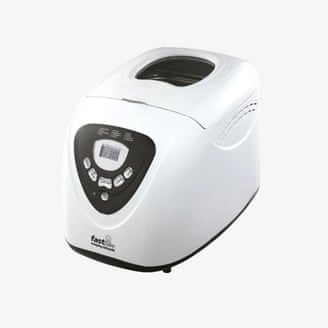
The Morphy Richards Fastbake might be more than a decade old, but it’s still a good budget machine with a useful quick-bake setting for easy, simple sandwich bread. Just don’t expect miracles at this price.
Why we love it
Simplicity is the name of the game here. There are no unusual settings for breads you’ve never heard of and no fancy extras; it simply makes bread (and, like most bread makers, dough, cake and jam). Initially, I wasn’t won over by the Fastbake as it felt lightweight and a little cheap, but then, this is a budget bread maker, and performance is what really counts.
The Fastbake really proved itself (no pun intended) when making classic white loaves and 50/50 bread. The crumb was nice and airy, while the crust was perfectly done on the medium setting. It also produced a nice 100% wholemeal loaf, but I felt that other machines, such as Sage’s the Custom Loaf, performed better. I also tested the Fastbake programme on this machine, which mixes, proves and cooks a loaf in under an hour. The bread produced definitely isn’t as light and fluffy as the regular white loaf, but it does the job if you’re short on time. It’s worth noting that the standard white bread setting is a speedy 3hrs.
It’s a budget model, so I wasn’t surprised about the lack of an add-in ingredient or yeast dispenser for seeded breads or more niche recipes, but it’s important to note that it also doesn’t have a dedicated gluten-free setting. Morphy Richards suggests using the basic loaf programme for this, which gave fairly average results in testing, so it’s not ideal for gluten-free bakers. The paddle does tend to stick in the bread with this one as well, but if you let it cool, you can then pull it out fairly cleanly.
Generally, it’s easy to use and features old-school buttons and a basic screen. I found this quite intuitive to use compared with some others I tested. Cleaning isn’t too bad either. Like all the bread maker pans, I gave this one a quick soak in warm water and found that it lifted any stuck dough or crust.
It’s a shame that … it can’t make a good gluten-free loaf.
Dimensions: 40.5 x 28.5 x 30.5cm (WDH)
Loaf sizes: 1.5lb (680g), 2lb (907g); 1lb (454g) possible for some recipes using the 1.5lb setting
Average slice height: 17cm
Time for a white loaf: 3hrs
Energy cost per loaf: 6p (0.211kWh)
Spare parts and repairs: spare parts available from Morphy Richards website, repairs available via support
Warranty: three years, with registration
Morphy Richards
Fastbake
from £69
What we love
Easy bread in under three hours, or one hour with Fastbake
What we don’t love
Can’t make a good gluten-free loaf
Easiest bread maker to use:
Lakeland Deluxe bread maker
Lakeland
Deluxe bread maker
from £109.99
What we love
It’s easy to use and produces good loaves
What we don’t love
The touchscreen is quite sensitive
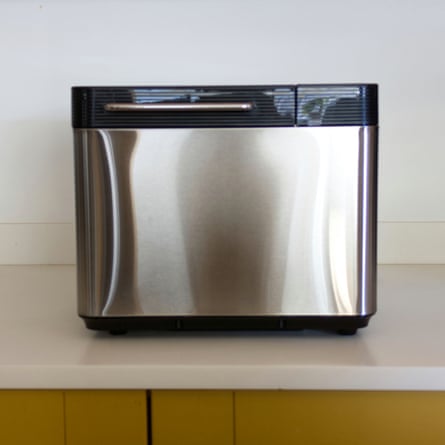
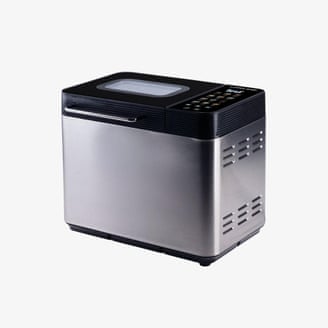
In my time reviewing bread makers, I’ve found the interfaces are not always the most intuitive. Thankfully, the Lakeland Deluxe bread maker is easy to use, and it makes a great loaf.
Why we love it
There’s a lot to like here: it’s affordable, performance is good, and unusually, it has a colour touchscreen with pictures of each of the 12 preset baking programmes. That makes it easy to navigate without having to pore over pages of instructions.
This machine makes a cracking white sandwich loaf that’s light, airy and evenly baked. Wholemeal was even better, with a rich, slightly denser crumb that still had plenty of bounce. The gluten-free loaf was also good, with a nice rise and airy crumb.
The bread mixture was well kneaded and, as with other machines, I only experienced a little unmixed flour with the gluten-free loaf – though this didn’t spoil the bread and could be easily wiped off once the loaf had cooled. The paddle also stays in the pan after cooking and doesn’t leave too much of a gap in the bottom of the loaf.
There’s no ingredient dispenser, but I found it easy to open the machine and add things as it was kneading, so it’s possible to include olives, nuts or chocolate chips, for example, in recipes. The Lakeland Deluxe comes with a measuring pot and spoon, as well as the bread pan and paddle. All these parts are dishwasher-safe, but I’d recommend hand-washing the pan, as baked-on crumbs can sometimes stick to the paddle attachment and these don’t come off in the dishwasher.
It’s a shame that … it’s a tad noisy, and the touchscreen is sensitive, so you need to take care not to accidentally turn it off.
Dimensions: 36 x 22.5 x 33.5cm (WDH)
Loaf sizes: 500g, 750g, 900g
Average slice height: 16cm
Time for a white loaf: 2hrs 53mins
Energy cost per loaf: 8p (0.299kWh)
Spare parts and repairs: spares available via the Lakeland website
Warranty:
three years (if bought from Lakeland)
Lakeland
Deluxe bread maker
from £109.99
What we love
It’s easy to use and produces good loaves
What we don’t love
The touchscreen is quite sensitive
Best for gluten-free bread:
Sage the Custom Loaf
Sage
The Custom Loaf
from £229.95
What we love
Consistent loaves and plenty of bonus features
What we don’t love
A tad large, and the retractable paddle is temperamental
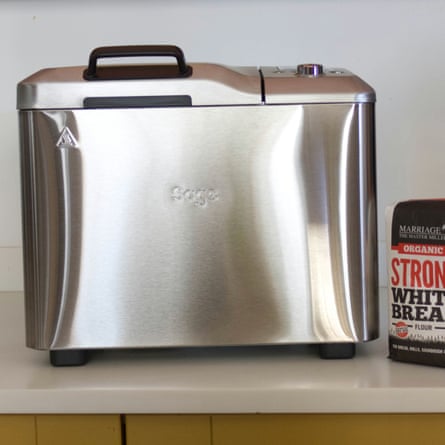
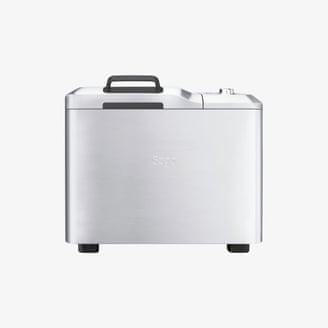
Sage’s the Custom Loaf is a standout machine, giving consistent results across a wide range of loaves.
Why we love it
Sage’s bread machine really shines when it comes to consistency. In testing, it performed admirably with loaves that looked and tasted good. I made two lots of white, wholemeal and gluten-free bread, as well as an olive loaf to test the automatic ingredient dispenser.
The dedicated gluten-free and custom dough settings make this an ideal choice for people with gluten sensitivity or coeliac disease, but the machine made some really tasty loaves across the board. The breads all held their shape well – the white loaf was light and fluffy with a fine, well-hydrated crumb, and the 100% wholemeal was denser but still very moist. I also found the custom bread setting easy to use, and the ingredient dispenser made sure the olives I added were evenly distributed throughout the dough.
The shape and density of the gluten-free loaf were outstanding, similar to the results of the Panasonic mini bread maker. Gluten-free breads can have a tendency to be crumbly or flaky, and while this is partly down to finding the right recipe, it’s also important that the dough has the additional time it needs to prove and crisp. Sage provides the flexibility to tweak the settings even further if needed.
This machine is also surprisingly quiet. While some have noisy mixing cycles, I barely noticed the Sage whirring away. Its size means it’s a tad intrusive on the worktop, but I can forgive that due to the variety of thoughtful features. These include cord storage at the back, and it’s the only bread maker I tested with an internal light. I also found the Custom Loaf’s screen easy to understand and navigate, something that can’t be said for many bread makers.
It’s a shame that … the retractable paddle doesn’t always work as intended, sometimes staying in the up position.
Dimensions: 41.7 x 24.4 x 33.8cm (WDH)
Loaf sizes: 500g, 750g, 1kg, 1.25kg (1kg, 1.25kg for gluten-free)
Average slice height: 15cm
Time for a white loaf: 3hrs 5mins
Energy cost per loaf:
8p (0.311kWh)
Spare parts and repairs: available via the Sage website
Warranty: two-year manufacturer’s guarantee
Sage
The Custom Loaf
from £229.95
What we love
Consistent loaves and plenty of bonus features
What we don’t love
A tad large, and the retractable paddle is temperamental
Best bread maker for variety:
Graef bread maker
Graef
Bread maker
from £284.95
What we love
Lovely loaves and an impressive 36 preset recipes
What we don’t love
One of the more expensive options
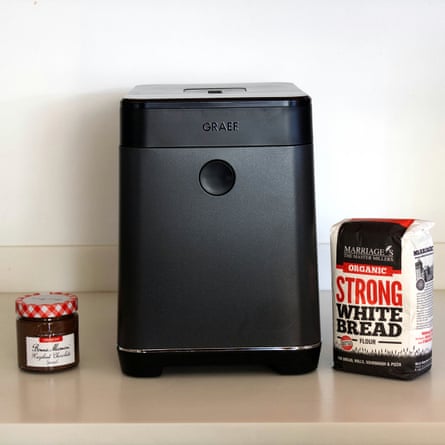
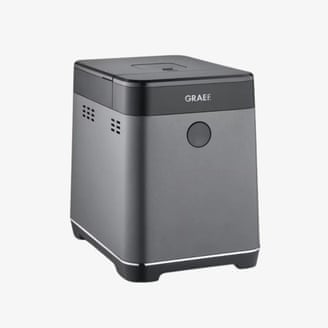
The German-designed Graef bread maker is one for the enthusiasts, thanks to its eclectic mix of presets for basic white bread and more unusual loaves.
Why we love it
For those who want a bread maker that goes above and beyond the standard loaf, Graef’s is the one. It has all the standard programmes for white, gluten-free and wholemeal bread, plus interesting additions such as yoghurt-honey bread, spelt buns and protein bread among its whopping 36 presets.
I tested the Graef bread maker the same way as others on this list: by making my three test recipes for white, wholemeal and gluten-free bread. All three came out well, but I was particularly impressed with the shape and density of the robust-yet-bouncy wholemeal loaf. The gluten-free bread had a little unmixed flour on the outside, but almost all the bread makers I tested struggled with this. I also made an olive loaf to test the machine’s dispenser setting, and used the grain bread preset to try something a little different. I was impressed with the results, and making breads less common in the UK but popular elsewhere in Europe was fun.
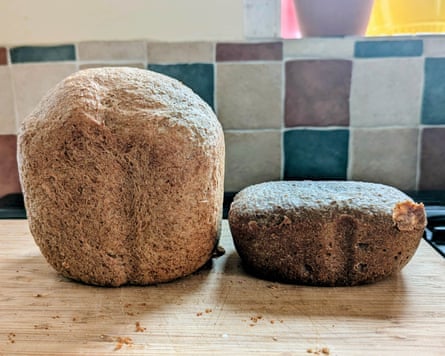
It’s worth mentioning that the more compact bread pans, such as those found in the Graef and Panasonic, seemed to produce more consistently shaped loaves in my tests, so consider this machine if that’s important to you. Unlike the Panasonic, the Graef bread maker does offer two loaf sizes: 500g and 750g.
To my surprise, I found that the recipe presets printed on the machine’s inner lid are in German. Thankfully, waterproof stickers with corresponding English translations are included in the box. This means you won’t need to whip out Google Translate if you can’t tell your bauernbrot from your weizenbrot.
It’s a shame that … it’s pricey.
Dimensions: 24.3 x 36.1 x 31.8cm (WDH)
Loaf sizes: 500g, 750g
Average slice height: 15cm
Time for a white loaf: 3hrs 35mins
Energy cost per loaf:
7p (0.274kWh)
Spare parts and repairs: none
Warranty:
up to two years (depending on retailer)
Graef
Bread maker
from £284.95
What we love
Lovely loaves and an impressive 36 preset recipes
What we don’t love
One of the more expensive options
The best of the rest
Russell Hobbs Compact Classics bread maker
Russell Hobbs
Compact Classics bread maker
from £79.99
What we love
Easy to use and makes a good white loaf
What we don’t love
Not as consistent as other models on this list
Best for: classic white bread
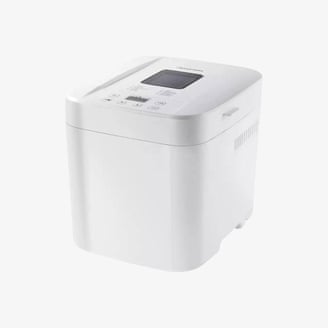
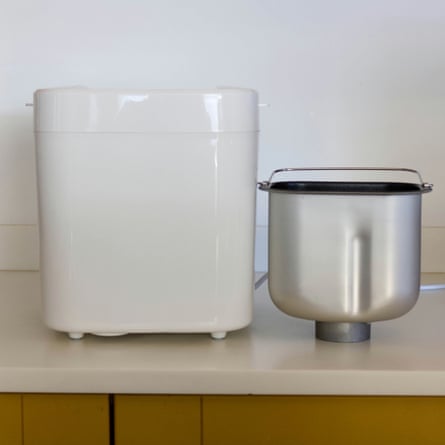
While the Russell Hobbs machine produced some good loaves, I found the bakes weren’t as consistent as the machines featured above. It made a perfectly nice white sandwich bread with a slightly soft crust and airy crumb, but I had mixed results with the other settings. None were verging on inedible, they were just not quite as good as they could be. Nonetheless, this machine is still worth considering if you’re looking for a more affordable option that does the basics well.
It’s also very easy to use. The interface has simple buttons, and it doesn’t have an overwhelming number of presets. The fast bake programme produces a loaf in about 1hr 15mins, and there’s a preset for gluten-free loaves. This is also one to consider if you prefer a larger loaf, as its two standard sizes are 750g and 1kg.
It didn’t make the final cut because … results were inconsistent, despite using the same recipe.
Dimensions: 32.8 x 28.2 x 27.7cm (WDH); loaf sizes: 750g, 1kg; average slice height: 17cm; time for a white loaf: 3hrs; energy cost per loaf: 7p (0.271kWh); spare parts and repairs: available via the Russell Hobbs website, repairs and replacements available via support if under warranty; warranty: three-year manufacturer’s guarantee if registered (depending on retailer)
Russell Hobbs
Compact Classics bread maker
from £79.99
What we love
Easy to use and makes a good white loaf
What we don’t love
Not as consistent as other models on this list
Tefal Pain & Délices bread maker
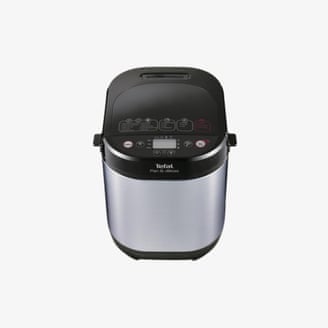
Tefal
Pain & Délices bread maker
from £89.98
What we love
Good range of loaf sizes and nice gluten-free bread
What we don’t love
Uneven browning and hot spots on crust
Best for: loaf sizes
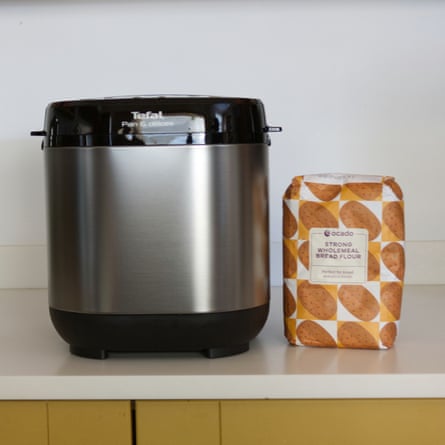
Tefal’s compact bread maker produces a range of good loaves in three different sizes – 500g, 750g and 1kg. It made a particularly good gluten-free and white loaf, both of which had a nice shape. The main issue I faced was noticeably uneven browning on each loaf’s crust, though the insides had no signs of overcooking. Internally, the crumb was light and airy, particularly in the white loaf. The paddle does get baked into the bread if it’s not greased beforehand, but this isn’t uncommon with more affordable bread makers.
The machine has a reasonable number of baking presets, and like many others on this list, can also make jam, yoghurt and pasta dough. More unusually, Tefal’s bread maker also comes with a special pot and strainer basket for making curd cheeses. If you can pick it up on offer, I’d still be tempted by this one.
It didn’t make the final cut because … most of the loaves I made had uneven browning.
Dimensions: 29 x 31.8 x 29.8cm (WDH); loaf sizes: 500g, 750g, 1kg; average slice height: 16cm; time for a white loaf: 3hrs 2mins; energy cost per loaf: 5p (0.199kWh); spare parts and repairs: available via the Tefal accessories store, repairs and replacements available through Tefal customer service; warranty: two-year manufacturer’s guarantee
Tefal
Pain & Délices bread maker
from £89.98
What we love
Good range of loaf sizes and nice gluten-free bread
What we don’t love
Uneven browning and hot spots on crust
What you need to know
How to use a bread maker
Most of the bread makers on this list offer a range of programmes for different types of bread, including white, wholemeal and gluten-free, as well as rapid settings for baking a white loaf in about an hour. You can also choose the crust colour – usually light, medium or dark – and the best bread makers have a delay timer if you want a fresh loaf ready by a specific time.
Ultimately though, the most important part of using a bread maker is finding a recipe you like. Most bread makers come with a couple of basic recipes included as part of the manual and occasionally a recipe app. If they don’t, there are lots of bread-maker-specific recipes online. Just ensure the recipe size matches the loaf sizes your bread machine can make. For example, to find a good gluten-free recipe for my testing benchmarks here, I searched for a “500g and 1kg gluten-free bread maker recipe” and found the Freee Gluten Free bread recipe to be most consistent. I used the quantities for the 3-litre pan and halved them for 500g loaves.
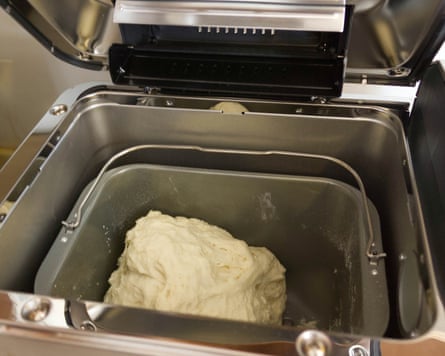
Once you have a recipe, the rest is relatively simple. For most bread makers, you add the wet ingredients first, but always check the manufacturer’s instructions, as the order can vary. Adding the wet ingredients first can help the bread paddle inside the maker mix more evenly and consistently, leaving no clumps around the edges of the pan.
After this, the machine pretty much takes care of the rest, automating the mixing, kneading, proving and baking with no need to work the dough by hand or monitor the proving. You can, if manufacturer instructions permit, remove the bread maker’s paddle before the baking starts to minimise the hole in the bottom of your loaf.
Once the full cycle finishes, remove the loaf from the pan and leave it to cool before slicing. If you try to cut into it while it’s still hot, the structure can tear and collapse, leaving you with broken slices and a sad-looking loaf.
Can you make sourdough in a bread maker?
You can make sourdough bread in some bread makers to speed up the process somewhat, but the crust and crumb structure won’t be the same as making it by hand. What’s more, as traditional sourdough relies on a live starter, which ferments dough more slowly than fast-action dried yeast, most basic bread maker presets don’t allow enough time for the dough to rise.
More advanced bread makers, such as the Graef model reviewed above, have dedicated sourdough settings that automate the process and allow more proving time (although the sourdough recipes provided by Graef also use yeast and require a separate fermentation stage). You can also consider a bread maker with a custom setting, such as Sage’s the Custom Loaf, as this will allow you to set your own longer proving and bake times.
What else can you make in a bread maker?
Bread makers are surprisingly versatile machines once you get to know them. As well as kneading, proving and baking your bread, many models have programmes for other food prepping tasks. Most machines have presets for various mixing and cooking tasks, including anything from yoghurt and cheese to pasta dough and compote.
How to buy a refurbished bread maker
If you’d rather give an old bread maker a new lease of life and save yourself a bit of money, there are plenty of refurbished and secondhand bread makers available online if you know where to look.
Good places to look include eBay and Direct Vacuums. I found a refurbished Tefal bread maker, featured in our best of the rest list, for £64.99 on the latter. You can also search Amazon Resale or Amazon Renewed for secondhand and refurbished options. It’s also worth paying your local charity shops a visit, as larger ones, such as the British Heart Foundation’s, tend to sell used and tested electrical goods. Before buying secondhand, check that the appliance hasn’t been recalled, that the plug and cable are undamaged, and that all the parts are included.
For more, read everything you need to make great sourdough and the best stand mixers to make baking easier
KioskNews shows a cleaned-up reading view extracted from the publisher’s page — the original always lives on their site, not ours.