Demon Star and Witch’s Head kick off spooky space season
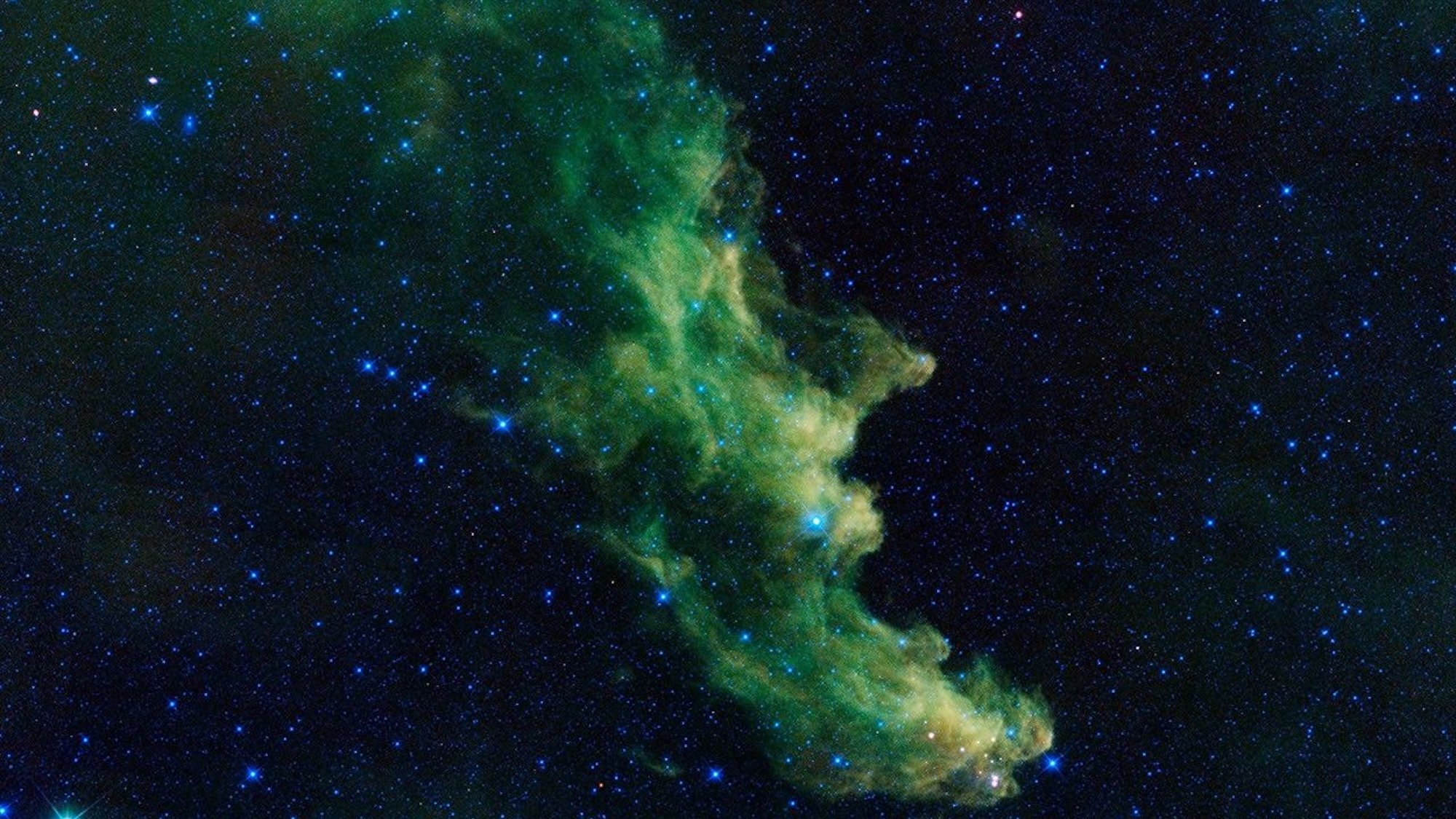
It’s officially October, which means it’s finally that most wonderful time of the year. The Halloween season is here, and even the cosmos get in on the occasion—at least if you squint hard enough at the night sky. To gear up for the celebrations, NASA recently highlighted a pair of spooky-themed deep space subjects.
The Demon Star
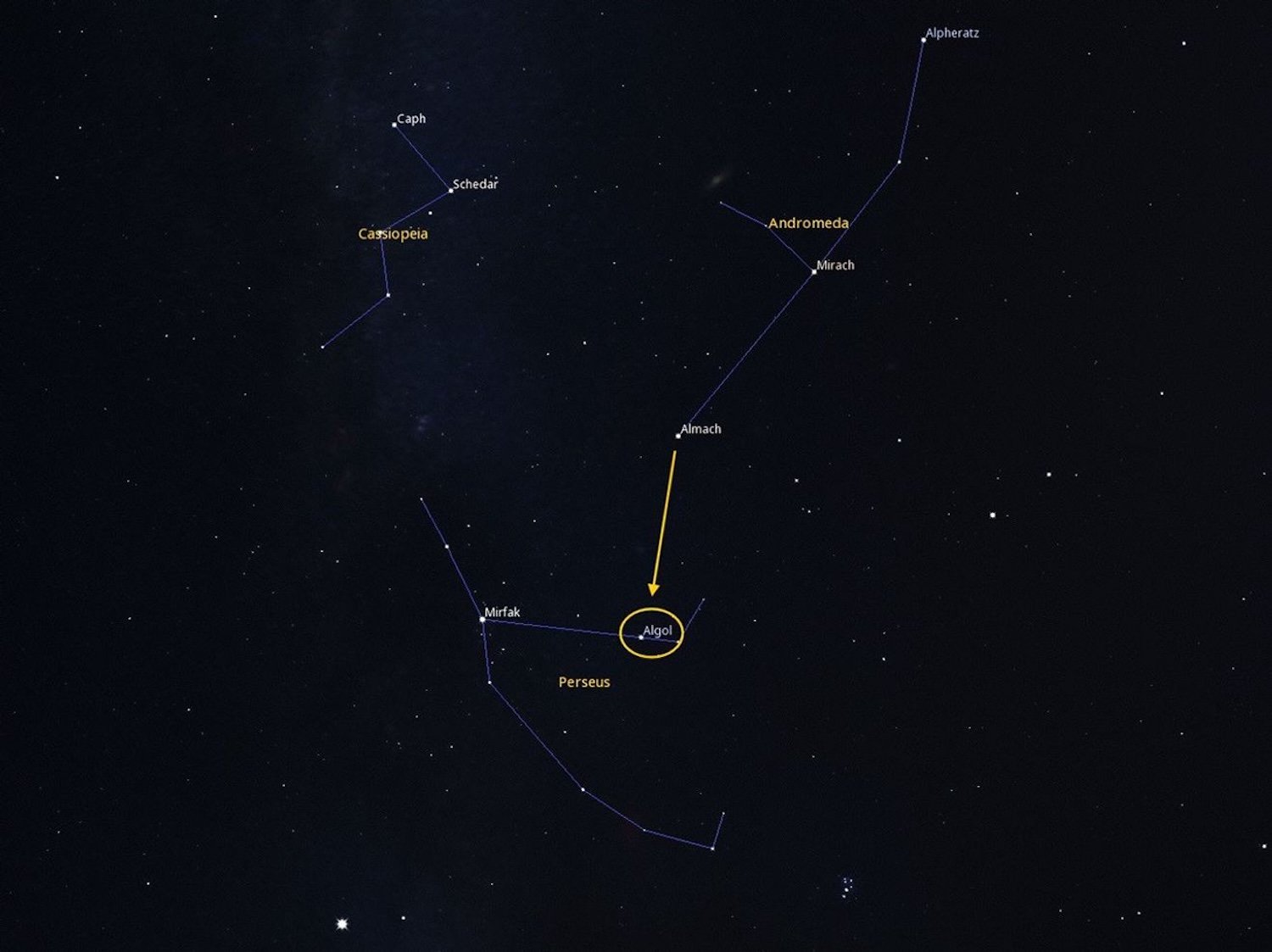
Algol (Beta Persei), a star located in the Perseus constellation. Some accounts claim its earliest sightings trace back 3,200 years to ancient Egypt, but the first concrete evidence of its observance came from the Italian astronomer Geminiano Montanari in 1667. In 1783, the British amateur astronomer presented findings indicating the star exhibits regularly varying brightness.
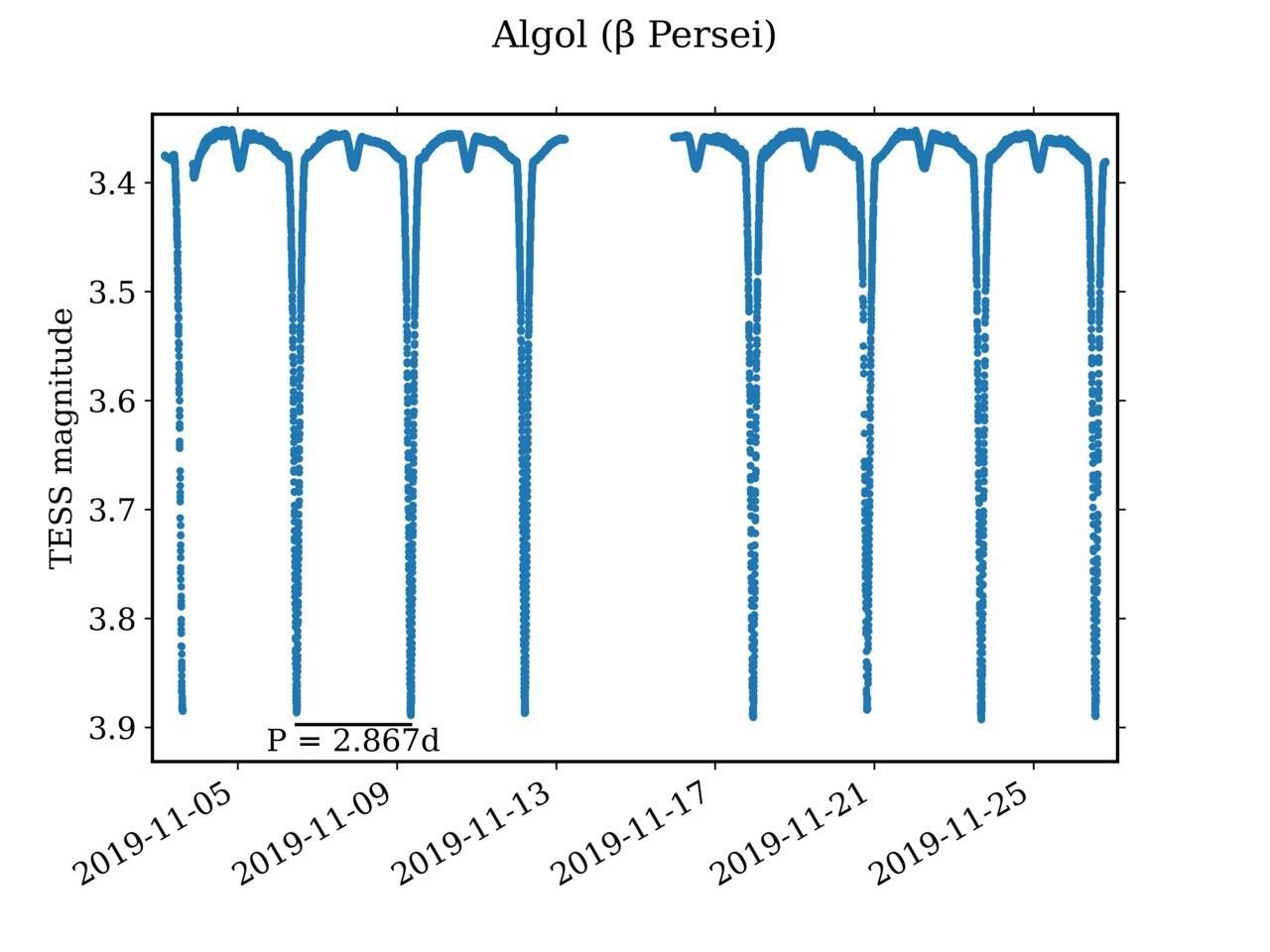
This curious feature aligns with its long-term nicknames of the “Demon Star” or “The Ghoul.” In Greek mythology, Algol also symbolized Medusa’s single blinking eye. Ironically, this “blinking” was eventually proven to be the result of a triple-star system in which two stellar objects orbit a third partner. The eclipsing binary makes Algol dim from a +2.1 magnitude to +3.4 magnitude about every three days. NASA offered a light curve graph created with data from its Transiting Exoplanet Survey Satellite (TESS) mission to illustrate the Ghoul’s rapid “blinking.” Algol is visible during autumn in the northeastern night sky near Andromeda and Cassiopeia.
The Witch Head Nebula
The second spooky season space object is much more massive, although difficult to see with the naked eye. IC 2118 exists between the constellations of Orion and Eridanus about 900 light-years away from Earth, but the neighboring star Rigel is what helped earn the gaseous formation’s nickname.
Unlike Algol, a single clear image of the stellar nursery’s reflection immediately lives up to its moniker—the Witch Head Nebula. With a bulbous chin, hooked nose, and flopping hat, the nebula’s reflection looks ready for October no matter the time of year. The Witch Head even features an accompanying Witch’s Broom formation inside the Western Veil Nebula within the Cygnus constellation.
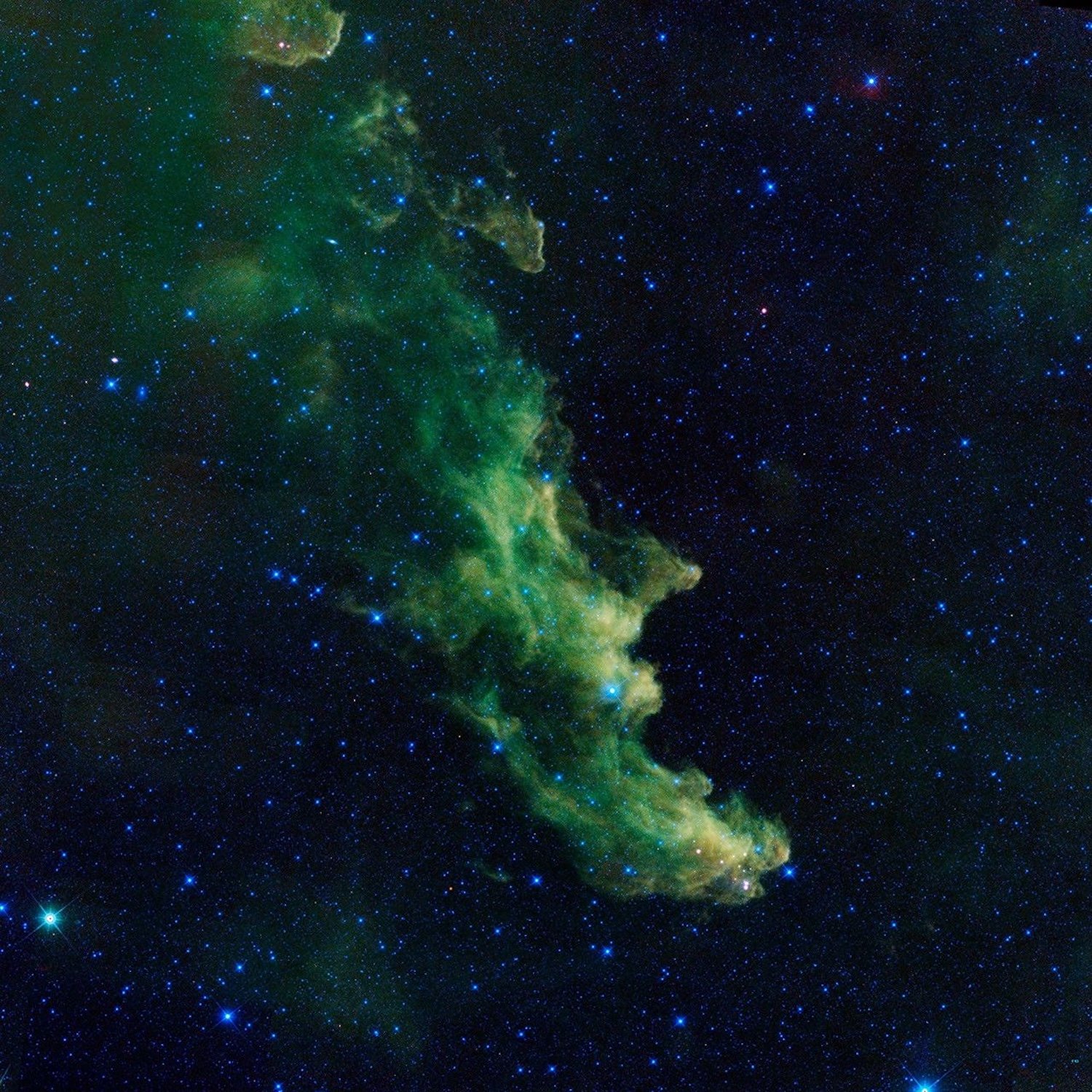
Credit: NASA / JPL-Caltech
It’s difficult to summon the Witch Head Nebula—but not impossible. NASA recommends astrophotographers travel somewhere with an especially dark evening sky, then use a telescope with a large aperture and low magnification to glimpse the gaseous clouds.
These are far from the only more seasonally appropriate subjects seen across space. Nebulae come in all shapes and sizes, including a tarantula-esque and spider-like clouds that will make arachnophobes pause. In 2022, the sun even gave onlookers its best Jack o’ Lantern impression.
But even if these are hard to see, Halloween fans can at least celebrate seasonal astronomy with the Hunter’s Moon on October 26.
KioskNews shows a cleaned-up reading view extracted from the publisher’s page — the original always lives on their site, not ours.