Rat on camera, inspectors at your door: Bukit Bintang tops KL’s closure list, and DBKL isn’t waiting for complaints this time
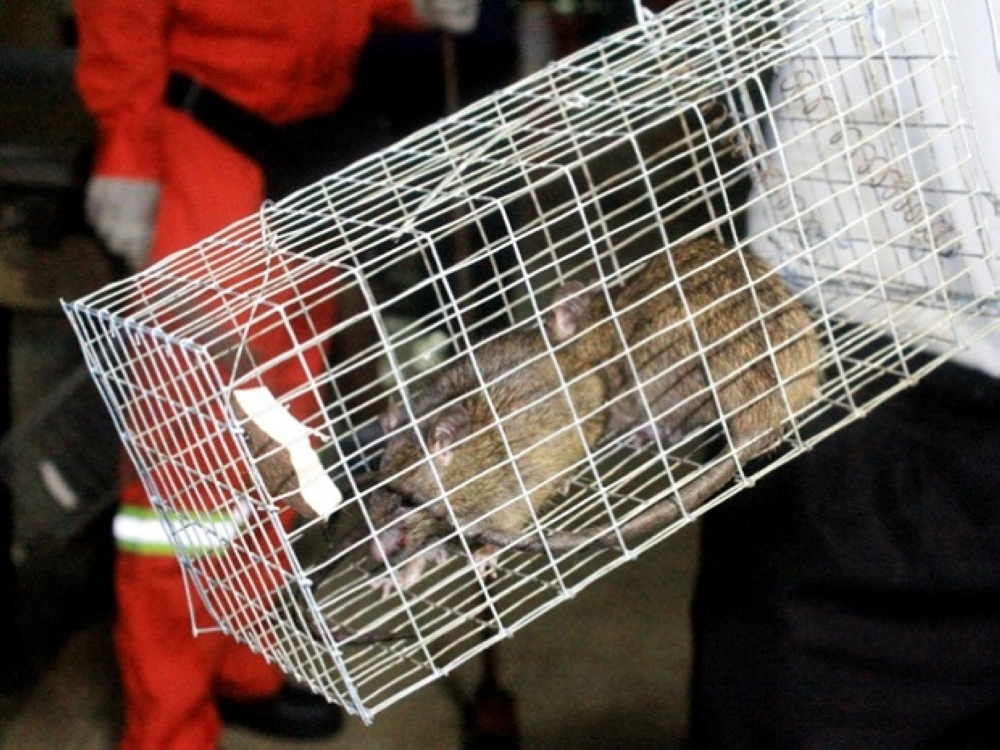

DBKL officers show the rats caught during a pest control operation at the Pudu wet market in Kuala Lumpur. — Bernama file pic
By Malay Mail
First Published: Monday, 26 Oct 2026 12:21 PM MYT
Last Modified: Monday, 26 Oct 2026 12:30 PM MYT
KUALA LUMPUR, Oct 26 — A video of a rat or cockroach in an eatery is now enough to send Kuala Lumpur City Hall (DBKL) health inspectors to the door, and 194 food premises have been shut in the city so far this year.
DBKL Health and Environment Department director Dr Noor Halizam Ismail said no formal complaint is needed, as officers monitor social media for posts on unhygienic eateries.
“We don’t wait for a report,” she told The Star in an article published today.
Officers are alerted over WhatsApp and sent out immediately, she said, because food hygiene is a public health matter.
Complaints used to arrive by email with blurry photographs, giving operators room to dispute the images by the time inspectors turned up.
“When there is a video of a rat, the restaurant operator cannot argue with DBKL officers anymore,” Dr Noor Halizam said.
By the numbers
DBKL recorded 7,838 licensed eateries, cafes and restaurants as of August, up from 7,226 in 2024 and 7,515 last year.
Of those, 6,815 hold the top Category A grade and 1,023 are in Category B, with the A rating withdrawn if an inspection score falls below 80.
From January to September, DBKL checked 4,773 food premises and issued 4,454 compound notices, a count of compounds rather than outlets, as one eatery can receive two or three.
Closures stood at 616 in 2024, 442 last year and 194 up to September 30 this year, or 1,252 in all, and every one has since been allowed to reopen.
Where it’s happening
Bukit Bintang has the most eateries in the city at 1,485, and it also recorded the highest number of closure orders, at 49 from January to August.
Titiwangsa followed with 32 closure orders and Cheras with 29, though the figures count orders rather than total breaches.
In a recent operation in Pudu and Bukit Bintang, officers inspected 14 premises, issued 15 compounds and ordered seven to close.
At one Pudu eatery, which had been ordered shut in April, inspectors found rotting food waste and an uncovered grease trap not linked to any sewerage system, and one officer said conditions were now worse.
At others, uncovered food and ice were stored near toilets, and rat droppings were found in a food storage area next to the toilets.
DBKL Environmental Health Division head Dr Azaruddin Husin said operators often overlook details such as dusty fans and grimy equipment.
“A restaurant cannot be considered clean if its fans are coated in dust and cobwebs,” he said.
What inspectors check
DBKL officers show the rats caught during a pest control operation at the Pudu wet market in Kuala Lumpur. — Bernama file pic
Inspectors look in the corners diners never see, including beneath sinks, floors, refrigerators and exhaust systems, where rat droppings and cockroaches often turn up.
Clogged or badly connected grease traps, unclean toilets, food handlers without typhoid vaccination or training, and pest-control records that do not match conditions on the ground are other common breaches.
Mall eateries and chains serving raw or partly cooked dishes are not exempt, Dr Noor Halizam said, as DBKL has received food poisoning complaints involving them.
Closure is not the end
The Health Ministry can shut a premises for up to 14 days under Section 11 of the Food Act 1983, while DBKL can order immediate closure under By-law 28 of its 2016 licensing by-laws.
A closed eatery can be considered for reopening 24 hours after cleaning at the earliest, but inspectors must return to check first.
Dr Noor Halizam acknowledged that closures hit operators’ incomes but said public health cannot be compromised.
“But at the same time, DBKL wants people to learn their lesson, and the best way to learn is the hard way,” she said.
Repeat offenders could ultimately lose their licences, she added.
KioskNews shows a cleaned-up reading view extracted from the publisher’s page — the original always lives on their site, not ours.