NYT alleges Microsoft, OpenAI knowingly used news articles in ‘largest labour theft in human history’
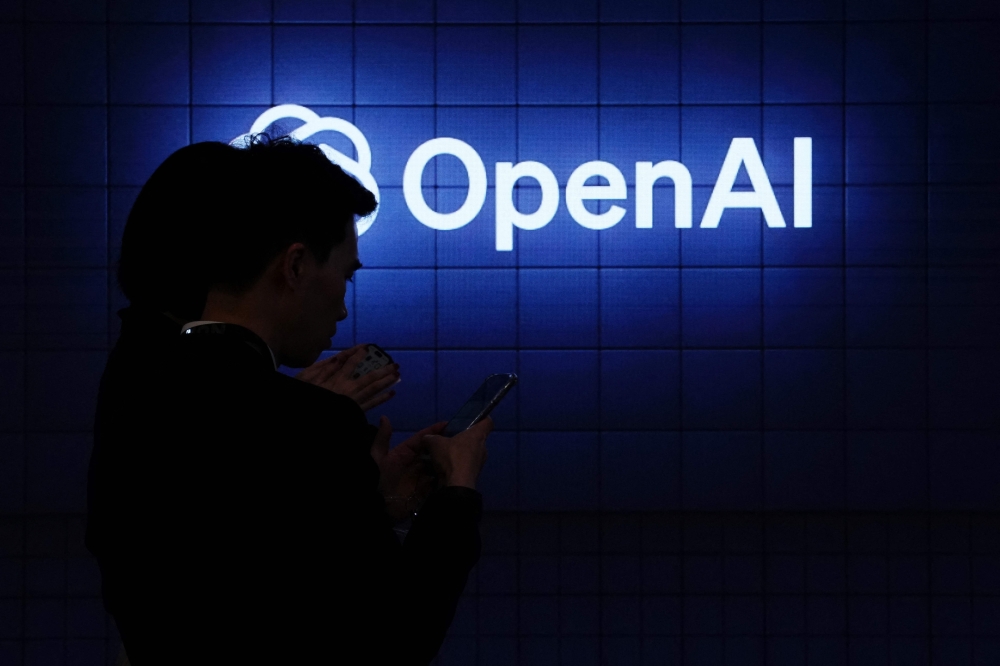

OpenAI committed ‘an astonishing theft of unprecedented proportions’ when it used millions of news articles to train its artificial intelligence models, the New York Times alleged in a court document unsealed yesterday. — AFP pic
First Published: Friday, 18 Sep 2026 9:08 AM MYT
SAN FRANCISCO, Sept 18 — OpenAI committed “an astonishing theft of unprecedented proportions” when it used millions of news articles to train its artificial intelligence models, the New York Times alleged in a court document unsealed yesterday.
The San Francisco-based artificial intelligence lab scraped content from more than 10 million articles, nearly a third of which came from the New York Times alone.
The document claims Microsoft’s Director of Applied Science Brent Hect called it “an astonishing theft of unprecedented proportions” and possibly the “largest theft of labour in human history.”
Hect also allegedly warned that OpenAI might have engaged in an “accidental cover up” in its attempts to identify content in its systems that came from the New York Times and the lawsuit’s other plaintiffs.
Microsoft considers Hect’s statements the opinions of “one employee’s individual perspective” and they “do not represent the company’s views,” a spokesperson for Microsoft told AFP in a statement.
The newspaper sued OpenAI and Microsoft three years ago in New York federal court for allegedly stealing its copyrighted material to train OpenAI’s flagship model, ChatGPT. Microsoft first invested in OpenAI in 2019.
Several other news publishers also joined the lawsuit, including Ziff Davis — which owns CNET and other tech news publications — as well as the parent company of the magazine Mother Jones, the investigative news site The Intercept, and multiple local newspapers across the United States.
They are seeking damages for each article that was allegedly stolen and used by OpenAI’s models, though it is unclear what the total amount of penalties could reach.
OpenAI has signed content licensing deals with many news publishers around the world since it launched ChatGPT in late 2022, but concerns persist that generative AI software is reducing traffic to internet news sites.
AI companies have tried to alleviate those concerns by adding citations with links to user queries, but the effort has been criticised as insufficient.
“No matter how prominently we show the links, users won’t click,” one of OpenAI’s own engineers admitted, according to the court document.
Microsoft and OpenAI argue that their use of news content is transformative and falls under “fair use” laws.
In early September, the US Department of Justice filed a brief in support of OpenAI and Microsoft, in which it invoked “scientific progress,” economic growth, and “national security.”
The plaintiffs have requested a summary judgment in their favour.
If granted by US District Judge Sidney Stein, the case would not go to trial, but a ruling is not expected until 2027. — AFP
KioskNews shows a cleaned-up reading view extracted from the publisher’s page — the original always lives on their site, not ours.