InquirerDA speeds up construction of major Clark food hubThe Jerusalem PostIDF Unit 8200 Alumni Association uses network to drive Israeli innovation, start-upsESPN DeportesCruz Azul aprovecha un error de la zaga rival para contestar el gol de RiveroPunchOsun poll: 295 suspects arrested – Policeוואלהמפקד סנטקום: לנושאת המטוסים לינקולן יש את מספר מקרי בריאות הנפש הנמוך ביותרDaily MaverickMore than 180,000 without power in Hawaii, 100 homes damaged as Lala weakens to tropical storm한겨레디스크 수술 뒤 다리 마비·배변장애 후유증…대법 “의료진 과실, 배상해야”SözcüDünyanın en büyük ülkeleri belli oldu: İşte Türkiye'nin listedeki yeriCNN TürkSalih Özcan: Orkun ile maçlarda aynı düşünüyoruzInquirer EntertainmentHayden Panettiere, known for ‘Scream’ and ‘Heroes,’ dies at 36UOLNovo terremoto de magnitude 5,7 atinge Indonésia após tremor deixar mortosNTV1999 depreminde kaybolan kardeşini arıyor
The Daily Newsstand · Free, Always
Monday, August 17, 2026

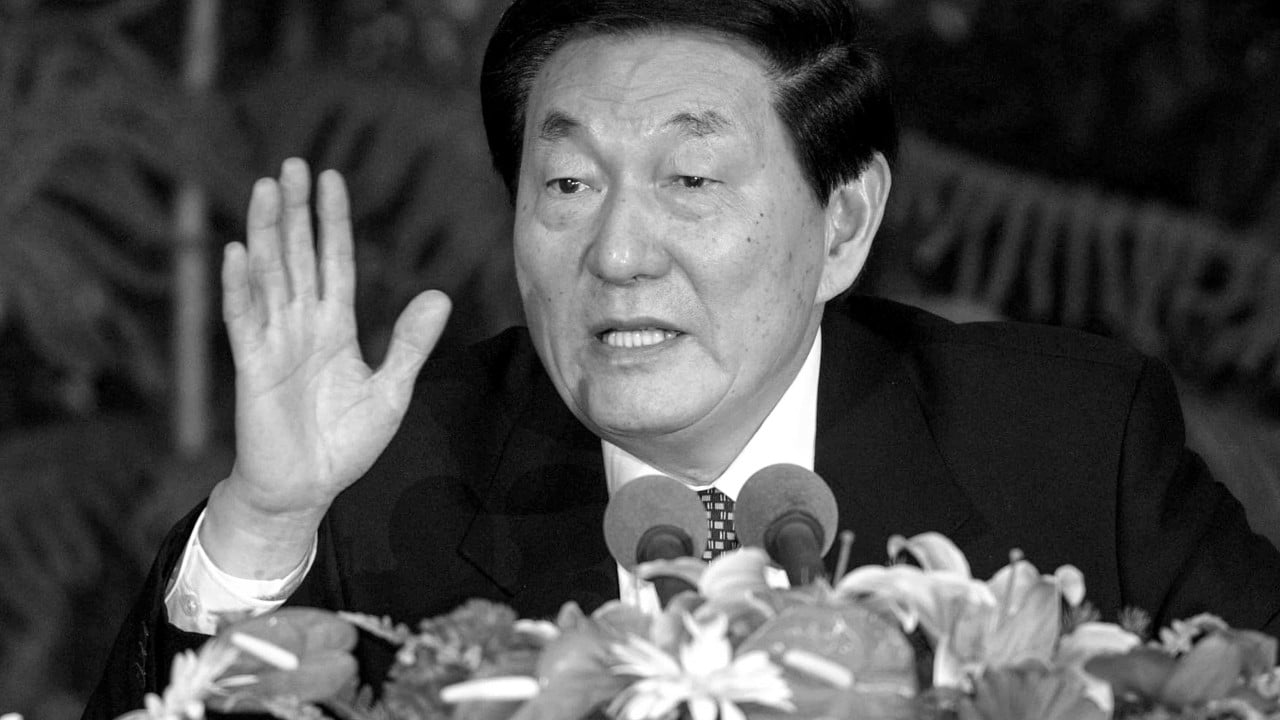
Zhu Rongji, China’s chief engineer of economic reform and former premier, dies aged 97
Translate

Former Chinese premier Zhu Rongji, who helped engineer one of the greatest economic reforms in the human history, has died. He was 97.

Zhu, who served as China’s premier from 1998 to 2003, is remembered for tackling corruption, shaking up the centrally planned economy and overhauling the state-owned enterprise (SOE) sector.
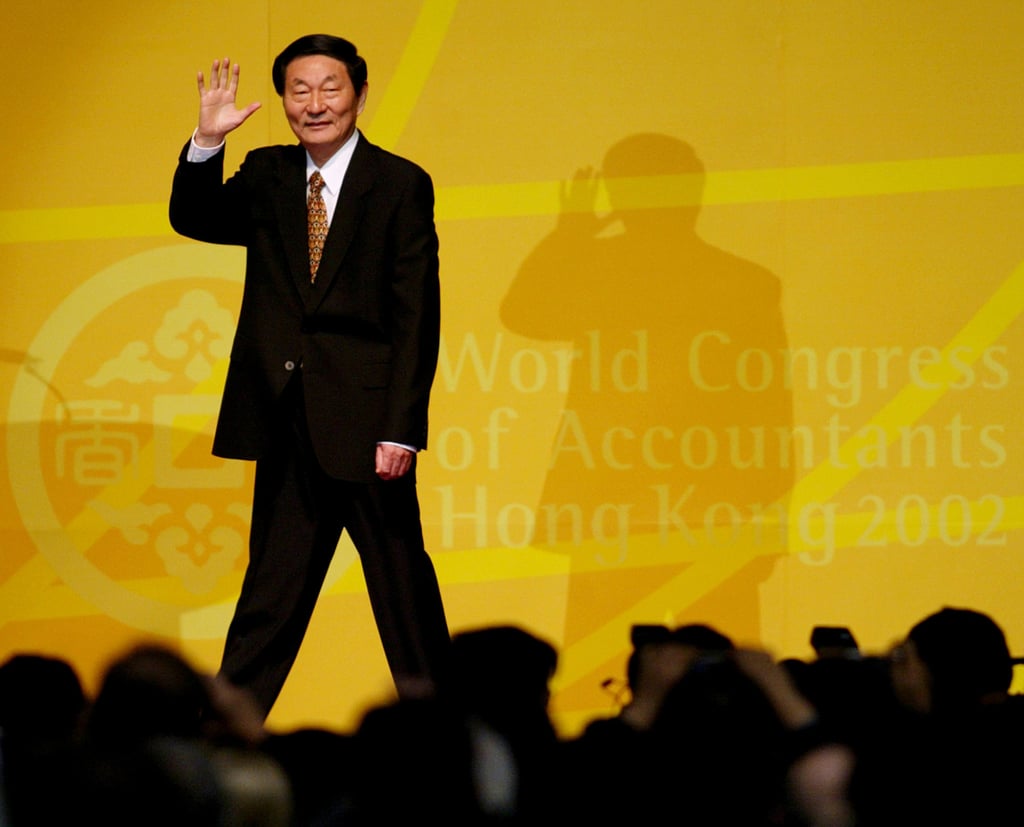
Zhu Rongji helped drive China’s entry into the World Trade Organization. Photo: Reuters

Zhu Rongji helped drive China’s entry into the World Trade Organization. Photo: Reuters

Born in 1928 in Changsha, the capital of the central province of Hunan, Zhu graduated from Tsinghua University in 1951 with a degree in electrical engineering and joined the civil service, working on regional and national economic policy.

He rose to be vice-premier in charge of China’s economy between 1991 and 1998 before taking on the role of premier.
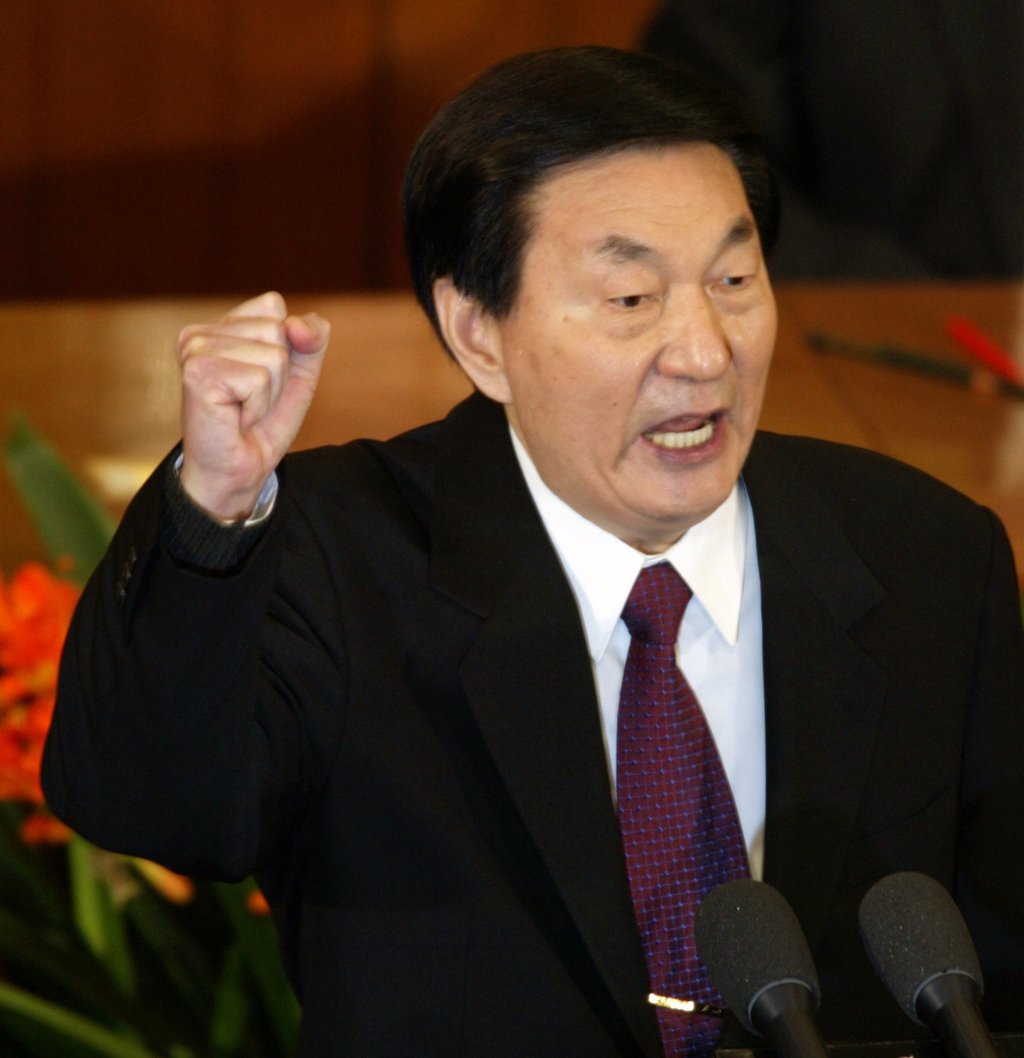
Chinese Premier Zhu Rongji concludes his final report to the annual session of the National People’s Congres in Beijing March 5, 2003. Photo: Reuters

Chinese Premier Zhu Rongji concludes his final report to the annual session of the National People’s Congres in Beijing March 5, 2003. Photo: Reuters

In the 1990s, when China’s high inflation, mounting debt and SOE losses threatened financial stability, Zhu targeted the risks by centralising fiscal policy, cutting red tape and closing or privatising failing enterprises.

View the original on SCMP China

KioskNews shows a cleaned-up reading view extracted from the publisher’s page — the original always lives on their site, not ours.