Thailand to receive 13 more second-hand KiHa 100 trains from Japan
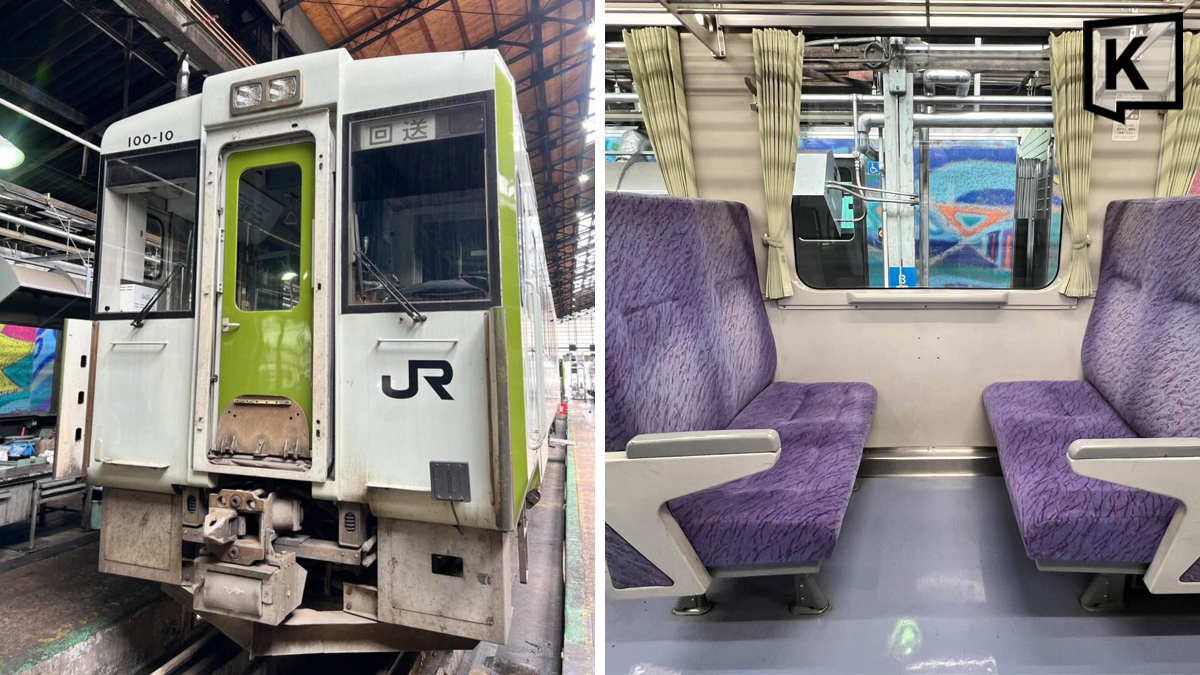
ฺBANGKOK — 8 November 2026, The State Railway of Thailand (SRT) has clarified its plan to receive 13 additional second-hand KiHa 100 diesel railcars (KiHa 100 train) from Japan, saying the move is intended to make better use of available resources and improve services, not replace plans to develop Thailand’s domestic railway manufacturing industry.
In a statement on 8 November, the SRT said the initiative was designed to ensure value for money and deliver benefits in several areas, including passenger services, the development of engineering and maintenance personnel, and the promotion of railway tourism.
The SRT has previously received several models of used trains from Japan, including the KiHa 183 and KiHa 40/48. It is now preparing to receive another 13 KiHa 100 railcars, a relatively small number compared with the total fleet of passenger trains operated across the SRT network.
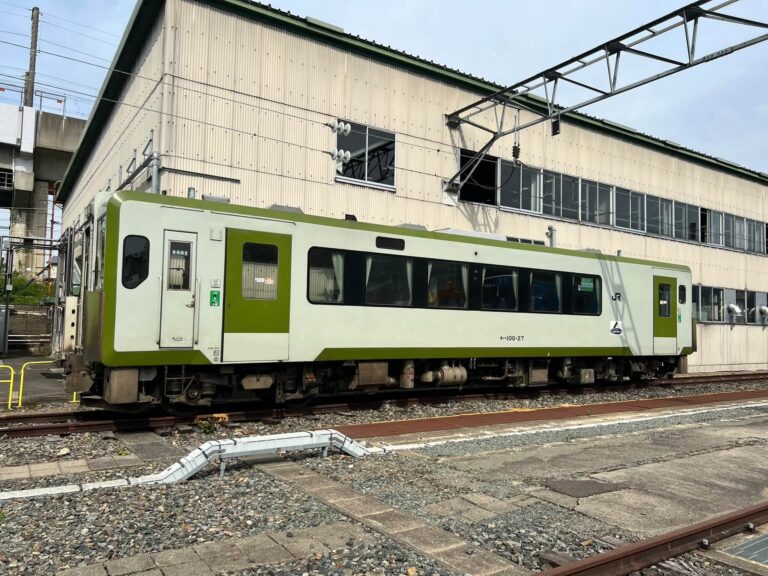
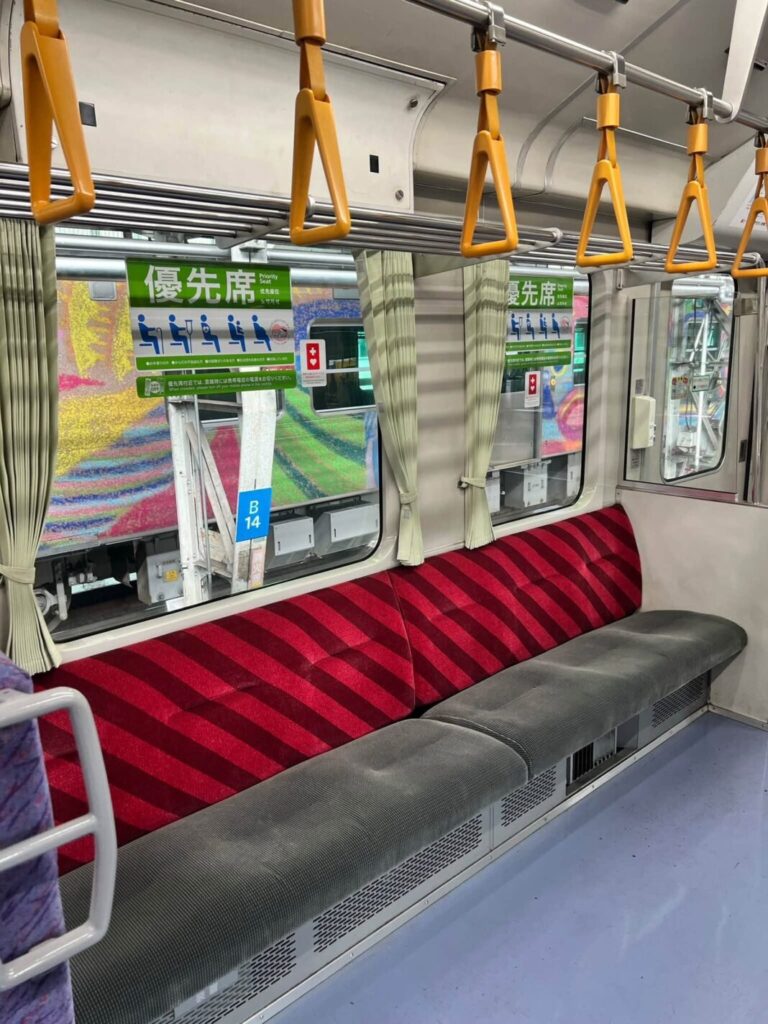
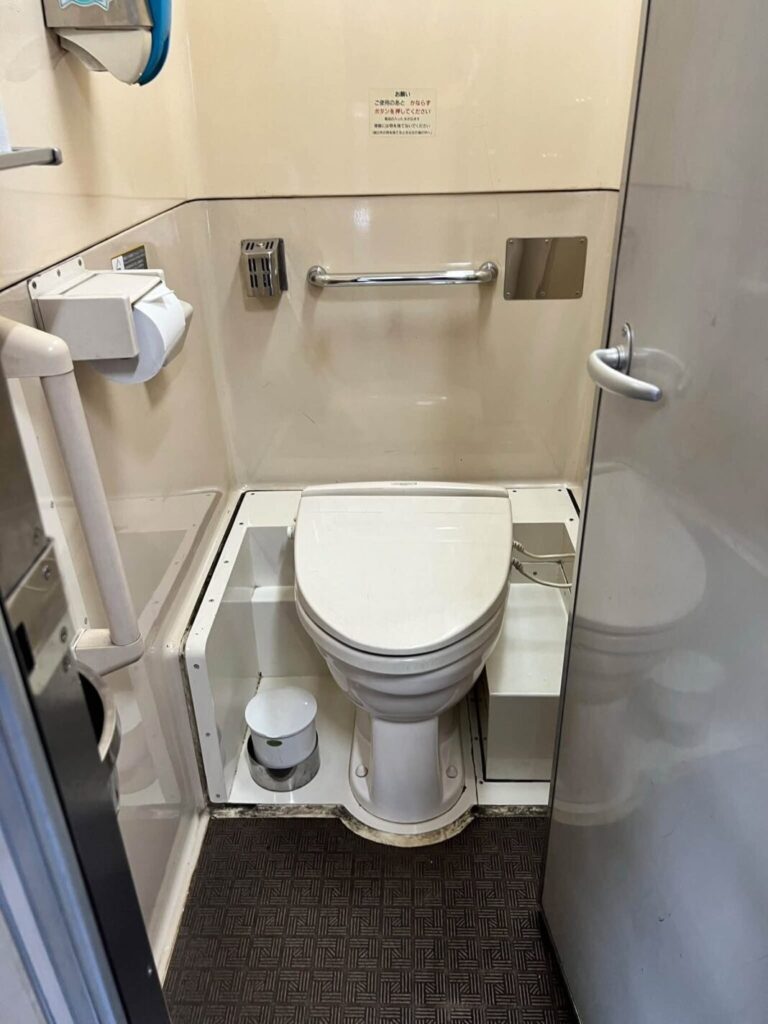
Most of the trains are expected to undergo refurbishment and upgrades before being put into service. The SRT said they would provide passengers with more travel options while helping stimulate tourism and local economies in different regions.
The transfer will also provide an opportunity to strengthen Thailand’s railway engineering expertise, particularly in diesel railcar technology, condition inspections, mechanical and electrical system upgrades, maintenance procedures and spare parts management.
SRT engineers and technicians will gain practical experience and technical skills through hands-on work, as well as exchange technical knowledge with relevant organisations. The experience is expected to contribute to the long-term development of the country’s railway maintenance capabilities.
Meanwhile, the SRT stressed that it remains committed to developing Thailand’s domestic railway industry under its Local Content policy.
It has already begun developing prototype passenger coaches using the capabilities of local manufacturers. One example is the “Beyond Horizon” (Sud Khob Fah) prototype passenger coach project, which applies domestic expertise in design, engineering and manufacturing to produce coaches that meet quality standards and passenger needs.
Looking ahead, the SRT plans to expand the project through cooperation with local manufacturers and industrial operators. The goal is to strengthen domestic capabilities in train design, component manufacturing, assembly and maintenance, while promoting technology transfers and workforce development.
The SRT insisted that receiving second-hand trains from Japan and developing Thailand’s domestic railway manufacturing industry could proceed simultaneously.
It described the Japanese trains as a way to make use of existing resources to expand passenger services and promote tourism in the short term.
By contrast, developing domestic passenger coaches and the railway industry remains a long-term strategic priority. The SRT said it would continue pursuing this policy to strengthen Thailand’s capabilities, reduce reliance on foreign technology and support the sustainable growth of the country’s railway industry.
KioskNews shows a cleaned-up reading view extracted from the publisher’s page — the original always lives on their site, not ours.