Netflix's First 10/10 Live-Action Manga Is Just As Good As One Piece

Tom is a Senior Staff Writer at Screen Rant, with expertise covering everything from hilarious sitcoms to jaw-dropping sci-fi epics.
Initially he was an Updates writer, though before long he found his way to the TV and movies team. He now spends his days keeping Screen Rant readers informed about the TV shows of yesteryear, whether it's recommending hidden gems that may have been missed by genre fans or deep diving into ways your favorite shows have (or haven't) stood the test of time.
Tom is based in the UK and when he's not writing about TV shows, he's watching them. He's also an avid horror fiction writer, gamer, and has a Dungeons and Dragons habit that he tries (and fails) to keep in check.
The success of Netflix’s One Piece has led many to celebrate the fact that the streamer has finally figured out how to make live-action adaptations of manga and anime work. Translating Eiichiro Oda’s larger-than-life characters, fantastical locations, and bombastic Devil Fruit powers into live-action once seemed like an enormous risk. However, despite the odds, One Piece became a global phenomenon and proved that even the most visually ambitious manga could survive the transition into live-action.
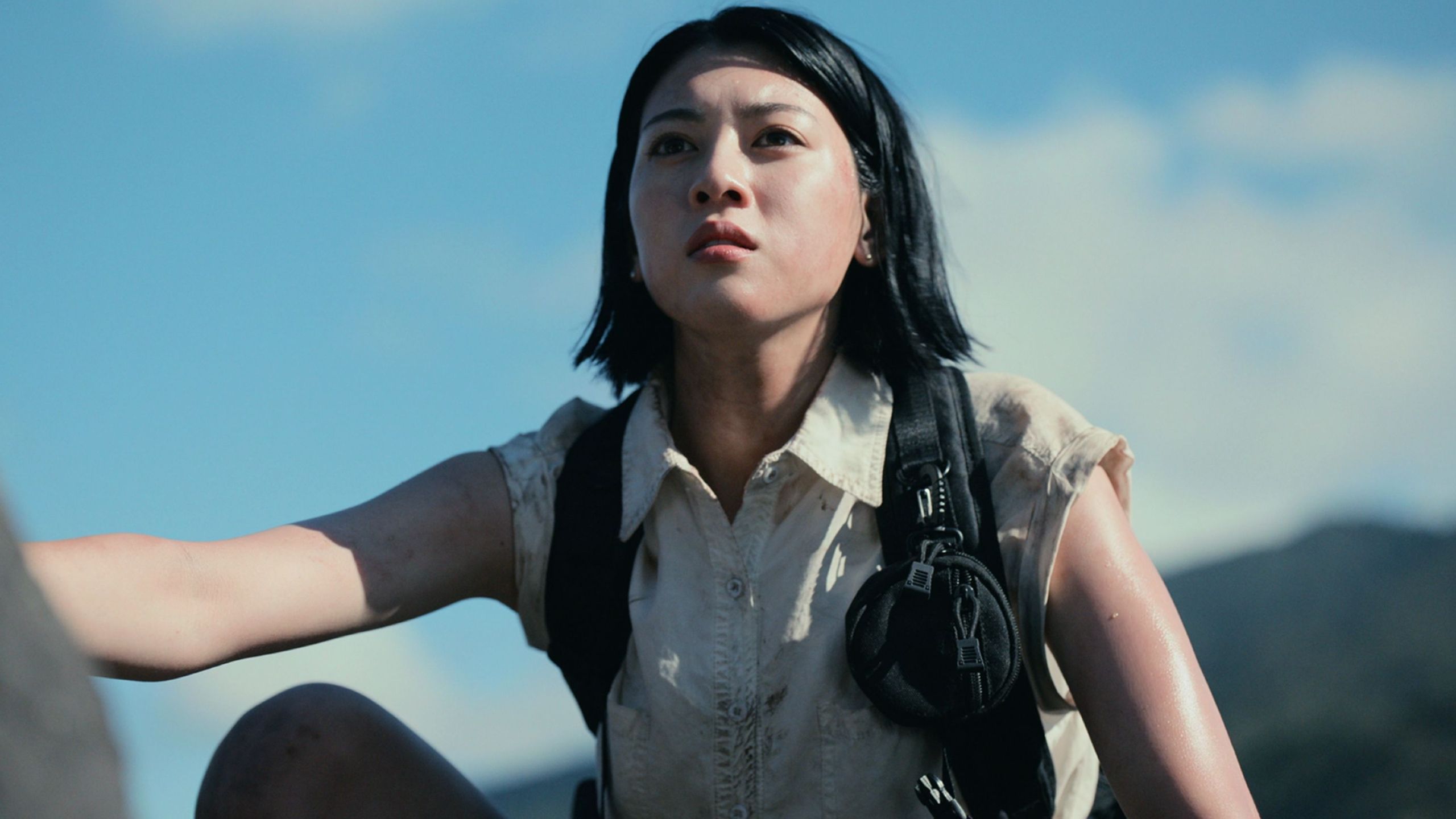
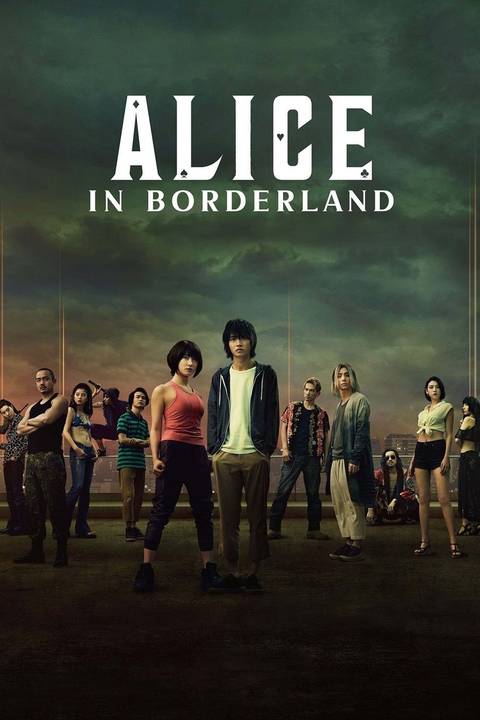
However, while One Piece is undoubtedly an achievement, it cannot claim to be the Netflix series that cracked the live-action manga adaptation formula. That accolade belongs to a show that arrived almost three years earlier with considerably less fanfare. Alice in Borderland debuted in December 2020 and quietly demonstrated that Netflix could faithfully translate a manga property into an accessible live-action series without stripping away everything that made the source material special.
Based on Haro Aso’s sci-fi thriller manga, Alice in Borderland is the story of directionless gamer Ryohei Arisu (Kento Yamazaki), who finds himself trapped in an eerily deserted Tokyo where survival depends on completing increasingly deadly games. Across the show’s three seasons, Arisu gradually uncovers the mysteries surrounding this strange reality. Alice in Borderland has never received anything approaching One Piece’s marketing or mainstream attention, but it established Netflix’s successful live-action manga model, and its importance is difficult to overstate.
Alice In Borderland Wrote The Blueprint For Successful Live-Action Manga Adaptations

Netflix's live-action manga and anime adaptations prior to Alice in Borderland always seemed to fail due to a key problem: balance. They either leaned far too hard into the source material without understanding that small-screen storytelling requires different pacing and perspective to the page. At the other end of the scale are adaptations that seem to throw the original manga out the window, ignoring everything that made the property being adapted so popular in the first place.
The smartest thing Netflix's live-action Alice in Borderland did was recognize that faithfully adapting manga does not mean literally recreating every panel, but still needed to carry the spirit of Haro Aso’s original story. With Alice in Borderland, Netflix managed to preserve the fundamentals of the manga’s premise and atmosphere while subtly reframing the story so it would function as a live-action TV show.
The deserted Tokyo is immediately recognizable to readers of Haro Aso’s manga, while the games are elaborate enough to retain their manga origins without overshadowing the character-driven drama around them. The live-action show understood that adaptation required changes without treating the original work merely as raw material for an almost entirely different story. Most importantly, Netflix's Alice in Borderland never seems embarrassed by being based on manga. As a medium, manga is beloved because of just how weird and wonderful its stories can be, and Netflix didn’t forget this.
Its premise is unapologetically strange, its action can be extravagant, and its characters exist within a surreal world of the kind that’s usually only found on the page. It’s a principle that One Piece later took considerably further. Netflix's live-action adaptation of Luffy’s quest retained the manga's unusual character designs, fantastical powers, colorful locations, and emotional sincerity. Alice in Borderland proved that live-action manga adaptations could work, and how to make them successful. Then, three years later, One Piece demonstrated just how far Netflix could push the same creative approach.
Now Netflix Have Mastered The Craft, The Streamer Should Revisit Its Live-Action Manga Failures
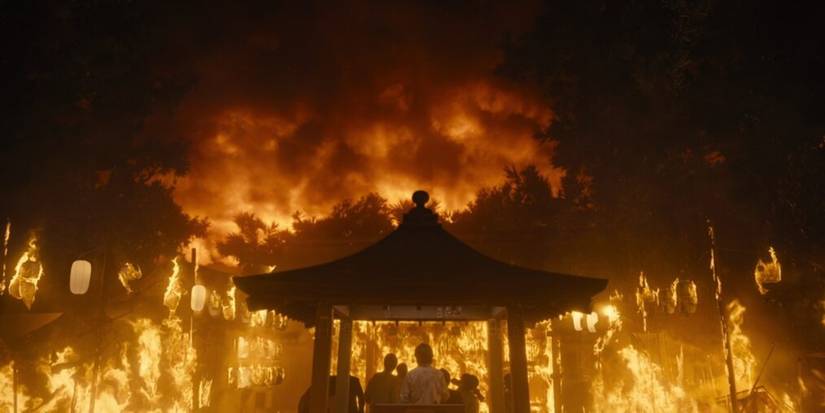
Between Alice in Borderland and One Piece, Netflix has shown that the problem was never manga being inherently unsuitable for live-action. Both properties presented enormous adaptation challenges for completely different reasons, yet both succeeded by taking their source material seriously while recognizing that TV has different storytelling requirements.
The success of both makes Netflix's earlier manga and anime live-action failures worth revisiting. Cowboy Bebop remains one of the clearest examples. The 2021 adaptation was canceled after one season, but that hardly proves that Spike Spiegel's story cannot work outside animation. Its combination of jazz-flavored western-inspired noir sci-fi and episodic bounty hunting remains a strong foundation for a potential live-action show. The problem was never the concept, but the execution.
Death Note deserves another opportunity for similar reasons. Light Yagami and L are fundamentally engaged in an increasingly complicated battle of intelligence. Nothing about that premise demands animation. Netflix's 2017 live-action Death Note movie failing to capture the manga's appeal doesn’t mean an adaptation is doomed to fail. It simply needed a different approach. There has been talk of Netflix working on a new live-action Death Note TV show too (via Deadline), and if it takes the same approach as Alice in Borderland and One PIece there’s no reason it shouldn’t be a hit.
Since Netflix now has some success stories to learn from it should definitely revisit some of its former failures. Alice in Borderland demonstrated that manga's intensity and distinctive identity can work in live-action, while One Piece proved even seemingly impossible material can thrive when the adaptation embraces rather than suppresses its origins. Instead of leaving mangas and anime like Cowboy Bebop and Death Note behind permanently, Netflix's improved approach makes them more worthy of another attempt than ever.
- Release Date
- 2020 - 2025-00-00
- Network
- Netflix
- Directors
- Shinsuke Sato
- Writers
- Yasuko Kuramitsu
KioskNews shows a cleaned-up reading view extracted from the publisher’s page — the original always lives on their site, not ours.