Tibetan government-in-exile objects to Wangchuk’s Ladakh-Tibet comparison: ‘Misplaced, inaccurate’
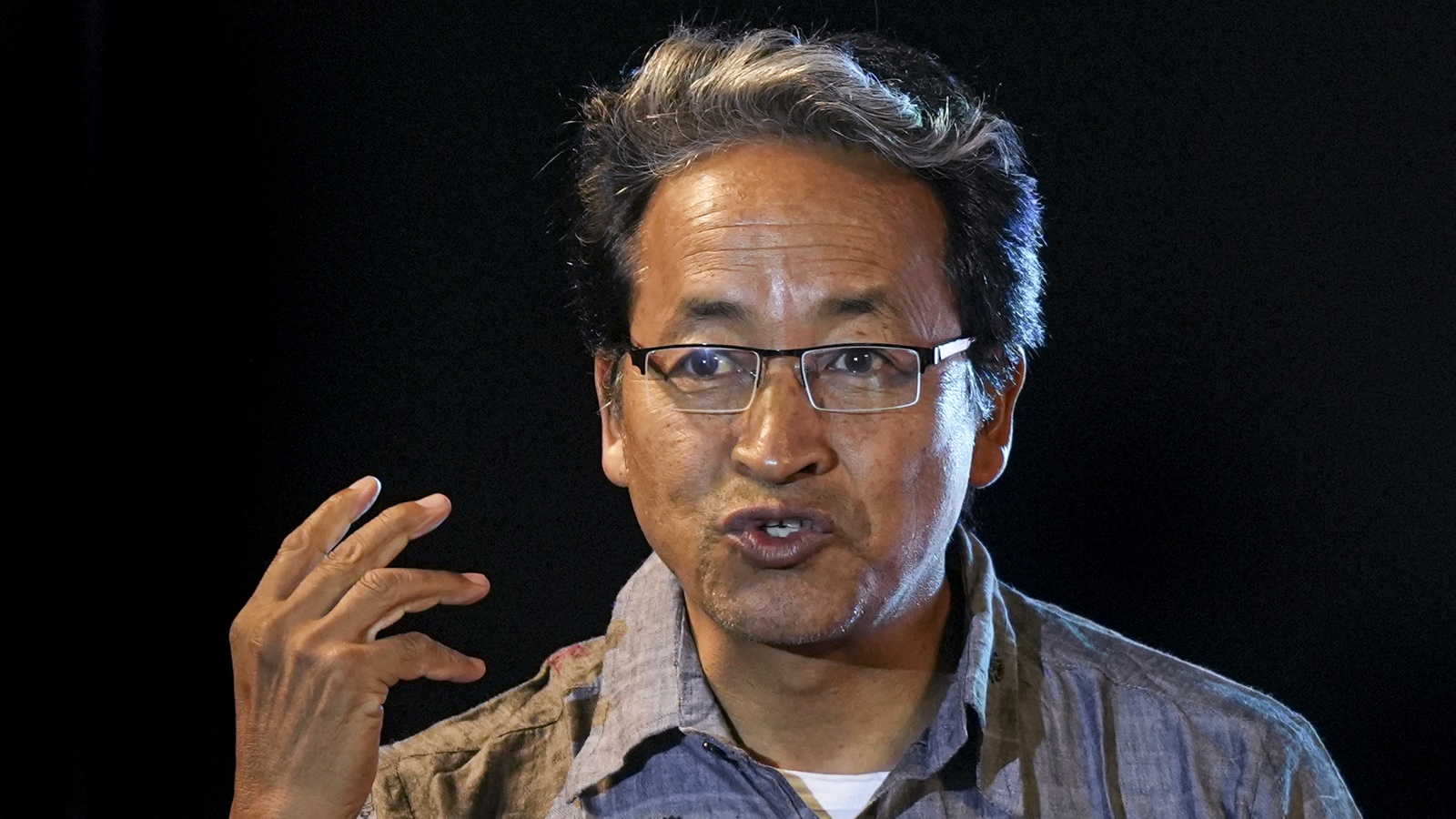
A day after Ladakh activist Sonam Wangchuk compared the situation in Ladakh to China’s treatment of Tibet in a speech in Leh, the Central Tibetan Administration expressed “deep concern” over his remarks.
In a post on X on Friday, Tenzin Lekshay, spokesperson for the CTA, said comparing the situation in Ladakh with that of Tibet was “misplaced and inaccurate”. “His statement doesn’t reflect the real situation inside Tibet. Tibet continues to remain under China’s authoritarian rule, where Tibetans face systematic repression of their fundamental rights, religious freedom, and intensification of measures aimed at erasing its distinct cultural identity,” he said.
Wangchuk made the remarks on Thursday, addressing a gathering in Leh on the first anniversary of the violence in which four civilians were killed in police firing. He said: “Ladakh chose India for its democracy…. We chose India so we could live here with our heads held high. Aisa zulm kiya ja raha hai Ladakh par jo cheen Tibet par nahin kar raha hai (Ladakh is being suppressed in a way that even China is not doing in Tibet).”
Wangchuk made the remarks while talking about the fear among people in Ladakh over the past year. He also sought Amit Shah’s resignation, blaming him for what he termed a “massacre” in Ladakh.
On Friday, Wangchuk sought to explain his comparison. “Some people have asked me if it’s appropriate to compare the September 24th brutal killings in Leh last year with Chinese repression in Tibet. I don’t blame them, for they don’t know what happened that day in Leh since there was a total internet blackout for weeks,” he said.
He also posted a video on Friday evening, purportedly showing police violence during his 14-day hunger strike last year.
“I understand the sufferings of Tibetan friends and have always opposed Chinese repression, but if you had seen what people in Leh went through on that unfortunate day, you might not disagree. Although Ladakh has always been happy and prosperous in India, the last six years have been different and last year was the worst,” he said.
Story continues below this ad
He further stated that in a small town of 20,000 people, “four were killed brutally, one died by suicide, 80 [were] injured, [and] 75 arrested with charges like attempt to murder”.
“And it was all done without any firing orders in what’s believed to be a stage-managed violence. While in Delhi, Parliament came to a halt demanding Amit Shah’s resignation for use of pellet guns and lathi charge at Jantar Mantar… Shouldn’t he resign for this?” he asked.
The violence took place on September 24 last year during protests in Ladakh. It subsequently stalled the dialogue between the MHA and representative groups from the region. Wangchuk was booked under the National Security Act and incarcerated in Jodhpur for six months on charges of instigating the protests.
His remarks on Thursday came days after the Centre proposed a constitutional provision under Article 371(K) to extend additional protections to Ladakh. The proposal was discussed during a meeting of the sub-committee with the MHA earlier this month on greater democratic representation and constitutional protections for the region.
Story continues below this ad
Separately, this week, Ladakh Lieutenant Governor Vinai Kumar Saxena announced the withdrawal of criminal cases against 20 of the 87 people booked in the aftermath of last year’s violence. Quashing the cases has been a key demand of representatives who have been part of the dialogue with the Centre.

Naveed Iqbal is a Senior Assistant Editor at The Indian Express, and reports from Jammu and Kashmir. With a career spanning over 15 years in frontline journalism, Naveed provides authoritative reporting on the region’s transition, governance, and the socio-political implications of national policies. Expertise Regional Specialization: Based in the Srinagar and New Delhi bureaus, Naveed has spent over a decade documenting the unique challenges of Jammu and Kashmir. Her reporting is distinguished by deep contextual knowledge of the region's post-Article 370, statehood debates, and local electoral politics. Key Coverage Beats: Her extensive body of work covers: Politics & Governance: Tracking the National Conference (NC), PDP, and BJP dynamics, including in-depth coverage of J&K’s first Assembly sessions and Rajya Sabha polls following the reorganization of the state. Internal Security & Justice: Providing rigorous reporting on counter-insurgency operations, terror module investigations, and judicial developments involving political detainees and constitutional rights. Education & Minority Affairs: Highlighting systemic issues such as quota rows in J&K, public service commission reforms, and the challenges faced by minority communities. ... Read More
KioskNews shows a cleaned-up reading view extracted from the publisher’s page — the original always lives on their site, not ours.