Teach inter-civilisational history to counter intolerance, scholar says
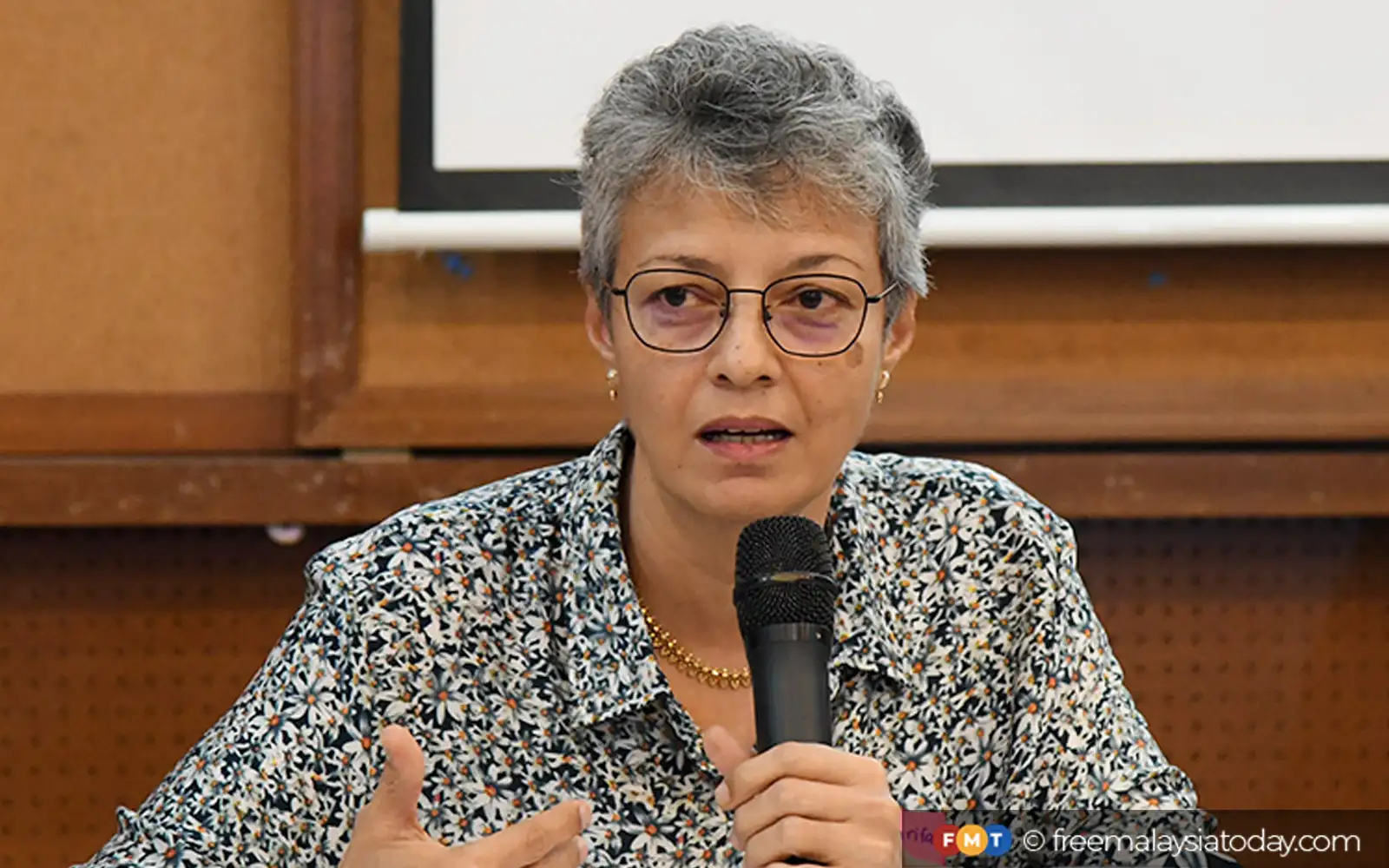
An independent scholar has called for the introduction of inter-civilisational history in primary schools, saying it could foster patriotism, instil pride in the nation’s shared history, and help curb intolerance among students.
According to Sharifah Munirah Alatas, inter-civilisational history focuses on how different cultures and civilisations interact.
She said one way to instil patriotism and a sense of pride in the nation is through learning about other civilisations and the collective identities they developed, noting that such an approach is largely absent from primary and secondary schools.
“Great civilisations existed and thrived because they embraced diversity,” Munirah told FMT, adding that there is a need to consistently draw on what other cultures – especially the Chinese, Islamic, Persian, Arab and Indian – did in their past.
She was commenting on the rise in religious intolerance among schoolchildren, previously blamed on communal politics.
Munirah said students must learn how civilisations thrived, or why they dissolved, noting that a civilisation’s success or downfall has nothing to do with becoming either “irreligious” or, in Malaysia’s case, more Muslim.
She said students should also be taught about coexistence between Muslim and non-Muslim communities by pointing to periods in history when Muslims, Jews and Christians lived together peacefully under Muslim rule.
“Political institutions in these empires enabled such peaceful coexistence. Historically, Muslim leadership enabled a healthy, multicultural existence in their empires. Surely, our current Malay-Muslim leadership can do the same,” she said.
Munirah said Southeast Asia, particularly the Malay world, has long accommodated the region’s cultural, ethnic and religious diversity.
She attributed this in part to the spread of Islam through the Sufi tradition, a view that she said has been consistently advanced by several Malaysian scholars, including Syed Farid Alatas.
Munirah called for these historical experiences to be emphasised in classrooms to help children better appreciate the values of coexistence and mutual respect.
“In the context of Malaysia, relations between Muslims and non-Muslims, or Malays and non-Malays, are key to building patriotism and pride in the country,” she said.
Munirah lamented that the education ministries of both the past and present have been more invested in entrenching racial supremacy through ethnonationalist, marginalising, erroneous and mythic narratives in history textbooks.
“If we are sincere about reforms, we should change the narrative. This applies to our universities and higher education as well,” she added.
She said the government must also reform the teaching profession, as educators, including headmasters, play a vital role in implementing progressive thinking and habits.
Separately, former deputy unity minister Ti Lian Ker said he was not surprised by Puncak Borneo MP Willie Mongin’s concerns about religious and ethnic intolerance among primary school children.
Ti said Willie’s concerns should prompt the government to ask if the country’s education system and social environment are adequately preparing the next generation to coexist in a multicultural nation.
“Something is definitely wrong with our system when we no longer emphasise tolerance and acceptance,” he said, adding that it also reflected a failure by the education system to impart the values espoused by the Rukun Negara.
“A government committee should be set up to look into this trend and recommend measures to nip this problem in the bud,” he said.
Ti also said Willie’s comments refuted claims by some quarters that vernacular schools were to blame for deepening divisions in society.
Subscribe to our newsletter and get news delivered to your mailbox.
KioskNews shows a cleaned-up reading view extracted from the publisher’s page — the original always lives on their site, not ours.