Money laundering worldwide hits $6 trillion
Countries combatting corruption and financial crimes discuss results at IMF-World Bank meetings
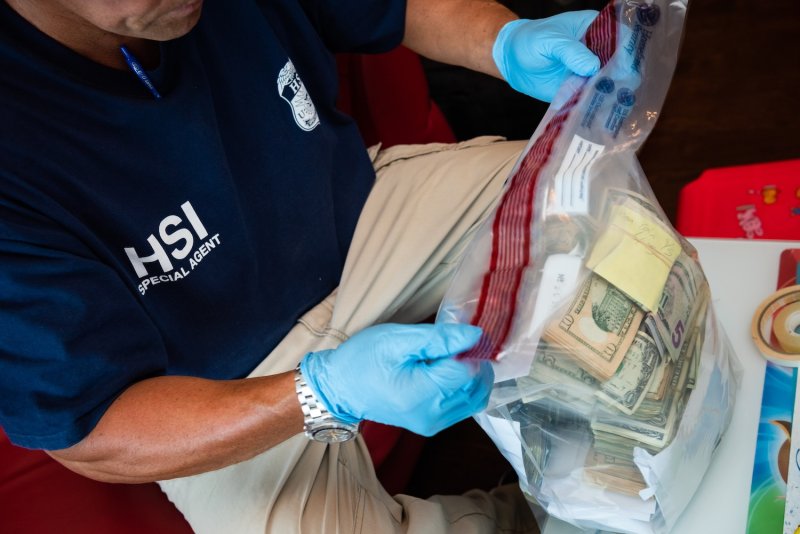
Corruption can reduce real GDP per capita growth by 3% for up to two years, while money laundering amounts to as much as US$6 trillion annually worldwide, according to the International Monetary Fund (IMF).
Case studies of efforts to combat corruption and money laundering were presented at the 2026 Annual Meetings of the IMF and World Bank Group on Wednesday.
Yan Liu, general counsel and director of the legal department at the IMF, said the fund addresses vulnerabilities that can undermine economic performance, governance and financial stability in member countries.
An estimated $6 trillion is laundered globally each year, she said, adding that emerging technologies and artificial intelligence (AI) are creating new challenges for financial oversight. (Story continues below)

Emerging technologies and AI are creating new challenges for financial oversight, says Yan Liu, general counsel and director of the legal department at the IMF.
Case studies
Namibia and Sri Lanka were cited as examples of countries that had exited the Financial Action Task Force (FATF) grey list after reforms to strengthen their anti-money laundering and counter-terrorist financing frameworks.
Epson Wanguta, governor of the Bank of Namibia, said his country had completed the process within two years by strengthening national frameworks and maintaining a sustained commitment to tackling corruption.
Namibia underwent nearly 12 months of monitoring and worked with the IMF’s Anti-Money Laundering and Anti-Corruption Thematic Fund (AMLAC) to assess its legal framework and operational effectiveness, identifying institutional gaps that needed to be addressed.
The cabinet endorsed a comprehensive national action plan, implemented through a coordinated structure led by a national focal committee.
The committee brought together policymakers, anti-money laundering and counter-terrorist financing supervisors, law enforcement agencies, prosecutors, the Financial Intelligence Centre, reporting institutions and other relevant authorities.
During the 12-month observation period, Namibia strengthened its legislative framework by amending about nine laws and introducing four new ones. It also sought to improve supervision, beneficial ownership transparency, financial intelligence, investigations, prosecutions and cooperation between agencies.
Mr Wanguta said IMF technical assistance had been instrumental in turning legislative reforms into practical results. The support focused on equipping prosecutors, financial intelligence units and supervisory agencies with the necessary expertise, technology and coordination mechanisms to deliver measurable, lasting improvements.
Nandalal Weerasinghe, governor of the Central Bank of Sri Lanka, also highlighted his country’s progress in exiting the FATF grey list.
Thailand was removed from the FATF grey list in 2013 after the Anti-Money Laundering Act BE 2556 and the Counter Terrorism Financing Act BE 2556 took effect.
KioskNews shows a cleaned-up reading view extracted from the publisher’s page — the original always lives on their site, not ours.