The rainfall England needs between now and April to escape drought, according to experts
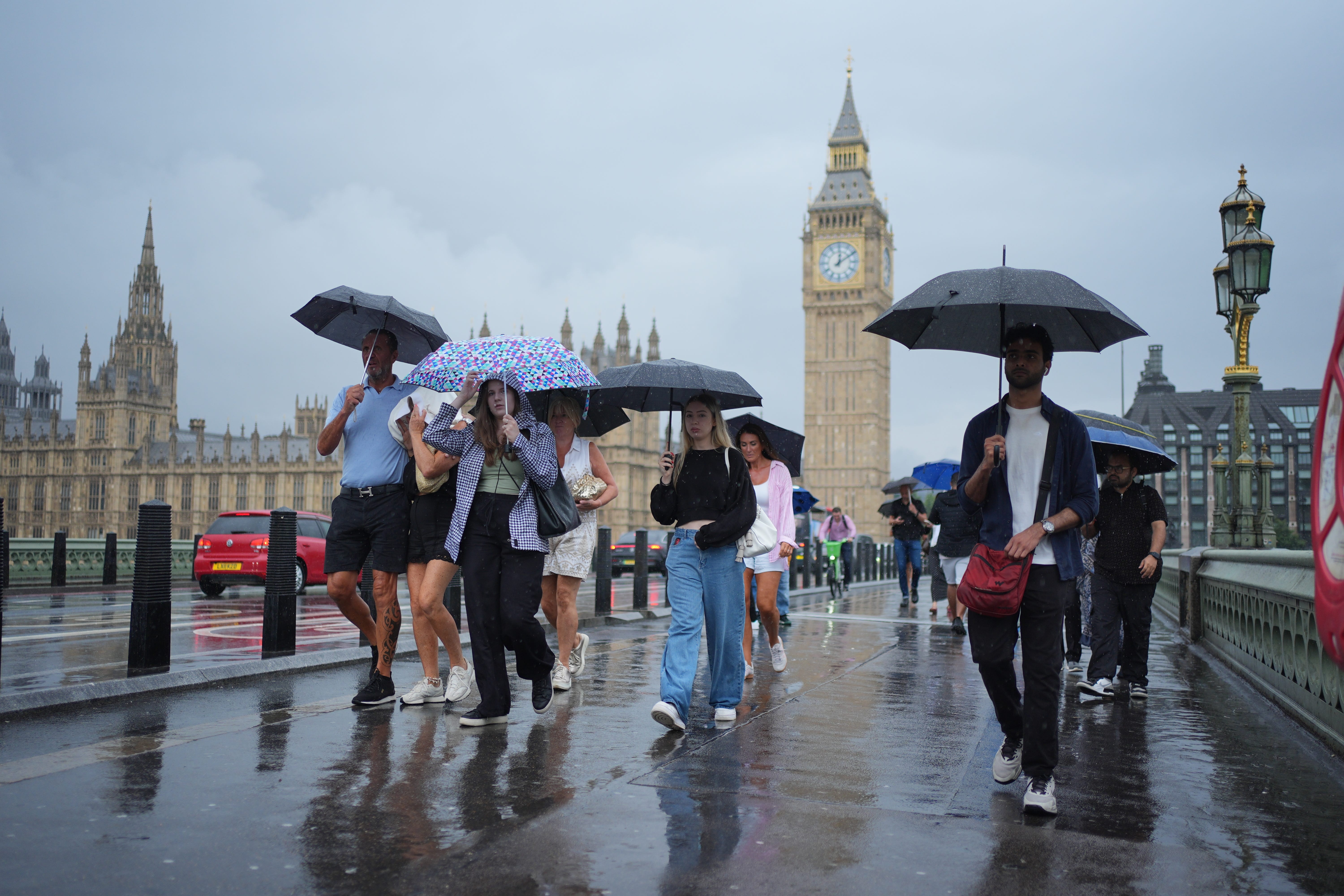
Storm Austen and Storm Boelo swept across the UK in quick succession. Rain lashed windows, river levels rose and the clocks went back. It feels like winter has arrived all at once.
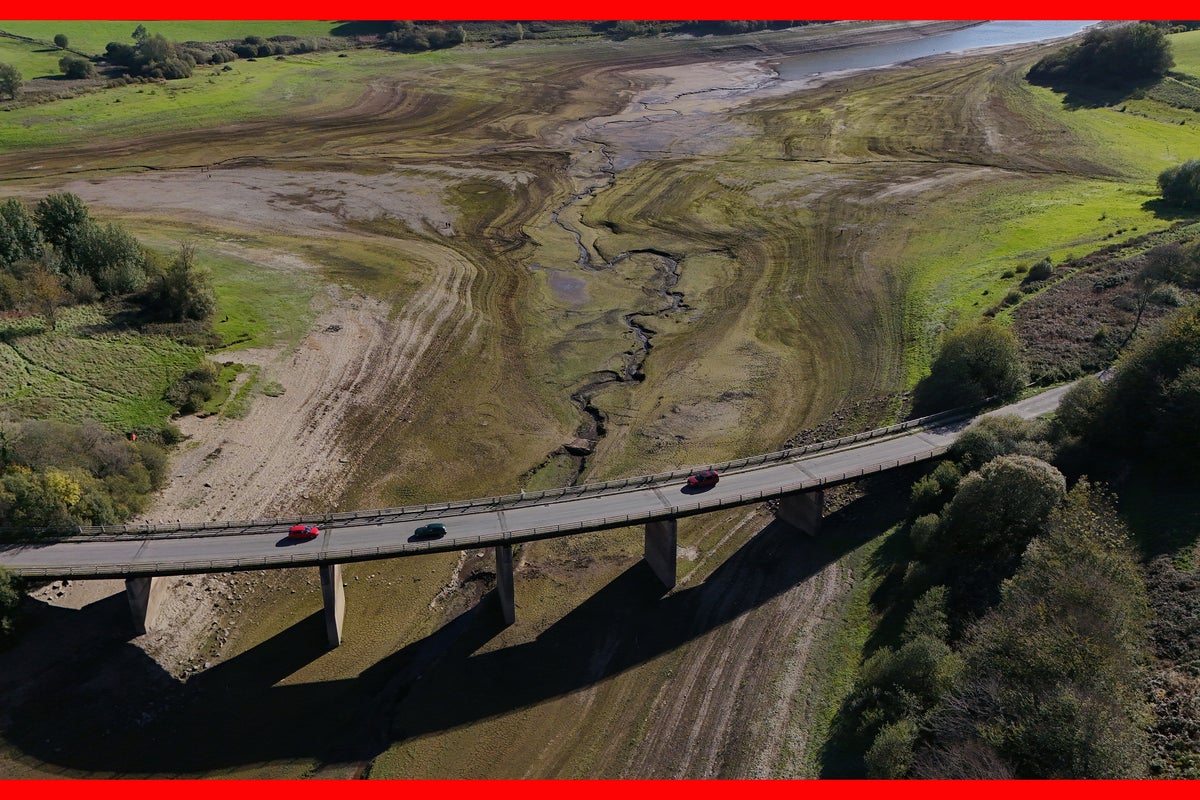
Yet most of England and Wales are still in drought. Parts of Cornwall, Devon, Dorset, Somerset and Sussex are in severe drought, the highest level the Environment Agency can declare.
South-west and south-east England have had their driest April to September in over 100 years.
But how can this be when it is cold, dark and pouring with rain? Drought tightens or loosens its grip over months, not just a few days.
It will be the rainy or dry nature of the months ahead that will decide whether the drought ends, or more worryingly, if it stays into next summer.
Winter should fill the tank
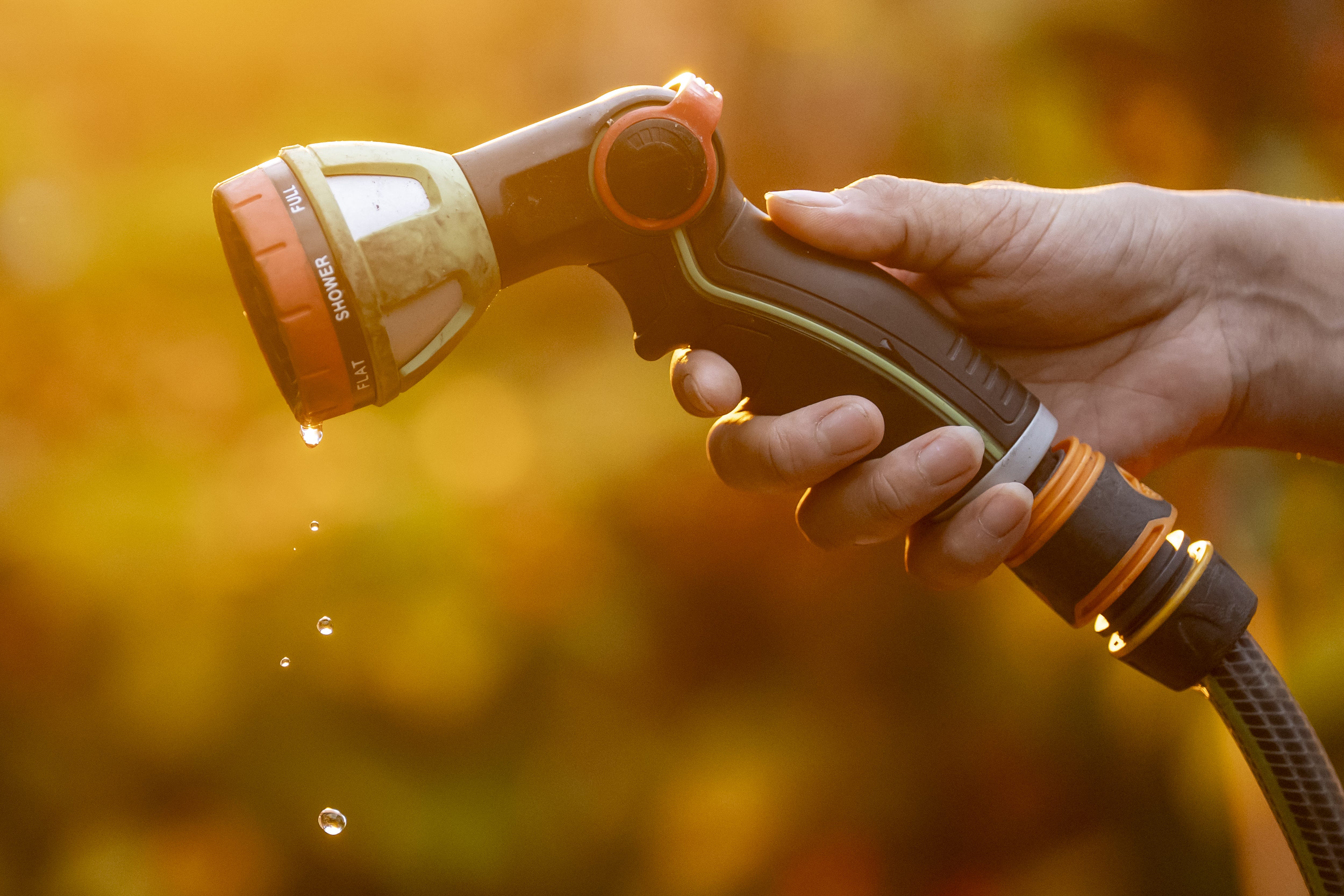
Summer droughts grab the headlines and public attention. When we have a dry period over the summer it’s everywhere, with brown lawns, hosepipe bans and cracked reservoir beds.
But winter is when the UK refills its water stores.
Between October and March, with shorter and colder days, less water evaporates and plants drink far less, so rain finally has the chance to refill our reservoirs.
Rain can soak deep into the ground to top up groundwater, the water held in chalk and sandstone rocks beneath our feet, like a giant sponge.
Groundwater supplies much of the drinking water in southern and eastern England, but it fills slowly, over months and years.
Think of it like a bank account. A hot summer is a big splurge with lots of withdrawals. But a dry winter means the deposits needed to repay that spending never arrive.
That’s why a dry winter can do more damage to our water supplies than a heatwave.
This year the account is badly overdrawn. Southern England has just had its driest April to September in more than a century, alongside record summer heat.
The Wimbleball reservoir on Exmoor, which supplies around 400,000 people, was full in March, after an extremely wet winter.
Then the weather shifted from wetter than normal to dryer than normal. By October, water levels at Wimbleball were down to about 13%.
How unusual is a winter drought?
Droughts that carry on into winter are rare in the UK. Usually the autumn rain arrives, soil gets wetter and water stores recover by Christmas. Every instinct suggests that a stormy autumn should fix things.
In the 2010 to 2012 drought, two dry winters in a row left groundwater in south and east England so low that hosepipe bans came in during spring 2012. Then the wettest April on record arrived, and parts of the country swung from drought to flood within weeks.
What stands out now is how quickly droughts are stacking up. This is the third drought in England in five years. The stores barely have time to recover before the next one begins.
England and Wales can be in drought and experience flooding simultaneously. After months of dry weather it takes a lot of rain to wet the ground all the way through. Storms such as Boelo and Austen bring bursts of heavy rain.
Drains are overwhelmed and rivers rise quickly, sometimes spilling out onto their floodplains. But the reservoirs and groundwater that supply our taps respond far more slowly, and need lots of water to fill up.
So the type of winter rains make a big difference.
Floods can hit fast. But the key parts of the water cycle are slow.
About the author
Rain has to wet the soil all the way through before it can trickle down into the rock, and groundwater can take months to respond. The Environment Agency estimates England needs around 120% of normal rainfall between September and April for every area to come out of drought.
We would need half a year with consistently more rain than we would expect at this time of year to break this drought.
If rain falls short across the whole winter, then England could start next summer in drought, with even less room for manoeuvre.
Will winter droughts become more common?
But climate scientists don’t expect there will be a dry winter every year, either now or in decades ahead as fossil fuel burning continues to heat the planet.
Climate projections suggest UK winters will get wetter on average. But averages can hide the danger.
Summers heated by the burning of fossil fuels dry out the soil and drain reservoirs faster, leaving a bigger hole for winter to fill. Winter rain is increasingly arriving in heavy bursts that are harder to capture and more likely to flood. And natural swings in the weather will still deliver dry winters from time to time.
Put those together and the chance of a drought rolling into winter, or across two winters, goes up. This is a trend that will keep getting worse as long as we keep heating the planet.
Preparing starts with how we think about water. It is precious, not endless. Yet we have built a system that lets a wet winter rush away to the sea, then rations what is left through a dry summer.
As with other parts of the UK’s water system, we are paying the price now for years of chronic underinvestment.
Water companies need to move much faster on fixing leaks, which still waste billions of litres every day. New reservoirs are being planned in England, which will help deliver more storage. But they will take more than a decade to build, cost billions of pounds, and cannot be the whole solution.
There is also a low-tech local answer, that would need regulation and a programme of retrofitting to make a big difference. Rainwater harvesting and water reuse in new and existing homes, sustainable drainage in our towns, and encouraging wetlands and floodplains that hold water like a sponge.
Changes to our landscape and homes can help prevent both problems.
Each of us can help. Take shorter showers, ask your water company about a meter and and fit a water butt to catch rain for the garden. These habits add up.
Autumn storms have started to replenish water reserves, but it’s not the finish line. We also need to get ahead of what is likely to happen in years to come.
KioskNews shows a cleaned-up reading view extracted from the publisher’s page — the original always lives on their site, not ours.