'Mother building better future, father fighting cases': Supreme Court reverses custody order
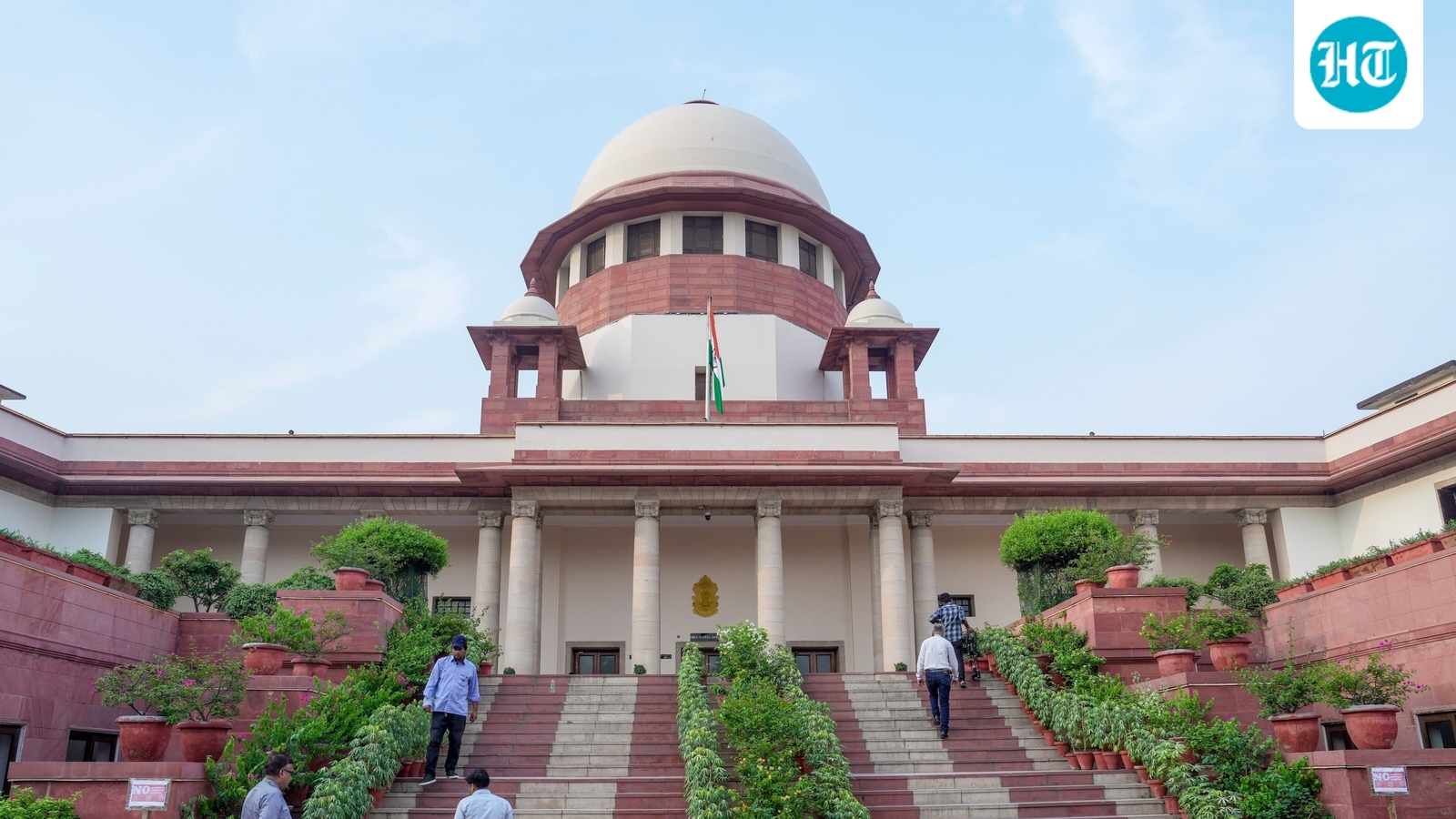
A mother’s determination to build a better career and secure a financially stable future for her children has helped her overturn a custody order in favour of her estranged husband, who, the court criticised for, devoting his energies to prolonged litigation instead of improving his own financial position.
The Supreme Court has permitted the woman, an academic with a Ph.D in engineering, to take her two children to the United Kingdom, where she has secured a teaching job, and enroll them in a school there.
“The efforts made by the appellant-mother even while contesting the multi-pronged litigation to pursue different jobs and thereby ensuring financial security for herself and for the children is indeed appreciable and weighs heavily in her favour for claiming custody of the children. The mother’s efforts exhibit her resolve and committed approach for securing the children’s future prospects,” noted a bench of justices Vikram Nath and Sandeep Mehta in a judgment last week.
Also read | SC allows child to take stepfather’s name, grants mother exclusive custody
The judgment arose from a custody dispute that had continued for more than seven years. The couple married in 2011 and separated in 2018, when the woman was four months pregnant. She subsequently raised both children, a son now aged about 13 and a daughter aged about seven.
After leaving the matrimonial home, the mother took up jobs at different institutions to support herself and the children. She initially joined IIT Jodhpur and later worked at VIT University, Vijayawada, before moving to Bengaluru. The mother said she had been compelled to change jobs because of difficulties created by her estranged husband, including numerous RTI applications and complaints to her employers.
Previous court orders viewed these moves as evidence of a “nomadic life” and granted sole custody to the father. They also rejected her request to relocate the children to the UK after she secured a lecturer’s position at the University of Hull, with a monthly salary of approximately ₹3 lakh.
Also read | SC rejects presumption of child sale, orders custody to adoptive parents in Telangana
The Supreme Court rejected that characterisation of the mother’s efforts. It said that after leaving the matrimonial home, she had been trying to “cement her position in the academic world” while ensuring a secure future for herself and her children. “Having taken the conscious decision to leave the matrimonial home, the appellant-mother was rightly concerned for the wellbeing of her son and the subsequently born daughter,” it emphasised.
The court noted that the mother had pursued different jobs despite facing “multi-pronged litigation” and had secured better prospects for the children. The father, it said, appeared to have channelled his energies into litigation rather than seeking better career opportunities to meet the children’s future educational needs.
The court also took note of a criminal case under the Protection of Children from Sexual Offences Act pending against the father after the son disclosed allegations of sexual abuse before a psychiatrist at NIMHANS. A chargesheet was filed after investigation. The Supreme Court said that while the prosecution was pending, granting custody to the father would be “totally unwarranted and unjustified”.
Also read | Supreme Court approves return of child to father in Canada after six years
The court relied on the children’s stated wishes and counsellors’ reports, which recorded their reluctance to interact with their father during visitation sessions. It said the children’s safety, emotional well-being and best interests could not be subordinated to the father’s claim for custody.
The Supreme Court also rejected the argument that relocating the children to the UK would sever them from their Bengali cultural roots. There could be no presumption, it said, that moving to another country would cause children to lose their cultural values.
'Grandparents’ income not father’s income'
The court made it clear that the income or pension of the father’s parents could not be treated as part of the father’s financial capacity while deciding custody.
The father earned approximately ₹17,000 a month as a part-time lecturer, while his parents jointly received a pension of about ₹1 lakh. The court said the pensionary income of the grandparents could not be regarded as supplementing the father’s obligation to meet the children’s educational and other needs.
“Meeting these requirements is the primary duty of the parents themselves,” held the court, adding that the grandparents’ pension could not fill the gap in the father’s financial standing.
The court made its earlier stay on the lower courts’ custody orders absolute and permitted the mother, for the present, to take the children to the UK and admit them to a school there. She must file details of their schooling within six weeks and undertake to produce them before the court whenever required. The case will next be heard in January 2027.
KioskNews shows a cleaned-up reading view extracted from the publisher’s page — the original always lives on their site, not ours.