New Blade Runner Meets Wes Anderson Sci-Fi Movie Wastes Its Masterpiece Potential

Brandon Zachary is a Lead Writer for Screen Rant's New Movie Team. He also writes or has written for Comicbook.com, CBR, That Hashtag Show, Just Watch, and TVBrittanyF. Brandon is an Emerging Screenwriters Semi-Finalist, co-writer of a Screencraft Quarter-Finalist, a seasoned on-screen interviewer, and a MASSIVE nerd. You can reach him at bs.zachary@gmail.com
The following contains spoilers for Klara and the SunKlara and the Sun is a frustrating sci-fi film because of how good it could have been. Directed by Taika Waititi, the film focuses on a sickly teenager who forms a bond with her "artificial friend," a robot designed like a teenage girl named Klara. The narrative teases a lot of interesting emotional beats that could have been used to interrogate the nature of the soul and the power of love.
However, the film's uneven tone leaves the characters as frustratingly one-note. Klara and the Sun could have been Klara and the Sun is a frustrating sci-fi film because of how good it could have been. Intended to be Taika Waititi's Blade Runner by way of Wes Anderson, it has good pieces. However, the inconsistent nature of the movie's tone results in a frustrating film that never reaches its actual potential.
Klara And The Sun Had So Much Potential
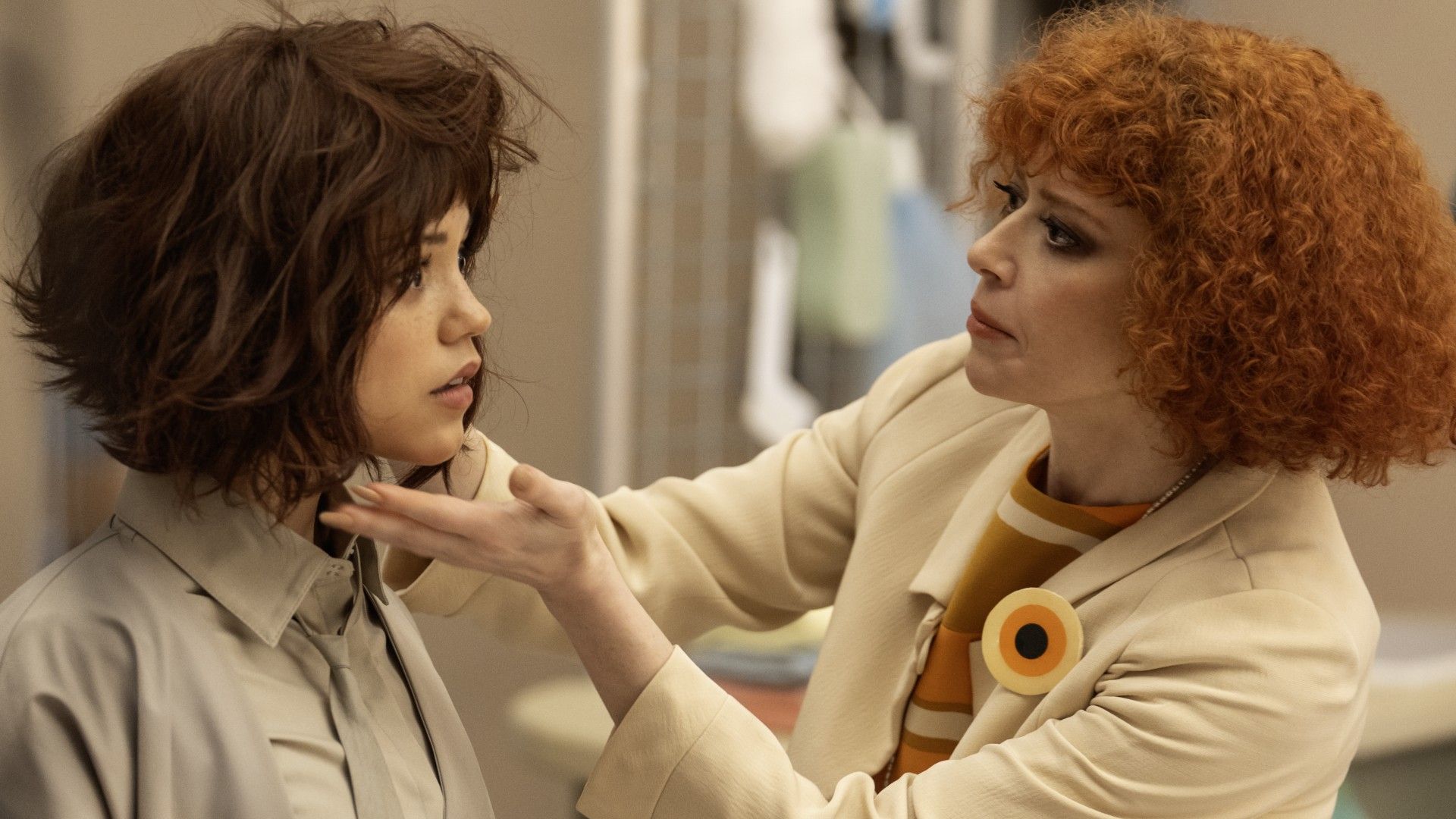
Klara and the Sun touches on some fascinating ideas about the nature of life, love, and faith in its portrayal of the titular robot. Klara has an innate strangeness to her that makes her stand out from the other machines like her. It's never revealed what the source of this quirk is, only that it exists just within her. Jenna Ortega has fun with the character, but never quite lands the character right.
This quality helps her stand out to Josie, setting off the film's central dynamic and rooting it in their individual quirks even as Klara's naivety and Josie's temperamental attitude eventually butt into each other. There are interesting ideas in the film that the story never fully unpacks, whether that's a robot praying to a divine figure or the question of whether a machine can fear a loss of self that it wouldn't even remember after being wiped.
The film takes cues from sci-fi tropes and the source material to set up a fable about identity and the soul, but it loses track of itself repeatedly and never really engages with the full weight of those ideas. Instead, the film stumbles over its mishandled tone and whimsical execution, letting both distract the film from ever really having to engage with the full weight of the story.
The idea of a robot having a crisis of faith while contending with the full impact of morality is a compelling concept, one that the film is perfectly positioned to play with. However, after establishing a wacky tone in the robot store, the movie never quite escapes that mode and fails to fully connect emotionally.
The Taika Waititi Problem With Klara And The Sun

Starting off, Taika Waititi is a great filmmaker. His work both behind and in front of the camera has been terrific, with movies like Jojo Rabbit and Hunt for the Wilderpeople highlighting his skill at blending genuine pathos with vibrant worldbuilding and quirky comedy. On paper, he seems like an ideal person to tackle Klara and the Sun, giving a post-apocalyptic world a Wes Anderson-style burst of color and personality.
However, that winsome approach doesn't quite match the more intriguing philosophical or complex emotional elements of the story. It sands everyone down to be sillier, leading to antagonism from Josie's mother and caretaker to resolve itself in the course of a single scene.
There's a resulting lack of depth to the characters that feels frustrating when they're otherwise given the bones of something compelling. Klara's faith is never really engaged with, with her greatest moment of doubt leading to an act of well-intentioned but misguided self-harm. It's never questioned or examined on a deeper level, just treated as something that happens.
The same can be said for the emotional arcs of the film, which are typically resolved in one scene or even largely off-screen. Too often, Taika wants to make an emotional moment also be silly and vibrant, but that impulse leans so far into the latter two ideas that it loses sight of the first.
This leaves character arcs to be finished off-screen or resolved with a shrug. There are funny bits and some snappy dialogue in the film, but Klara and the Sun suffers overall as a story when it's main emotional arc is more or less an afterthought to the presentation. Conflict is resolved quickly, arcs completed without much work. It leaves plenty of room for jokes, but keeps the movie from landing emotionally.
I Really Wanted To Like Klara And The Sun

Waititi gives Klara and the Sun an almost Roald Dahl-esque palette, with bright fields and distinctive locations. It's part of the film's overall fairy tale vibes that, if it had landed right, could have made it a deeply effective film. However, the best fairy tales are broad enough to be universal, with central themes front and center while the world around the characters keeps the audience entertained.
Klara and the Sun wants that, but it also wants to give characters emotional throughlines and a quirky sense of humor. Each of these drives bounces off the others instead of blending together. Emotional moments like Klara being introduced to death through the fate of Scarecrow are immediately undercut by a deadpan joke and a silly explosion.
The emotional conflict between Josie and her mother, the central conflict of the movie even as Josie's illness gets worse, is dealt with in a single conversation and with a sunrise. Even the ambiguity of the ending, a good way to reinforce the film's themes about the enduring power of love in the face of life's mysteries, is undercut by the inexplicable return of Klara's robot friends at a beachside retirement.
The pieces are all there with Klara and the Sun. The cast is willing to go big in terms of raw emotion and wacky turns, while Waititi's sly observations about society work (and would work better in a film tailored for those elements). Instead, Klara and the Sun gets constantly distracted from itself, leaving it a movie with a big open heart but not a lot to actually say about it.
KioskNews shows a cleaned-up reading view extracted from the publisher’s page — the original always lives on their site, not ours.