Police officer asked AI to write victim statement ‘to make judge weep’

AI was used by a police officer to create a personal victim statement to “make a judge or reader weep” and for it to achieve the “highest sentence”, the Court of Appeal has heard.
The statement was used in the conviction of Jerome Gibson, 23, who admitted kicking a door down and threatening his partner with a knife in May 2024.
In a separate incident, he admitted causing grievous bodily harm to a police officer after barging into him while fleeing and dislocating his shoulder.
He was given 44 months in prison for all offences at Nottingham Crown Court last year and he appealed against this sentence at the Court of Appeal in London.
Lucky Thandi, for Gibson, said at a hearing on Tuesday that a statement presented as being written by Gibson’s partner, referred to as F, “had been computer generated by the officer in the case”.
She said this led the judge in Nottingham to place greater weight on the harm caused.
However, judges at the Court of Appeal said it did not make any difference to the overall sentence and rejected Gibson’s appeal.

Ms Thandi said the officer had made “multiple entries” into Microsoft Copilot while “intending the reader to be tearful”.
She said: “It does make powerful reading and it is plain from the material that has been provided to the appellants and those who instruct me, that this particular officer had made great efforts to ensure that the victim personal statement had read as powerfully as it possibly could.”
Denis Barry, for the Crown Prosecution Service, said the previous judge would have seen a variety of statements and was experienced enough to know what to focus on to give the proper sentence.
He said: “Everyone in court would agree that facts in criminal cases speak for themselves and they do not require exaggerated language in criminal proceedings.
“The conduct of the officer is concerning, not so much because of the use of technology, but it displays a use of evidence-gathering that is concerning.”
He added: “The officer has been removed from frontline duties.”
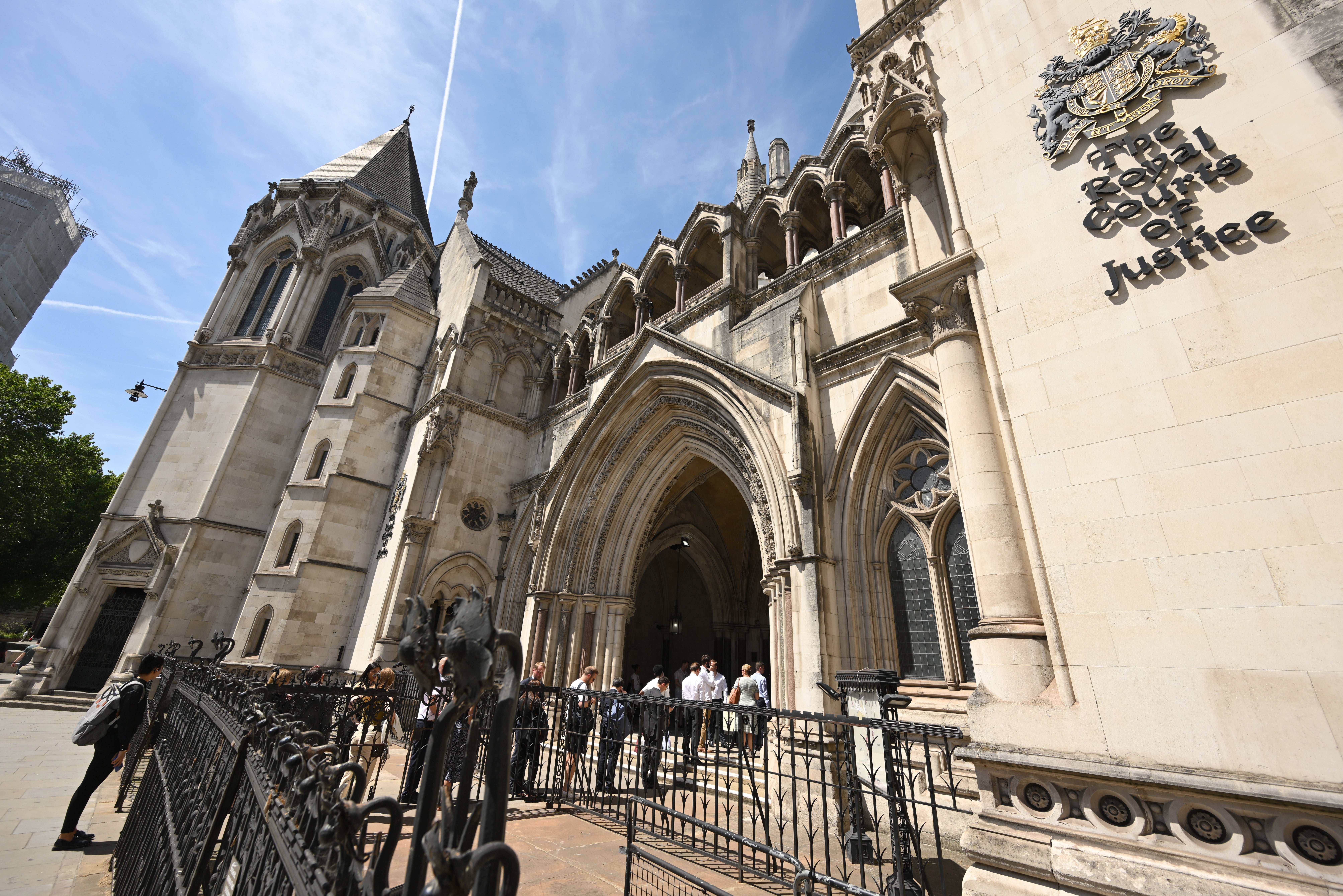
Mr Justice Lavender, sitting with Lord Justice Edis and Mr Justice Linden, said the officer had instructed AI to create “the most impactful personal statement”.
The officer was said to have told it: “I want you to create it so that it meets the higher harm category.”
The judge also said he told the AI that its “goal is to reach the highest sentence” and instructed it “to make a judge or reader weep”.
However, Mr Justice Lavender said that the facts the previous judge relied on to reach the sentence had not been hallucinated.
He said: “These facts were not AI-generated hallucinations but things F had stated in her interview.”
He added: “It does not appear that the use of AI, deplorable though it is, caused the appellant’s sentence to be any longer than it otherwise would have.”
The judge continued: “We do not consider that the total sentence was manifestly excessive.”
KioskNews shows a cleaned-up reading view extracted from the publisher’s page — the original always lives on their site, not ours.