Andy Warhol’s lost digital art recovered from floppy disks nearly 30 years later
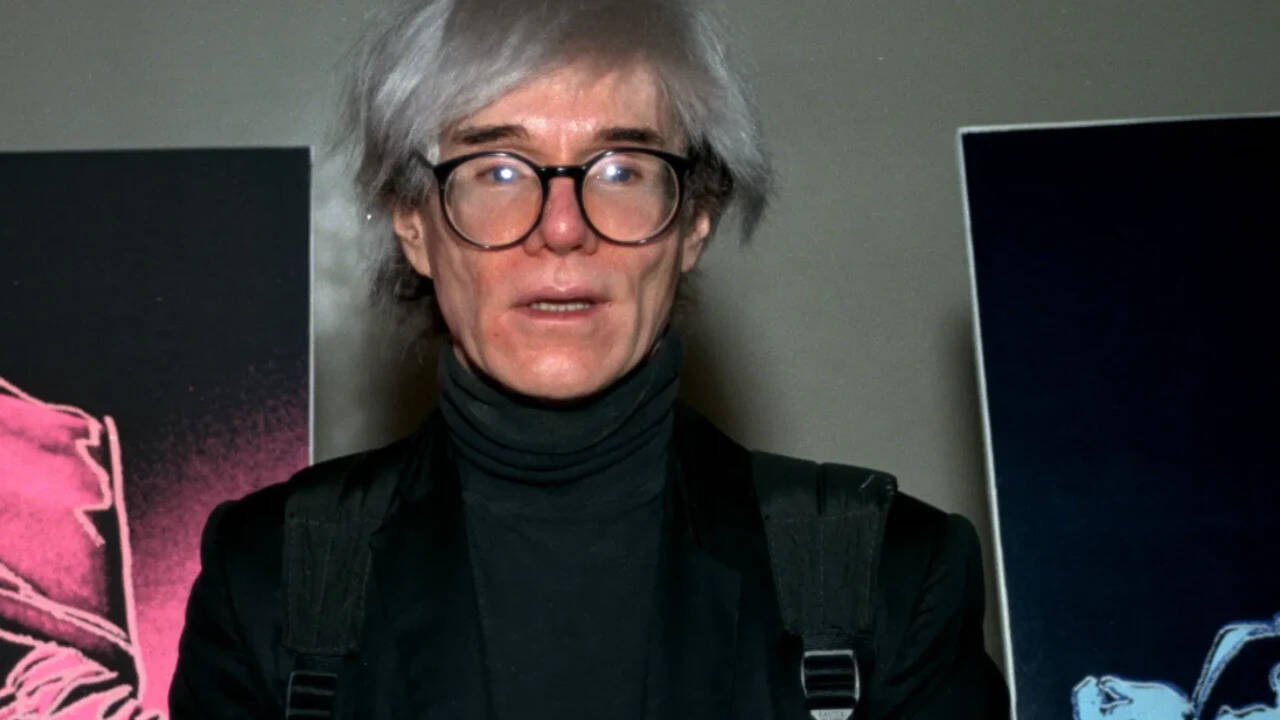
Warhol used the Amiga to explore how his familiar artistic style could work in a new digital medium.
In 1985, Andy Warhol experimented with digital art on an Amiga computer as part of a commission from Commodore International. Nearly 30 years later, researchers recovered 28 previously unseen digital images created by the artist from floppy disks stored in the archives of The Andy Warhol Museum.The images had remained inaccessible because the files were saved in an obsolete format, according to The Andy Warhol Museum. Members of the Carnegie Mellon University (CMU) Computer Club worked with museum staff, artists and researchers to recover the data from the ageing floppy disks.Warhol, who earned a bachelor’s degree in fine arts from Carnegie Mellon University in 1949, used the Amiga to explore how his familiar artistic style could work in a new digital medium.
The recovered works include experiments with Campbell’s soup cans, Botticelli’s Venus, Marilyn Monroe, a banana and portraits.The recovery project began after artist Cory Arcangel, who described himself as a "Warhol fanatic and lifelong computer nerd", learnt about Warhol’s Amiga experiments through a 1985 Commodore infomercial available on YouTube. His interest eventually led to a collaboration involving The Andy Warhol Museum, Carnegie Museum of Art, Carnegie Mellon University and the CMU Computer Club.
How the forgotten files were recovered
Arcangel first approached The Andy Warhol Museum in 2011 about restoring the Amiga hardware held by the museum and checking whether files could still be recovered from its associated disks. He later worked with Tina Kukielski of the Carnegie Museum of Art, who helped connect the project with Golan Levin, a CMU art professor and director of the Frank-Ratchye STUDIO for Creative Inquiry.Levin connected Arcangel with the CMU Computer Club, a student group known for its work with obsolete computer hardware and "retrocomputing".
The group found that even reading the old floppy disks could put their contents at risk. The recovery therefore required unusual equipment and methods.By February 2013, the Computer Club had prepared a plan for handling the fragile disks. Members then worked with Amber Morgan, collections manager at The Andy Warhol Museum, and other archivists to try to extract the data.
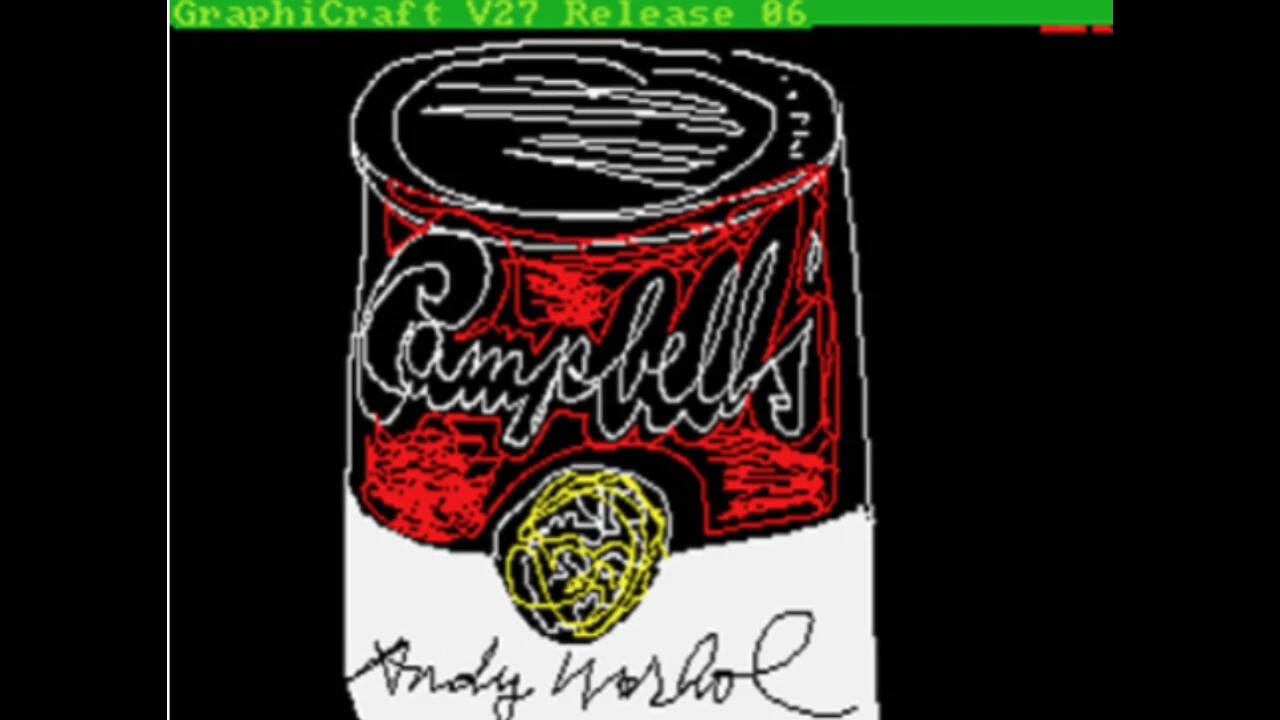
The recovered works show Warhol using digital tools to recreate subjects that were already strongly associated with his art.
At first, there was no certainty that Warhol’s artwork was still present on the disks.
Many of the floppy disks were system and application disks. However, the researchers discovered that Warhol had also saved his own data on them.The directory listings provided the first major clue. Files with names such as "campbells.pic" and "marilyn1.pic" suggested that images might still exist. But the excitement quickly turned into a technical problem because the files were stored in a format that available utilities could not recognise.The Computer Club’s forensics experts eventually reverse-engineered the unknown format. This allowed them to access 28 digital images that had never been seen before. Experts at The Andy Warhol Museum judged the images to be in Warhol’s style. At least 11 of the recovered images also carried Warhol’s signature.
Warhol’s experiments with a new medium
The recovered works show Warhol using digital tools to recreate subjects that were already strongly associated with his art.
Campbell’s soup cans, Venus and self-portraits appear among the images.Instead of traditional painting or printing methods, the works use digital processes available through the Amiga. These include pattern flood fills, palletised colour and copy-and-paste collage.The museum said Warhol’s Amiga experiments ranged from simple doodles and photographs of a desktop to digital versions of his familiar subjects. One work from the series, a portrait of Debbie Harry, was already part of The Warhol’s collection.Cory Arcangel said, "What's amazing is that by looking at these images, we can see how quickly Warhol seemed to intuit the essence of what it meant to express oneself.
KioskNews shows a cleaned-up reading view extracted from the publisher’s page — the original always lives on their site, not ours.