PM: Egypt priorities social protection amid global crisis
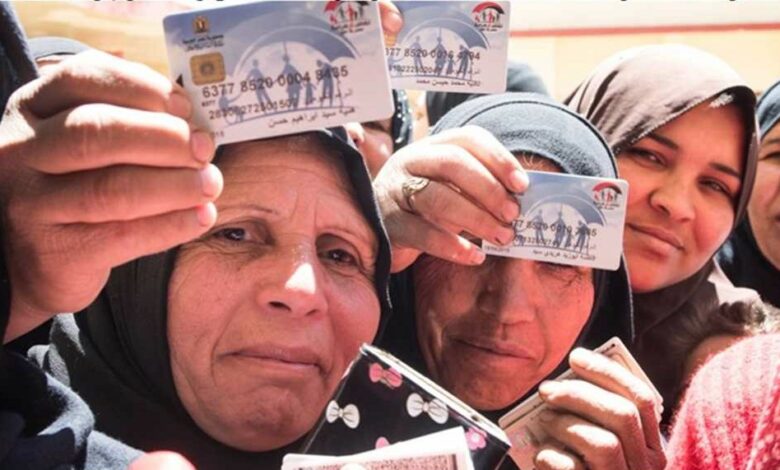
Prime Minister Mostafa Madbouly announced that securing new financial resources for social protection programs remains the Egyptian government’s top priority over the next three years, despite unprecedented global economic challenges.
Speaking at the “Egypt 2026 Forum” during a session on market regulation and effective social safety nets, Madbouly explained that structural economic reforms address decades-old issues while explicitly shielding vulnerable social groups from negative financial impacts.
Highlighting key initiatives, Madbouly noted that the “Takaful and Karama” program has aided 8.2 million families since inception.
Operating on a three-year rotational model designed to transition households into sustainable employment, the initiative currently supports 4.7 million families and will continue to adapt to economic shifts.
Addressing the planned commodity cash-support system, the Prime Minister emphasized that the government is not cutting funding or beneficiaries—who currently represent nearly 60 percent of Egyptian households. Instead, the model offers flexible cash allocations for essential goods tailored to individual family needs while factoring in inflation.
Budget allocations for food and bread subsidies have grown from LE32.8 billion in 2013–2014 to LE178 billion this year.
Additionally, healthcare and education budgets increased by 30 percent and 20 percent year-over-year, respectively, as the government seeks expanded fiscal space to accelerate nationwide rollout of comprehensive health insurance.
KioskNews shows a cleaned-up reading view extracted from the publisher’s page — the original always lives on their site, not ours.