Global warming pace accelerating, says climate scientist
Amazon, reefs and Atlantic current all close to tipping points, conference hears
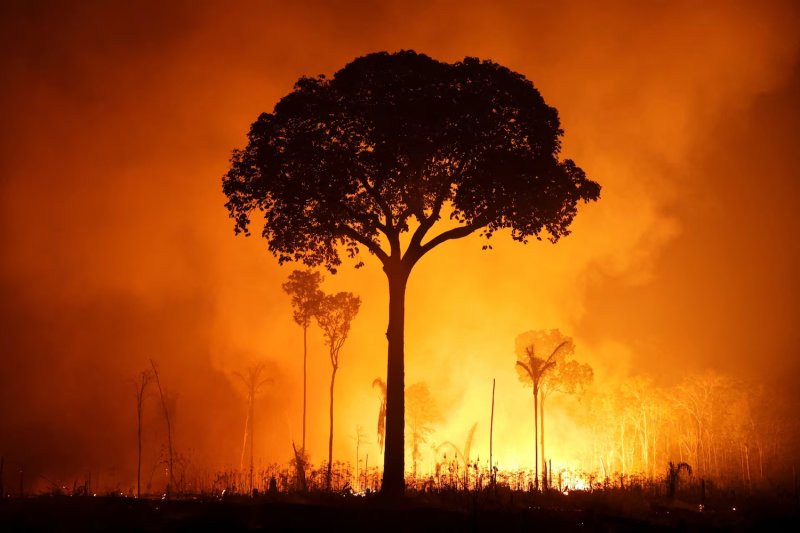
LONDON - Global warming caused by fossil fuel emissions is accelerating, pushing many of the Earth’s most important ecosystems close to their tipping points, according to a leading climate scientist.
Damage to coral reefs and the Amazon rainforest was already close to becoming irreversible, said Johan Rockström, director of the Potsdam Institute for Climate Impact Research.
Parts of the Atlantic Ocean circulation system, including the current that moderates Western Europe’s climate with warm water from the Caribbean, were close to collapse, he said at the Reuters Sustainability Europe conference on Tuesday.
The latest science confirms that in just a few years, the world will exceed an increase of 1.5 degrees Celsius in average surface temperature compared with the pre-industrial period, Rockström said.
Preventing that from happening was a centrepiece of the Paris Agreement signed by 195 countries in 2015. In the longer term, the pact called for the increase to be kept well below 2°C.
The rapid pace of warming has been increasing the frequency and intensity of extreme weather events, Rockström said, ahead of the United Nations’ COP31 climate talks starting on Nov 9 in Turkey.
Companies looking to prepare and build resilience into their operations should treat climate and nature as a single integrated agenda rather than separate issues, he said.
While prioritising efforts to decarbonise, they should also invest in helping preserve nature, particularly projects related to maintaining or rebuilding biodiversity and reserves of fresh water.
Rockström also said it was “incredibly disturbing” to see lobbying for an easing of rules on phasing out internal combustion engine vehicles, pointing to subsidies for petrol and diesel that were undermining consumer demand for electric vehicles.
Targets weakened
European Union lawmakers, meanwhile, have agreed to weaken proposed EU car emissions targets for 2035, allowing automakers to make up some of the expected shortfall by using low-carbon EU steel, according to a text of the agreement seen by Reuters.
The European Commission proposed last year that automakers cut CO2 emissions by 90% from 2021 levels in 2035, down from an earlier target of 100%. The EU executive said the remaining 10% could be offset through use of low-carbon steel and alternative fuels.
The deal among three mainstream party groups in the European Parliament sets instead a target of an 87.5% cut for cars, with a 7.5% top-up from production using low-carbon steel made in the EU.
EU countries have long championed efforts to reduce carbon emissions to try to curb global warming, but economic considerations have in recent years led to a scaling back of their ambitions.
KioskNews shows a cleaned-up reading view extracted from the publisher’s page — the original always lives on their site, not ours.