Shingles and RSV affect more than the skin and lungs respectively – they can also put the heart at risk
For older adults, cardiovascular risk may rise during the illness and persist well after symptoms have eased.
New: You can now listen to articles.

This audio is generated by an AI tool.

09 Oct 2026 09:32AM (Updated: 09 Oct 2026 09:35AM)
For 55-year-old Tad Sato, raising awareness about health is deeply personal. His mother died of cancer several years ago, and he wishes he had known more about her illness so he could have supported her better.
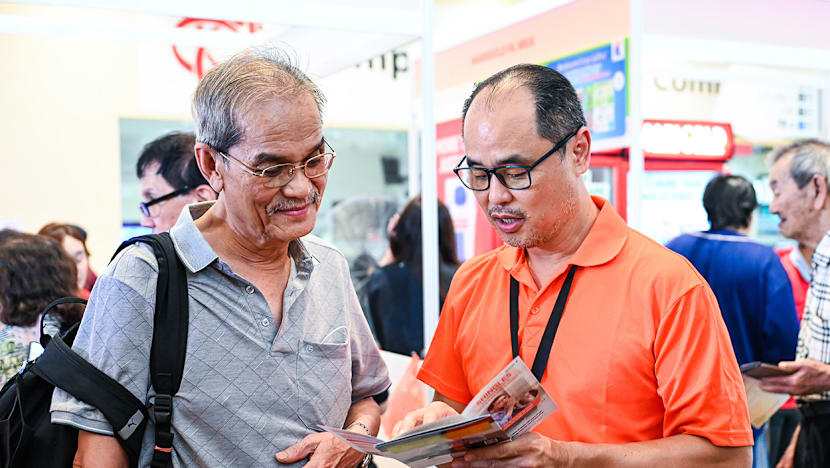
That experience spurred him to learn more about health and pass that knowledge on to others. As a GSK community ambassador, Mr Sato now speaks to members of the public about shingles and respiratory syncytial virus (RSV) at outreach events. Before taking on the role, he knew little about either infection.
Shingles occurs when the virus that causes chickenpox reactivates and is commonly associated with a painful, blistering rash. RSV affects the respiratory tract and can cause cold-like symptoms.
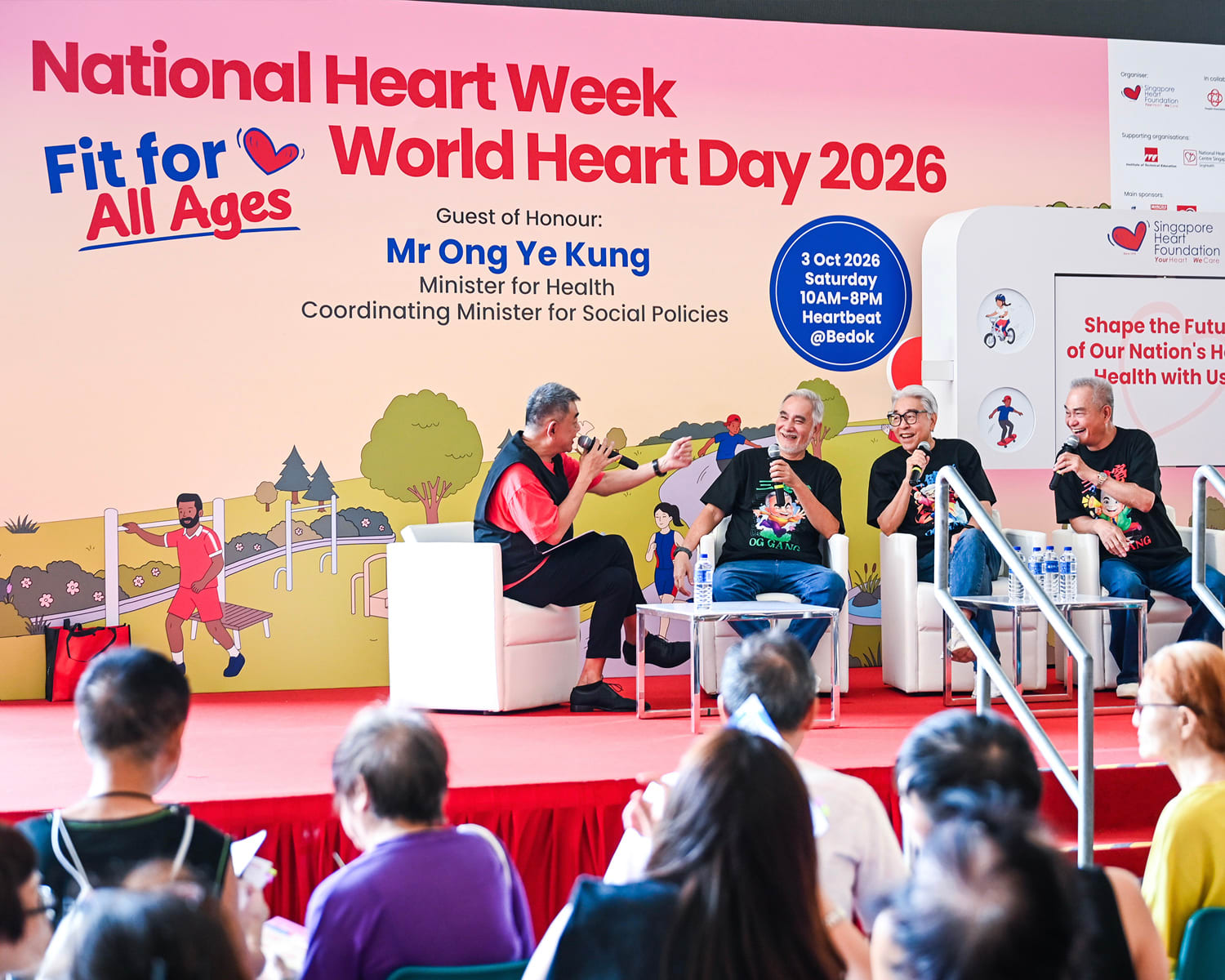
At this year’s World Heart Day event organised by Singapore Heart Foundation (SHF), Mr Sato and fellow GSK community ambassadors spoke to visitors about healthy ageing and heart health, including the potential health effects of shingles and RSV. Veteran actors Chen Shu Cheng, Richard Low and Zhu Hou Ren, collectively known as the OG Gang, also took to the stage to share their experiences with shingles.
Through these conversations, Mr Sato has found that recognising the name of the disease does not always mean understanding its effects. “Take shingles for example. Many people have heard of it, but they don’t know the risks, potential complications and impact it can have on their body in both the short and long term,” he said.
THE LINK BETWEEN INFECTIONS AND HEART HEALTH
Diet, exercise, blood pressure and cholesterol are often the first things that come to mind when we think about protecting the heart. But some infections may also increase cardiovascular risk.
“When an infection strikes, the body launches an aggressive immune defence that can unintentionally damage the heart and blood vessels,” said Professor Tan Huay Cheem, chairman of SHF, and senior adviser and senior consultant with the Department of Cardiology at National University Heart Centre, Singapore.
While both RSV and shingles have been linked to cardiovascular events, they affect the body differently.
RSV: WHEN LUNG INFECTION PUTS THE HEART UNDER EXTRA STRAIN
RSV primarily affects the respiratory system. In more serious cases, the strain it places on the lungs can also affect the heart. Low oxygen levels can make the heart work harder to compensate, explained Prof Tan. The infection may also be associated with inflammation of the heart muscle.
A clinical study found that out of a total of 6,248 older adults hospitalised with RSV, about 14 to 22 per cent experienced an acute cardiac event1, such as heart failure, an irregular heartbeat or a heart attack.
Older age can add to this vulnerability as immune function declines. People with diabetes, coronary artery disease, heart failure or compromised immunity may face additional risk.
But having no known history of heart disease does not mean there is no risk. Prof Tan said one in 12 older adults hospitalised with RSV who had no previous history of heart disease still experienced an acute cardiac event2. In some cases, he explained, the stress placed on the body by an infection may bring previously undiagnosed cardiovascular disease to light.
In addition, studies have found associations between RSV and cardiovascular risk beyond the acute phase, although the length of this period varies across studies3.

SHINGLES: WHEN INFLAMMATION MAY AFFECT THE HEART
Shingles may affect cardiovascular risk in a different way. When the virus reactivates in the nerves, it can cause significant inflammation and pain. Researchers have proposed that this inflammation, together with the physical stress of the illness, may help explain the increased risk.
Inflammation may also destabilise existing cholesterol deposits, or plaque, potentially leading to a blood clot that blocks blood flow to the heart or brain, said Prof Tan. In people with underlying risk factors, an infection may also destabilise a previously stable condition.
According to Prof Tan, a study found that the risk of a heart attack and stroke rose by 68 per cent and 78 per cent respectively within the first week of a shingles outbreak. The increased risk may continue for months, with some studies finding the link as far as a year after infection.
KNOWING THE WARNING SIGNS
For older adults and their caregivers, knowing which symptoms require medical attention can be an important part of looking after their health during and after an infection.
Prof Tan advised seeking immediate medical attention for crushing chest pain or pressure, pain radiating to the jaw, neck, back or left arm, sudden weakness or numbness on one side of the face, slurred speech, severe dizziness or unexplained fainting. New or worsening shortness of breath, swelling in the legs or ankles, or a racing or irregular heartbeat should also prompt medical attention.

Prof Tan encouraged adults aged 50 and above – including those who feel well – to discuss their individual health risks with their family doctor and ask how infections such as shingles or RSV could affect their cardiovascular health.
For Mr Sato, sharing what he has learnt is one way of helping others make better-informed choices about their health. “If I could help just one person become more aware of shingles or RSV, then that would be an achievement for me,” he said.
He believes family members can play a part, too. Adult children, for example, can learn more about these conditions alongside their parents and help them identify reliable health information.
Prof Tan emphasised that caring for the heart goes beyond familiar lifestyle measures. “This World Heart Day, remember that protecting your heart takes more than just watching your diet,” he said. “It’s about taking proactive steps to safeguard your health, strengthen your resilience and reduce the risks that can put your heart under greater strain.”
To learn more about shingles and RSV, speak to your doctor or visit stopshingles.com and saynotorsv.com. For more information on how these infections may impact cardiovascular health, visit the Singapore Heart Foundation website.
1 n=1,383 adults aged ≥50 years who experienced at least one acute cardiac event (N=6,248)
2 In a cross-sectional study over five RSV seasons
3 Erskine et al (2017): examined 7.9 million patients up to 28 years after the onset of herpes zoster
Verschoor et al (2025): up to one-year post-discharge over a period of nine years
Hviid et al (2025): data collected over a period of six years (Jan 2019 – Dec 2024)
This health message is intended for audiences in Singapore only, and is meant for disease awareness and educational purposes. Speak to your healthcare professional to learn more about shingles and RSV. Information in this article is valid as of Oct 8, 2026.
For reporting of adverse events, write to sg.drugsafety [at] gsk.com (sg[dot]drugsafety[at]gsk[dot]com). GSK is not responsible for third-party website content.
KioskNews shows a cleaned-up reading view extracted from the publisher’s page — the original always lives on their site, not ours.