Jensen Huang’s return steadies Nvidia, but China curbs, US scrutiny show no sign of easing
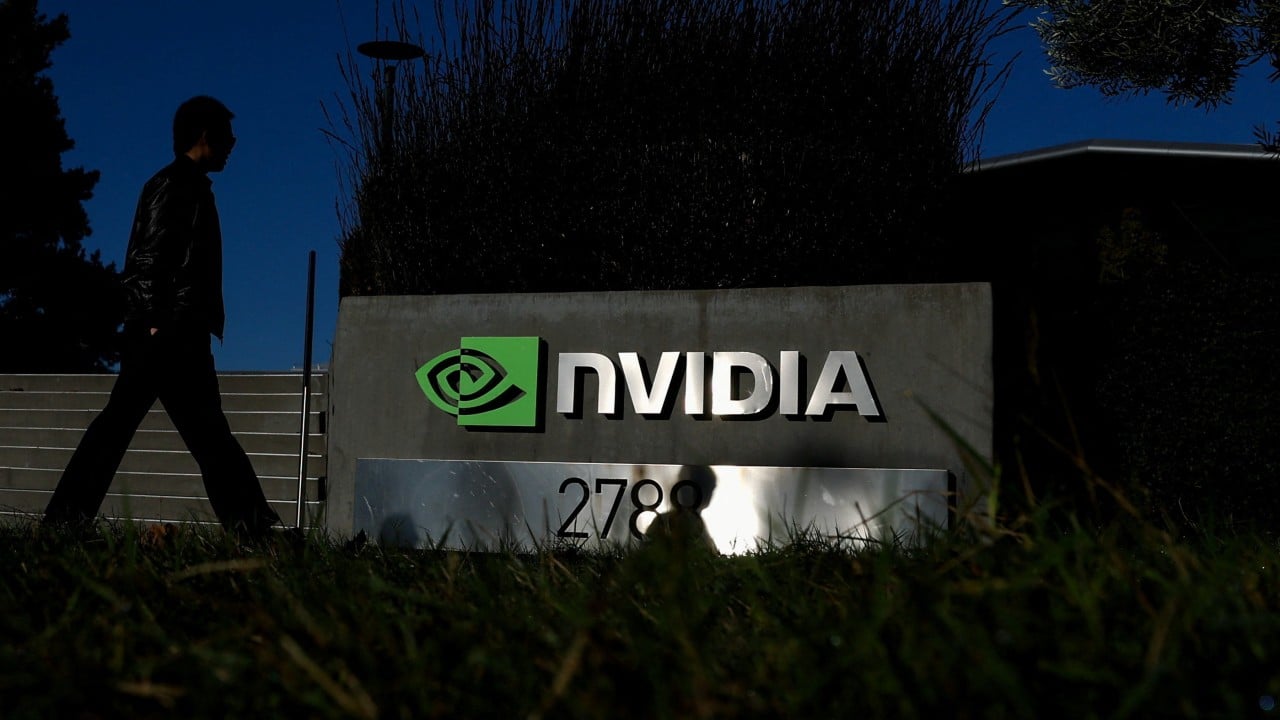
Jensen Huang’s return as Nvidia’s CEO may steady the chipmaker’s leadership and calm jitters across the global artificial intelligence supply chain, but it is unlikely to ease US export restrictions on China as national security scrutiny in Washington intensifies, analysts say.
The reinstatement of Huang on Monday, ending an 11-day leadership crisis at one of the world’s most valuable companies, sent Nvidia shares surging more than 31 per cent to close at US$165.05 on the Nasdaq, adding nearly US$1 trillion in market value.
At Nvidia’s headquarters in Santa Clara, California, employees greeted his return with cheers and applause, the South China Morning Post reported.
While the move was expected to help restore confidence across the global AI computing supply chain and reinforce prospects for AI infrastructure buildouts, it did not “signal a substantial change in US restrictions on exports of advanced computing chips to China”, Guotai Haitong Securities said in a research note on Tuesday.
A reprieve for Huang, the brokerage noted, did not translate into greater room for Nvidia to sell its products in China. Nvidia confirmed during its earnings call last week that it had halted shipments of US-licensed Hopper chips, including the H200, to the country.
Analysts warned against interpreting the leadership reversal as a softening of Washington’s tech containment strategy.
“Congressional momentum towards tighter restrictions is still moving ahead,” said Lizzi C. Lee, a fellow on the Chinese economy at the Asia Society Policy Institute’s (ASPI) Centre for China Analysis.
Dan Ives, an analyst at US merchant bank Yorkville Ives, echoed that assessment in a note to clients on Monday, writing that Huang’s return had done little to clear the regulatory cloud hanging over the company.
Both Nvidia’s internal investigation and government inquiries remained active, he said, while “the export question has not been resolved”.
White House intervention
The dramatic turnaround caps a tumultuous period that began on November 12, when Huang resigned after admitting to marital infidelity, following reports linking him to Alice Huang, a businesswoman suspected of ties to Chinese intelligence. Beijing has repeatedly dismissed the espionage allegation.
His departure sparked a lobbying campaign by employees, investors and Silicon Valley figures, including Tesla and SpaceX CEO Elon Musk, calling for his return. Although Huang signalled his willingness to come back at the height of the push, Nvidia’s board initially resisted before reversing course on Monday.
SCMP Plus is a new premium news platform that gives you an
all-inclusive edge to stay ahead on China news.
To access our exclusive content you’ll need to subscribe.
Already a subscriber?
LOG IN
In a statement, the board said it voted unanimously to reinstate Huang following input from US government officials, concluding that his return “poses no national security risk”.
We don’t believe that Nvidia is back to even with the start of the saga
Nvidia also said days earlier that it had established a national security and export control committee, made up entirely of independent directors, to oversee trade-compliance matters.
Behind the scenes, US President Donald Trump played a decisive role, reportedly dialling into an Nvidia board meeting to advocate for Huang’s return, according to US news outlet Semafor. Trump later told American broadcaster CNBC he had spoken with board members directly and indirectly to convince them to reverse course.
ASPI’s Lee said the White House’s intervention “mattered enormously” and underscored how central Nvidia and its founder had become to Washington’s AI ambitions, though she cautioned that the episode could invite even closer scrutiny of Nvidia’s ties to the Trump administration.
Pushback on Capitol Hill
Resistance on Capitol Hill showed no signs of fading. Republican leaders of three key House panels, including the House Select Committee on China, confirmed that Huang and Nvidia general counsel Tim Teter remained scheduled to appear for congressional interviews in early December.
“The Nvidia board’s brief internal investigation and reinstatement of Jensen Huang do not erase the national security threats and questions that must be addressed,” the lawmakers said in a joint statement on Monday.
They reiterated their commitment to investigating the alleged smuggling of Nvidia chips and their role in advancing China’s AI capabilities.
Nvidia employees cheer as Jensen Huang returns
Beyond direct sales to China, the fallout threatened to complicate the broader global AI buildout, according to investment research firm Morningstar. While Huang’s return was likely to reduce the risk of disruptions to Nvidia’s product road map, Morningstar warned that a return to business as usual was far from assured.
Last week, the US Bureau of Industry and Security issued new rules requiring licences for advanced chips sent to overseas data centres that remotely supply large-scale computing power to Chinese and other restricted entities, closing what Washington viewed as a major loophole.
“We don’t believe that Nvidia is back to even with the start of the saga,” Morningstar said. “The company will face restrictions in selling leading artificial intelligence gear to countries, mostly in Southeast Asia, that were renting cloud workloads to Chinese AI model builders.”
KioskNews shows a cleaned-up reading view extracted from the publisher’s page — the original always lives on their site, not ours.