New Maharashtra traffic rules: Repeat offenders risk licence suspension – what pending challans will block
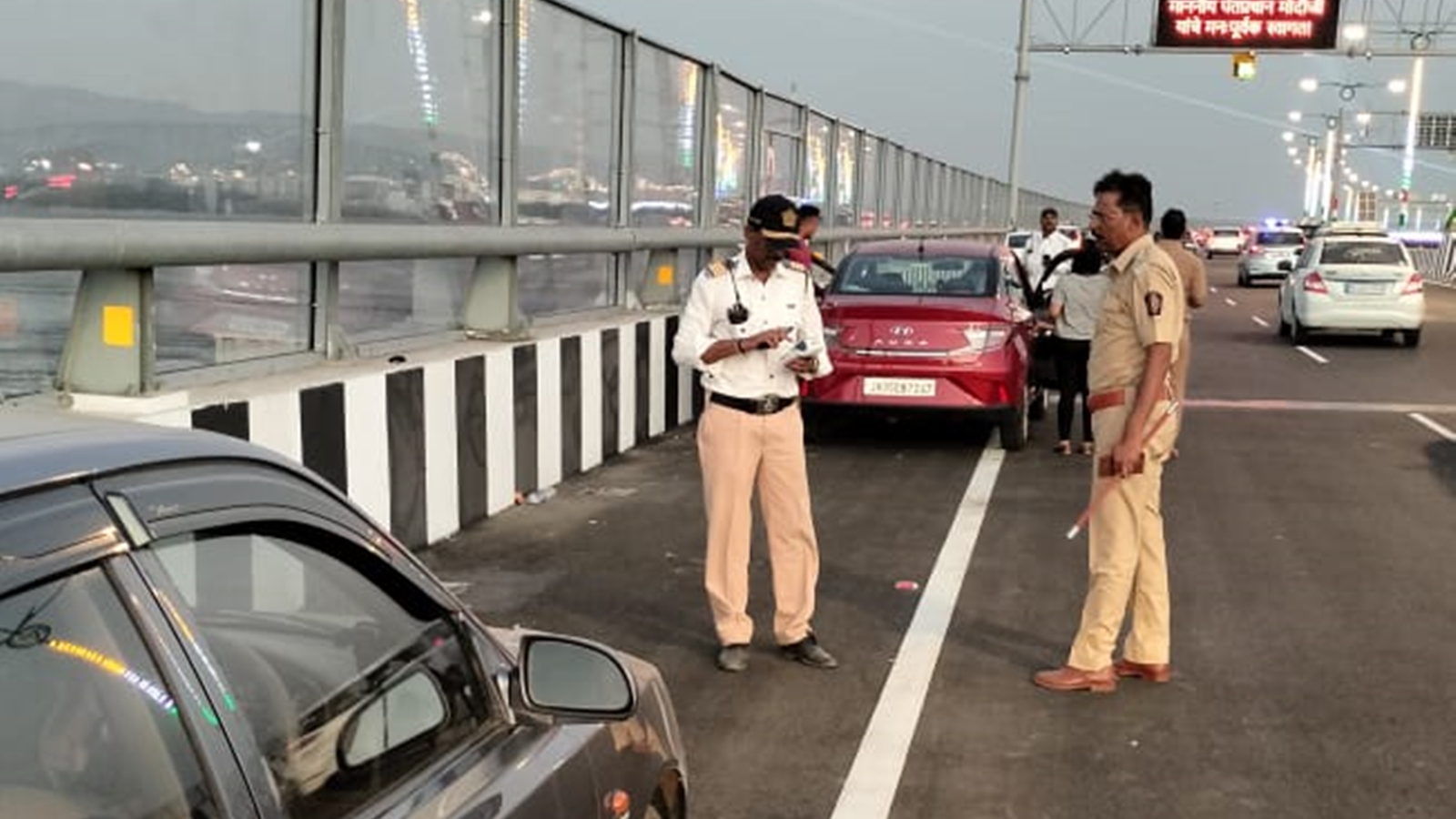
Maharashtra has tightened traffic violation rules, introducing stricter consequences for those who repeatedly violate traffic laws and do not clear their challans. Under the new directive issued by the State Transport Commissioner, motorists who repeatedly violate traffic rules now risk losing their driving licences, and vehicles with pending e-traffic challans may face restrictions on several transport-related services.
In a circular dated November 6, Transport Commissioner Rajesh Narvekar directed all Regional Transport Officers (RTOs) and Deputy Regional Transport Officers (Dy RTOs) to initiate action against traffic violations and pending challans.
The circular comes after a recent Supreme Court directive in a 2012 public interest litigation (PIL), seeking strict enforcement of existing motor vehicle laws, safer road engineering, and faster trauma care.
Taking note of the petitioner’s concerns, the apex court directed states, Union Territories, and the Ministry of Road Transport and Highways (MoRTH) to respond to it.
In January this year, MoRTH notified the Central Motor Vehicles (Third Amendment) Rules, which outline several provisions for the issuance of challans and penalties for repeat offenses.
The norms mention that individuals who have been served challans either digitally or physically must accept and pay the penalty or contest it within 45 days.
Who is a repeat offender?
Under the amended Rule 21(1)(25) of the Central Motor Vehicles Rules, 1989, a person holding a driving licence who violates provisions of the Motor Vehicles Act, 1988, or the rules made under it five or more times in a period of one year starting January 1, 2026, will have their driving licence suspended.
Rule 21 says: An individual using mobile phones while driving, committing an assault while driving, overspeeding, etc would be deemed to have committed an act of public nuisance or an act endangering public safety.
If an individual commits over five such offenses, their license is likely to be suspended or cancelled.
Importantly, offences registered during a previous one-year period will not be carried forward while the violations for the subsequent year are being calculated.
This means that the violation count will be assessed separately for each one year.
To make it simpler to understand, if a motorist commits three offences in one year and two more in the following year, the offences will not automatically be clubbed to make five. The count for the subsequent year will begin afresh.
Actions against repeat offenders
A process exists to identify and take action against habitual traffic violators.
First, RTOs have been instructed to regularly check e-challans registered against driving licence holders and compile the offence information registered against each driver.
The number of offences committed by each licence holder will then be calculated separately for every one-year period from January 1, 2026.
A separate list of those who have violated traffic rules five or more times will also be prepared.
After verifying the cases, the competent licensing authority will initiate proceedings to disqualify or cancel the driving licence, as applicable.
As we mentioned earlier, motorists will get an opportunity to explain their position before action is taken.
Unpaid e-challan? No paper, no service
RTOs have also been directed to prioritise recovery of fines from motorists with outstanding e-challans.
Rule 167 says: Authorities can take necessary action until the full amount of pending e-challans is deposited. This means the authorities can freeze essential paperwork and services for that vehicle until the challan is deposited.
Services and paperwork include renewal of the registration certificate (RC), issuance of a secondary registration certificate, recording a change in the vehicle owner’s address, issuance of a fitness certificate, and transfer of ownership. The circular also calls for stopping the transfer process and blacklisting the concerned vehicle on the portal.
Further, vehicles with pending e-challans will not be issued a Pollution Under Control (PUC) certificate. The circular directs authorities to take preventive action through the concerned PUC centres and system.
Vehicles with pending e-challans may also be randomly checked on roads. If an inspection establishes that a challan has not been complied with or the fine remains unpaid, authorities are authorities to seize the vehicle.
Is there an easy way out for motorists?
Motorists should regularly check whether any e-challans have been registered against their driving licence or vehicle, and verify details of any outstanding violations on the Parivahan eChallan or the E-Challan Payment Maharashtra State portals.
Those with pending challans should prioritise their payment or contest the fine within 45 days of its issuance.
If a challan appears incorrect or relates to a violation they dispute, affected individuals can seek clarification from the concerned traffic or transport authority rather than assume that it has been withdrawn.
A person contesting a traffic challan will have the opportunity to challenge it before the designated authority. If the authority fails to decide on the objection within the stipulated timeframe, the challan will become invalid.
If the objection is rejected, the person will have 30 days to pay the fine or approach a court after depositing 50 per cent of the challan amount.
Drivers should also retain payment receipts and records of any correspondence or representations concerning disputed challans. This can help establish whether a fine has already been paid or whether a violation has been incorrectly recorded.
KioskNews shows a cleaned-up reading view extracted from the publisher’s page — the original always lives on their site, not ours.