10 Books From the 21st Century That Are Perfectly Written

Luc Haasbroek is a writer and videographer from Durban, South Africa. He has been writing professionally about pop culture for eight years. Luc's areas of interest are broad: he's just as passionate about psychology and history as he is about movies and TV. He's especially drawn to the places where these topics overlap.
Luc is also an avid producer of video essays and looks forward to expanding his writing career. When not writing, he can be found hiking, playing Dungeons & Dragons, hanging out with his cats, and doing deep dives on whatever topic happens to have captured his interest that week.
Sign in to your Collider account
Perfect writing is difficult (impossible?) to define. Nevertheless, no matter one's tastes, certain books stand out because every element feels precisely calibrated. Their word choices, structure, characterization, pacing, and emotional impact come together so seamlessly that it becomes difficult to imagine the novel being improved.
These books are the focus of this list. They span a range of subgenres and tones, but share a commitment to excellent prose. Where most novels are content to entertain their readers purely through the plot, the titles below charm us on a sentence-by-sentence level. It takes real talent to maintain consistency across an entire narrative, and the authors behind these titles achieve it.
'Normal People' (2018)
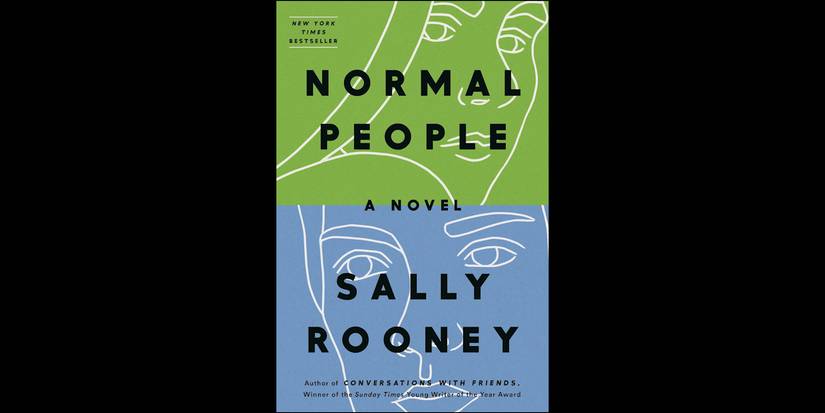
"Life offers up these moments of joy despite everything." This one was a popular sensation, making the leap from literary acclaim to broad appeal (especially once the TV show with Daisy Edgar-Jones and Paul Mescal came out). Normal People follows Connell Waldron and Marianne Sheridan, two young people from a small Irish town whose lives remain intertwined from their school years through university and into adulthood.
Their relationship shifts repeatedly between friendship, romance, separation, and reconciliation as they struggle to understand themselves and each other. Although there are a lot of intense emotions here, the writing is mostly sparse and detached, almost clinical, built out of plain language and understated observations rather than larger-than-life insights. Yet even with this distance, the prose still gives us access to the protagonists' anxieties, narration and dialogue blending seamlessly with their inner monologues.
'Salvage the Bones' (2011)

"I like to think I know something about love." Salvage the Bones is the best book so far from author Jesmyn Ward, who also penned Sing, Unburied, Sing and Let Us Descend. Set in rural Mississippi during the days leading up to Hurricane Katrina, it follows fifteen-year-old Esch Batiste and her family as they struggle with poverty, family tensions, and the approaching storm. Each character is flawed but human, their relationships shaped by love and hardship.
Perhaps defying expectations for this kind of drama, Ward writes in a lyrical and almost mythic style, paying homage to Faulkner and the ancient Greek tragedy Medea. This distinct approach elevates the characters' daily struggles: unemployment, crime, teen pregnancy, petty violence, and dogfighting become something epic. The result is a confident, finely-executed fusion of realist drama, classic tragedy, and Southern Gothic.
'Edge of Eternity' (2014)

"We are all capable of both good and evil." Edge of Eternity is a phenomenal work of historical fiction by author Ken Follett, perhaps best known for writing the beloved medieval epic The Pillars of the Earth. It's the final installment in his Century Trilogy, which charts the lives of multiple families across the United States, Europe, and the Soviet Union during some of the most significant events of the twentieth century.
In this one, the narrative plays out against a backdrop of the Civil Rights Movement, the construction and fall of the Berlin Wall, the Cuban missile crisis, Watergate, and the final days of the Cold War. Crucially, rather than being a dry history lesson, the book is dramatic and paced like a blockbuster, keeping the pages turning effortlessly (all 1,000 of them). The writing is clear and direct, never wasting time, conveying tons of context without ever feeling like an info dump.
'The Morning Star' (2020)

"The world is always stranger than we imagine." The Morning Star was the start of a new series by provocative Norwegian writer Karl Ove Knausgård, who wrote the brilliant autobiographical novel saga My Struggle in the early 2000s. This one begins with an unexplained celestial phenomenon: a bright new star suddenly appears in the sky. In the wake of this, several seemingly unrelated characters experience unsettling occurrences that blur the boundaries between the mundane and the supernatural.
It's a dark, psychologically complex story that conjures up an immersive atmosphere of mystery and unease. Here, Knausgård somehow strikes a balance between opposites: hyper-detailed domestic realism and slow-burning apocalyptic dread. By anchoring the reader in the boring, repetitive tasks of modern life, the eventual arrival of the uncanny, like weird animal behavior or a glimpse of a figure with a horrifying face, feels shockingly intrusive, even terrifying.
'The Amber Spyglass' (2000)

"I will love you forever; whatever happens. Till I die and after I die." The concluding volume of His Dark Materials, The Amber Spyglass sees Lyra Belacqua and Will Parry journeying across multiple worlds and confronting truly cosmic forces. Their quest expands into a conflict involving angels, destiny, consciousness, and the future of countless universes. Along the way, the novel tackles enormous philosophical ideas while remaining deeply invested in its characters and their relationships.
Such a combination could easily become unwieldy, yet every element feels integrated into a coherent whole. The worldbuilding is imaginative, and you don't need to grasp the subtext to be absorbed by the story. Finally, the prose itself is stately and elegant, a clear homage to classic literature. All this made The Amber Spyglass a new high-water mark for fantasy, particularly children's fantasy, throwing down an impressive challenge for the genre in the 2000s.
'A Gentleman in Moscow' (2016)
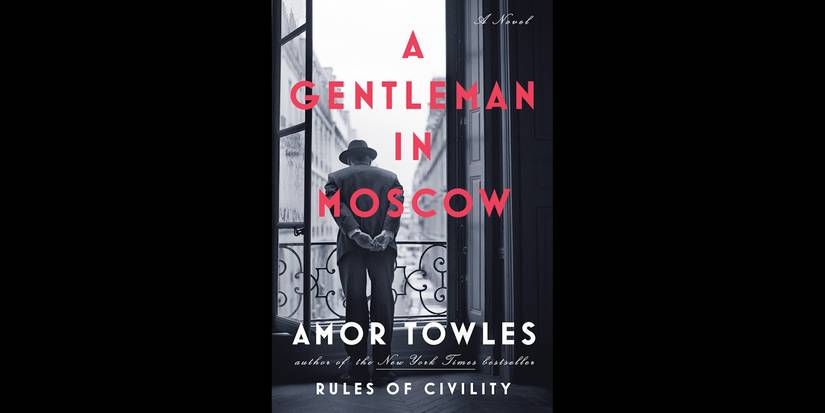
"If a man does not master his circumstances, then he is bound to be mastered by them." This one was made into a solid TV series, though the original novel is stronger. A Gentleman in Moscow centers on Count Alexander Rostov, an aristocrat sentenced by a Bolshevik tribunal to lifelong house arrest inside Moscow's luxurious Metropol Hotel. Over the decades that follow, Rostov witnesses enormous changes in Russian society while building a meaningful life even within the confines of a single building.
Author Amor Towles is great at crafting memorable characters. The hotel's staff, guests, and visitors all feel vividly alive, and Rostov himself is one of the most appealing protagonists of the last decade: intelligent, dignified, humorous, and boasting the impeccable manners of a world long-vanished. The writing is fittingly rhythmic and whimsical, embedding a gem on practically every page.
'Anything Is Possible' (2017)

"People did the best they could with what they had." Written by Olive Kitteridge's Elizabeth Strout, Anything Is Possible is a linked collection of stories set primarily in the fictional town of Amgash, Illinois. It revisits characters connected to Lucy Barton, the protagonist of Strout's earlier novel My Name Is Lucy Barton, exploring their struggles, complicated relationships, buried regrets, and, occasionally, moments of grace, all done with remarkable empathy.
Here, Strout writes in a style that mimics ordinary speech and everyday thoughts, avoiding flashy vocabulary or complex, winding sentences. This approach is deceptively simple, allowing the author to dig even deeper with the psychological observations. Indeed, the emotional and moral complexity of Strout's characters is striking, examining their flaws and biases without mocking or judging them, a difficult gambit to pull off.
'Freedom' (2010)

"The personality susceptible to the dream of limitless freedom is a personality also prone, should the dream ever sour, to misanthropy and rage." Many critics hailed Jonathan Franzen's 2001 book The Corrections as a new Great American Novel, though his 2010 project Freedom is arguably better. It revolves around the Berglund family, particularly Patty and Walter Berglund, as they navigate marriage, parenthood, friendship, politics, and personal dissatisfaction in contemporary America.
A big strength here is the characterization. The decisions made by Patty, Walter, and the supporting cast emerge naturally from who they are rather than from the needs of the plot. Similarly, the narration is third-person, but takes on the mannerisms and perspectives of the characters that section is focusing on. In the process, the book really hammers home the deep gulf between how the characters view themselves and how the rest of the world sees them.
'The Book Thief' (2005)
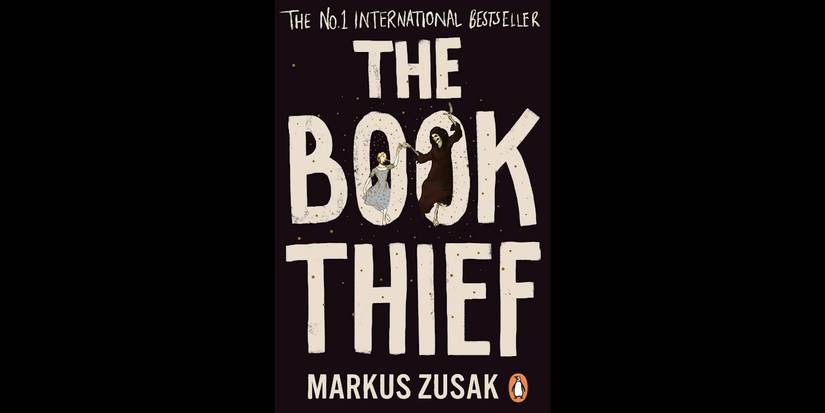
"I am haunted by humans." Narrated by Death itself, The Book Thief tells the story of Liesel Meminger, a young girl growing up in Nazi Germany during World War II. As Liesel develops a love of reading, she forms powerful relationships with her foster family, friends, and a Jewish man hidden in her home. It's challenging subject matter, but author Markus Zusak tells the story with a masterful balance of humor, tragedy, and hope, finding beauty amid the horror.
The writing is poetic and bold, full of memorable metaphors and vivid descriptions. Zusak’s most famous stylistic choice here is his heavy use of synesthesia, the blending of different human senses. For instance, Death perceives the world through a sensory overload where abstract concepts take on physical properties. Colors are tasted, tasted things have shapes, and the sky is "cooked" or "chocolate." Odd but brilliant stuff.
'Night Watch' (2002)
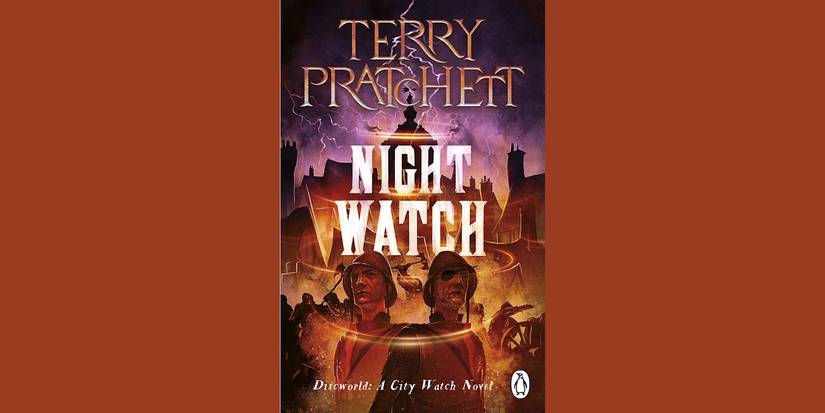
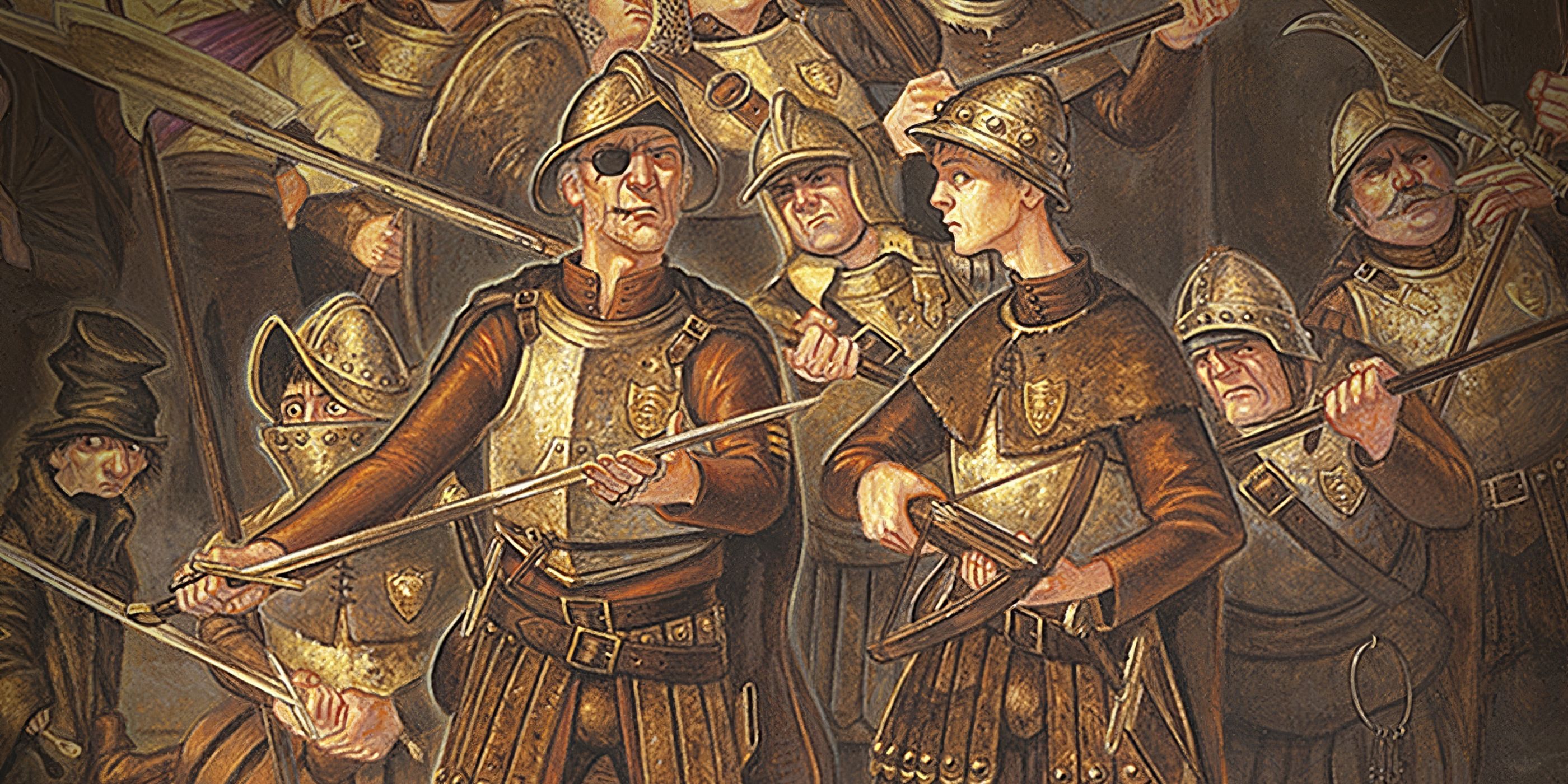
"The difference between light and darkness is not as simple as people think." Night Watch ranks among the very best of Terry Pratchett's Discworld novels. In it, protagonist Sam Vimes is thrown decades into Ankh-Morpork’s past, arriving just before a revolution that he already knows will end with several of his friends dead. Unable to simply return home, he assumes the identity of his former mentor and attempts to ensure that history unfolds roughly as he remembers it.
Beneath all the time travel shenanigans and social upheaval is a genuinely moving novel about memory and responsibility. Here, the author's trademark wit is given a cynical, hard-boiled treatment, paying tribute to classic detective fiction. For example, Pratchett uses a lean, kinetic style to depict a rain-slicked, politically volatile city. However, the satire and biting humor remain as barbed as ever, and undercurrents of anger ripple beneath the sentences.
KioskNews shows a cleaned-up reading view extracted from the publisher’s page — the original always lives on their site, not ours.