How travelers can navigate trips as ground stop effects linger, expert says
As air travel in the United States remains hectic due to the lingering effects from Friday's ground stop, a travel expert said preparation and patience are key for flyers who are trying to reach their destination.
Brett Snyder, the president of the travel planning service Cranky Concierge, said that flight schedules will likely not be back to normal until Monday at the earliest as airlines scramble to get their fleets and crews back to their planned destinations as orderly as possible.
A total of over 14,000 flights were canceled Friday and Saturday, according to FlightAware. Around 160 flights on Sunday have been canceled as of Saturday afternoon, FlightAware said.
The FAA said the ground stop was instituted due to a telecommunications issue in the air traffic control system.
FAA administrator Bryan Bedford said the system is expected to be fully recovered by Sunday.
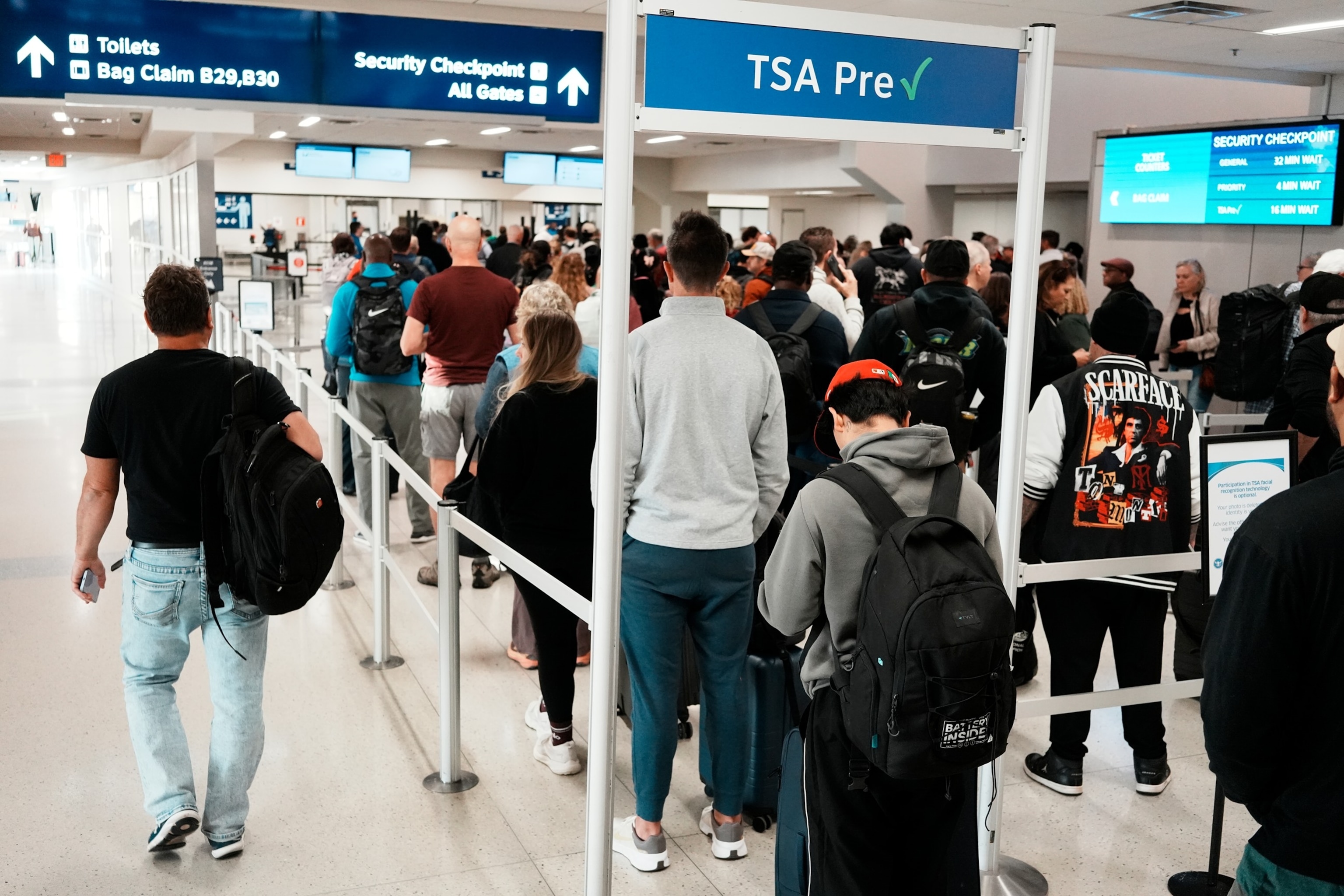
Travelers wait in line at the TSA security checkpoint at Dallas Fort Worth International Airport on Nov. 14, 2026, in Dallas, Texas.
Justin Hamel/Getty Images
"The point of the cancellations and delays today is to right the ship as quick as possible and by Monday everything is as smooth as possible," Snyder told ABC News Saturday.
Snyder said that while there's not a lot passengers can do while the airlines and airports recover, there are key steps they can take to help ensure their flights go as smooth as possible.
The first thing that flyers should consider is if it's worth waiting for their flight if it has been delayed or if they should rebook, he said.
"If this was a trip that was going to be short and fun and not a big deal, I'd scrap it," Snyder said.
Snyder said that most airlines are offering refunds during this situation, even if their planned flight is delayed.
American Airlines announced Saturday it is adding fare caps across their domestic and short international flights as delays are expected to continue. American, Southwest, Delta and United are all offering travelers waivers.
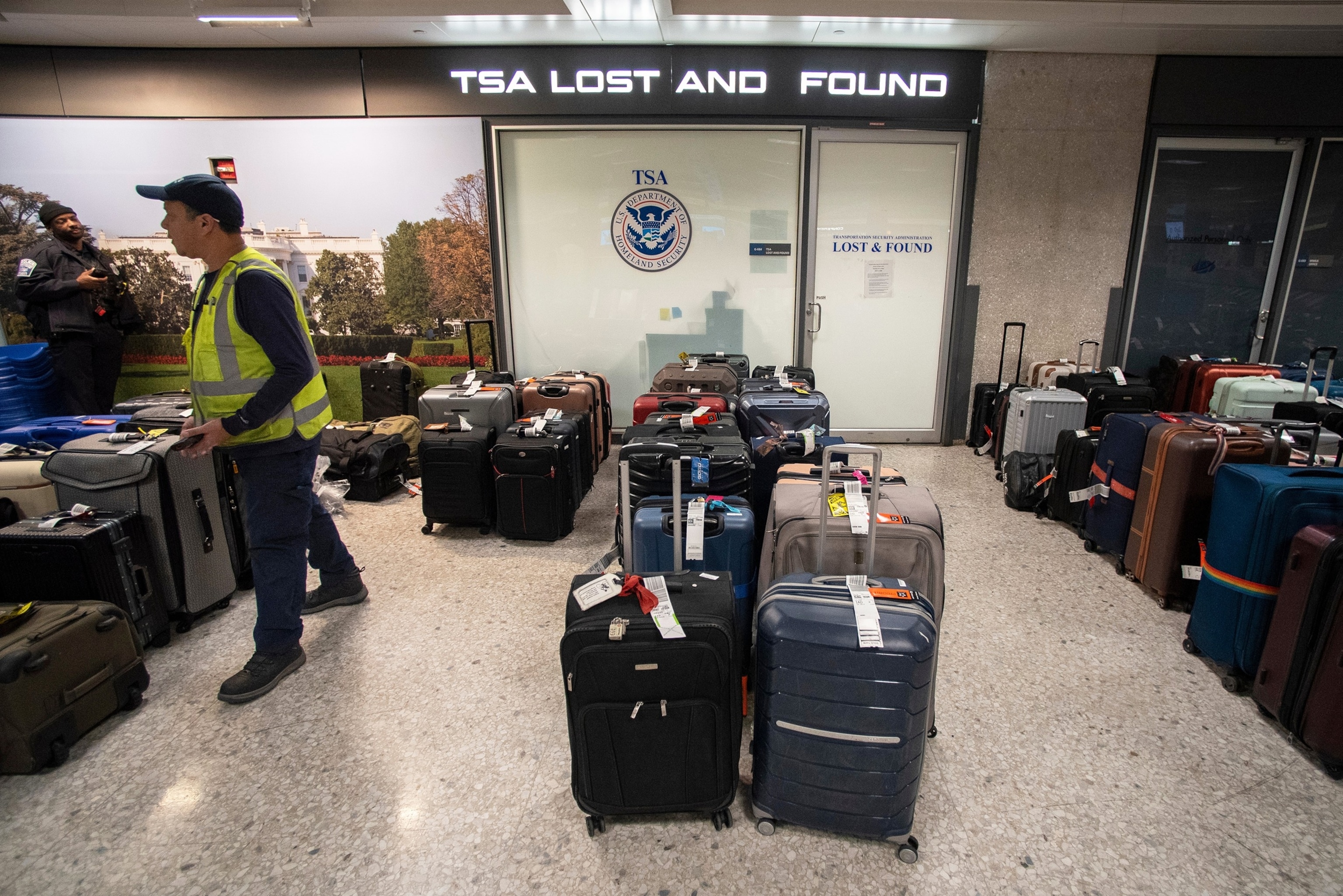
A United Airlines baggage handler checks luggage removed from cancelled flights in front of the TSA Lost and Found office, at Washington Dulles International Airport, in Chantilly, Va., Nov. 13, 2026, after the Federal Aviation Administration grounded flights nationwide.
Cliff Owen/AP Photo
For those who are still pushing ahead with their trip, Snyder said it's best to stay at the airport and remain on top of any updates. He recommended travelers download the airline's app and keeping an eye on all the alerts associated with their flight.
Snyder noted that flyers should pay close attention to any connecting flights and check if they are canceled. Airlines are typically good at rebooking customers during those situations, he added.
When in doubt, Snyder recommended that flyers call their airlines. If they are in the airport, talk to an agent, he said.
He stressed that ticket holders should remain courteous to the representatives.
"Remember the airline employees are going through this just as much you are as a traveler. Go easy on them, they're trying to help you," Snyder said.
Transportation Secretary Sean Duffy told reporters Saturday that the federal government is working around the clock to help the airlines and airports navigate through the issues and get service back to normal as fast as possible.
"You will continue to see some delays and cancellations as carriers reschedule flights and reposition aircraft/crews where they are needed most," Duffy said in a post on X earlier Saturday.
"Our top priority right now is making sure travelers get home safely to their families as quickly as possible," Duffy said.
KioskNews shows a cleaned-up reading view extracted from the publisher’s page — the original always lives on their site, not ours.