This 18 Hour Movie Is The Greatest Horror Film Of The Century

George is a film critic and journalist with over nine years of experience in the entertainment industry. Beginning as the Co-Creator and Co-Editor of Star Wars Holocron, the most followed Star Wars fan account on Twitter/X, George went on to develop The HoloFiles, a movie and television-focused website with his brother and writing partner Josh.
A member of the Hollywood Creative Alliance, Chicago Indie Critics, Online Film and Television Association, and the Internet Film Critic Society, George has covered major industry events as credentialed media, including D23, CinemaCon, SXSW, Fantastic Fest, Star Wars Celebration, Tribeca Festival, and more. He also regularly writes reviews and contributes articles to ScreenAnarchy, BRWC, Film Obsessive, TV Obsessive, and Under the Radar. George's work has been featured in various esteemed publications, including the BBC, Associated Press, Forbes, and The New York Times.
The definition of what a horror movie is continues to broaden as the genre increasingly plays a prominent role in the landscape of cinema. Recent years have seen the likes of Jordan Peele masterfully weave together biting social commentary with gripping thrills and Amy Madigan take home Oscar gold for a performance in a horror film, a rare feat given the genre’s history with award shows.
For all the talk about Peele, Zach Cregger, Osgood Perkins, James Wan, and other acclaimed horror filmmakers of the 21st century, a titan of moviemaking of the 20th century found a way to mastermind an 18-hour-long horror movie in 2017 that sits at the pinnacle of what the horror genre has had to offer in the 21st century.
Yes, you read that correctly. David Lynch, the iconic filmmaker behind the likes of The Elephant Man and Eraserhead, directed a sprawling, ambitious 18-hour horror film this century that ranks among the most unsettling watches in recent memory.
David Lynch Made An Ambitious 18 Hour Horror Movie Disguised As A Television Show
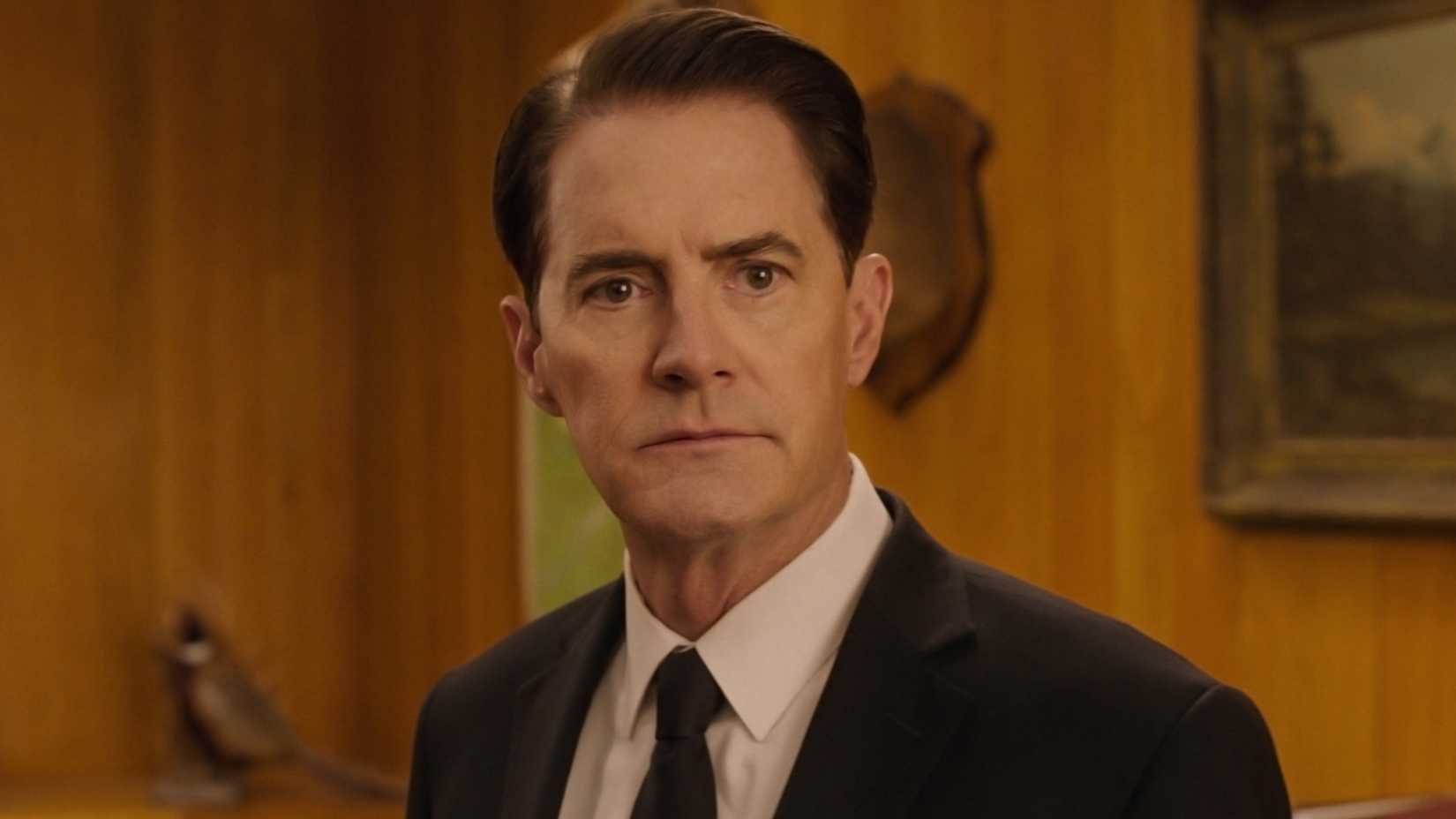
The long-awaited revival of the cult television hit series Twin Peaks from the 1990s was envisioned by creators David Lynch and Mark Frost as a single, continuous 18-hour film, rather than a traditional episodic show. Lynch and Forst penned a massive multi-hundred page script and shot it all continuously, eventually releasing it as Twin Peaks: The Return on Showtime.
Given the unfeasibility of releasing an 18 hour feature film, Twin Peaks: The Return took the form of an 18-part television series, albeit not one in the conventional sense. The split into 18 episodes happened in the editing process, rather than on the page, meaning the installments lack the standard structure of a television series.
There are no neat cliffhangers or episodic arcs per hour. Instead, the project mirrors the structure and pacing of a long film, with macro-story payoffs set up hours prior, ambient time passing by, and massive abstract concepts thrown in the middle, seemingly out of nowhere.
Twin Peaks: The Return Features Scarier Imagery And Themes Than Most Horror Movies

Backed by an ambitious, groundbreaking narrative structure, Twin Peaks: The Return is as frightening and unsettling as movies get. Rather than operating as a cozy nostalgia trip like many legacy sequels released around the same time, the Showtime series unfolds as an experimental masterwork of the horror genre, filled to the brim with existential dread, cosmic scale, enduring trauma, and truly unnerving imagery and sound design.
Twin Peaks: The Return evokes the feeling of a dense, disorienting bad dream in which familiar rules of reality break down. Scenes linger far beyond comfort, pacing feels heavy, and even the most mundane of interactions or environments burrow themselves under viewers’ skins.
Part 8 in particular makes for a horrifying watch. In this episode, Lynch traces the origins of evil to the dawn of the atomic age in an entirely black-and-white and largely dialogue-less episode depicting the birth of an ancient, primordial evil.
The horror in Twin Peaks: The Return isn’t always this abstract, however. Characters confront chilling doppelgangers, visceral bursts of violence appear out of nowhere, and people act in ways that defy understanding.
All of this culminates in a final episode that needs to be seen to be believed. Without delving into spoilers, Part 18 offers little in the way of catharsis and concludes on a primal, reality-shattering, and deeply unsettling note.
Seldom are horror films as inventive and ambitious as Twin Peaks: The Return. Although released as an 18-episode series on Showtime, David Lynch and Mark Frost always envisioned the project as an 18 hour movie. As such, the duo created not only the longest horror movie in history, but the greatest and most effective of the 21st century.
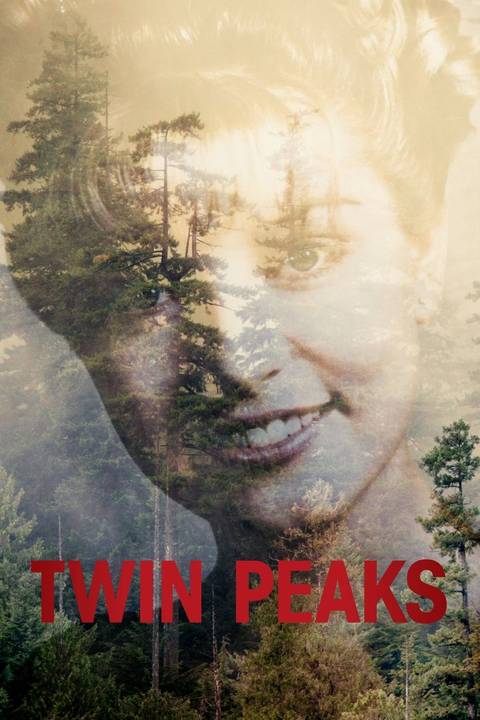
Twin Peaks

10/10
- Release Date
- 1990 - 2017-00-00
- Network
- ABC, Showtime
- Showrunner
- Mark Frost
- Directors
- Lesli Linka Glatter, Caleb Deschanel, Duwayne Dunham, Tim Hunter, Todd Holland, Tina Rathborne, Diane Keaton, Graeme Clifford, James Foley, Jonathan Sanger, Mark Frost, Stephen Gyllenhaal
- Writers
- Mark Frost, David Lynch, Harley Peyton, Robert Engels, Barry Pullman, Scott Frost, Tricia Brock
-
Colonel Davis
-

Piper Laurie
Katherine Martell
Twin Peaks follows an FBI investigation into the murder of a young woman in a quiet Washington town. As the case progresses, it unveils the secrets of the tight-knit community and delves into a surreal narrative that blurs the line between reality and mystery.
KioskNews shows a cleaned-up reading view extracted from the publisher’s page — the original always lives on their site, not ours.