The MacBook Neo uses an iPhone chip, and it's just good enough
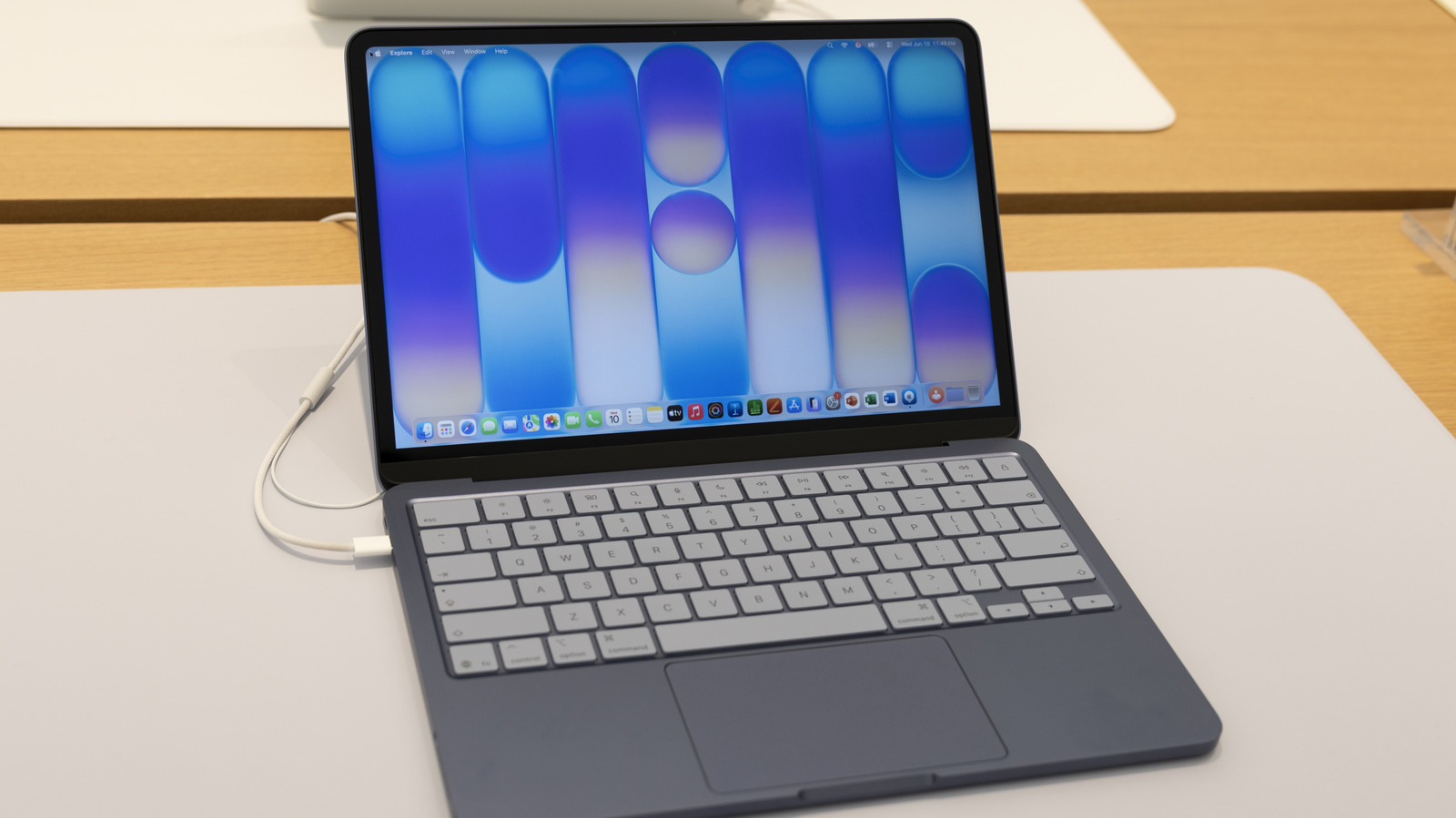
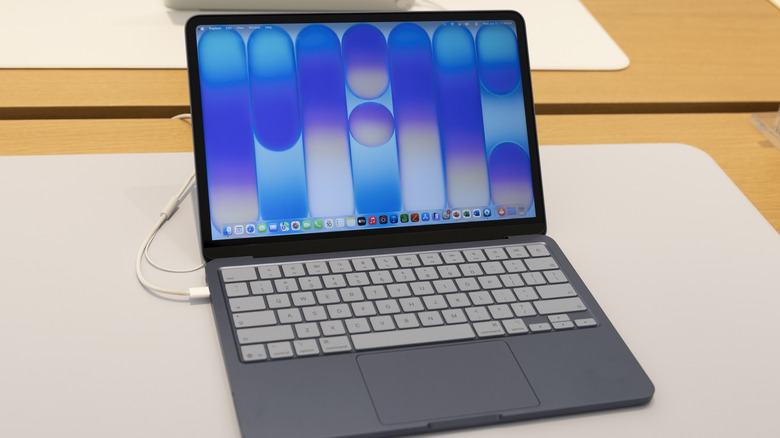
A smartphone chip in a laptop sounds like a mess, but it results in a solid laptop for the money.
Jonathan Weiss/Shutterstock
In retrospect, the MacBook Neo was Apple getting ahead of the curve. With tariffs and soaring memory prices in effect, the company must have known there was only so long it could keep the cost of its previous entry-level laptop — the MacBook Air — at a reasonable level. Sure enough, just three months later, the Air shot up by $200 to a new baseline of $1,300. Even at its current $700 price tag, the Neo is a comparative bargain.
Of course, the Neo achieves these savings by making compromises. The biggest by far is the use of a reproposed iPhone processor instead of an M-series chip like those found in other modern Macs, as well as the iPad Air and iPad Pro. Until the Neo launched, I had serious doubts about how well a phone chip could handle a desktop-level operating system.
The good news is that it handles macOS far better than you might think. There are some notable limitations, but these are mostly to be expected. The real question is whether you should wait for the anticipated refresh, which could be a big deal if it's not priced out of the budget sphere.
How an iPhone chip helps and hinders the MacBook Neo
agustin.photo/Shutterstock
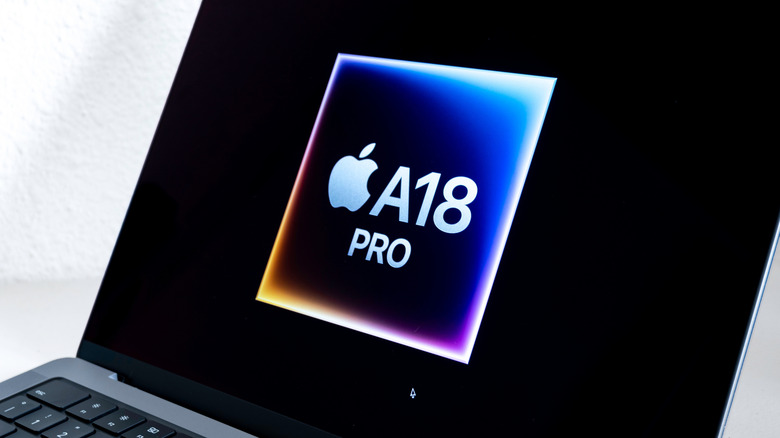
The Neo is equipped with an A18 Pro, a processor originally designed for 2024's iPhone 16 Pro. In fact, it's scaled down slightly in this case. Whereas the 16 Pro's chip had a six-core CPU paired with a six-core GPU, the Neo drops to five GPU cores. You're getting inferior graphics performance, despite scaling up to a 13-inch display and potentially more demanding workloads.
What's strange is that for the most part, it's not a big deal. In our own testing for our MacBook Neo review, the laptop was able to juggle multiple web browsers, a TV show, photo editing in Pixelmator Pro and the game Oceanhorn 3 without much trouble. Arguably, this speaks to how overpowered iPhone chips have been for some time.
That said, the Neo can struggle with advanced tasks. While it's capable of vanilla 4K video editing, for example, its 8GB of RAM means that it can't process special visual effects without coming to a crawl. Many apps also require an M1 processor or better, including games like Assassin's Creed Shadows. Remember that minimum requirements are just that, and not a guarantee of best performance. If you want a truly smooth experience, you'll be far better served by the MacBook Air. Its latest iteration sports not just an M5 chip, but at least 16GB of RAM, which is the realistic baseline on today's best laptops.
The Neo's port technology is extremely limited, too. It's equipped with only a 10Gbps USB 3 port, a 480Mbps USB 2 port and a 3.5mm headphone jack. While you can plug in a 4K, 60Hz DisplayPort monitor via that USB 3 connection, there's no support for daisy-chaining or any kind of Thunderbolt accessory. The MacBook Air has a major win by upgrading those USB ports to 40Gbps USB 4 (with Thunderbolt 4), plus a dedicated MagSafe power connection.
Should you wait for the MacBook Neo 2?

BalkansCat/Shutterstock
Almost certainly. According to Bloomberg's Mark Gurman, a 2027 refresh will upgrade the Neo to the A19 Pro chip used in the iPhone 17 Pro, as well as 12GB of RAM. While 12GB still isn't 16GB, an extra 4GB may be enough to smooth out some of the edge cases where the current model falters. Remember that you can't upgrade the RAM in today's MacBook post-purchase, so it's better to plan ahead now than get bottlenecked in the future.
That thinking about longevity especially applies in the current market. While the A18-based Neo might be good enough for most apps today, there's no guarantee that will be the case five years down the road. Apple is rolling ahead full-steam with AI features in macOS 27, some of which already require an M3 chip and 12GB of RAM. The second-generation Neo will still only get a slice of what Apple has planned, so it's not as if it will be a perfect fit for, say, heavy AutoCAD use. Yet you'll be in a slightly better position if you wait for the A19 hardware.
If you need a Mac immediately, the first-gen Neo will do. If an app works today, it probably isn't going to fall out of support anytime soon, since the laptop was only launched in March 2026. We suggest you go hunting for a refurbished model to save a few dollars, though.
KioskNews shows a cleaned-up reading view extracted from the publisher’s page — the original always lives on their site, not ours.