Minister support recycled plastic waste as prosthetic leg initiative
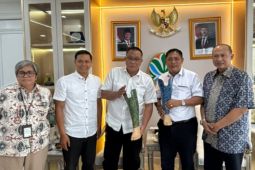
Indonesia's Environment Minister Jumhur Hidayat voiced support for waste recycling initiatives, praising prosthetic legs made from plastic waste, by Yayasan Kaki Kita Se-Nusantara (YKKS), a foundation dedicated to assisting people with limb disabilities.
Hidayat emphasised the importance of waste segregation at the source and called for innovative approaches to maximise the value of inorganic waste, including plastics.
Hidayat made the remarks during a meeting with senior YKKS representatives, according to a statement received in Denpasar, Bali, on Monday.
The foundation showcased two prosthetic legs during the discussion, one made from high-density polyethylene (HDPE) and another from a blend of multilayer plastics and HDPE.
Related news: Gov't prioritizes emergency waste areas for WTE plants: Minister
Chairperson of the YKKS Board of Trustees, Putu Ivan Yunatana, said the foundation's innovations demonstrate how plastic waste, often viewed solely as an environmental pollutant, can be transformed into products that deliver both social and economic benefits.
"These two prosthetic legs show plastic waste can offer benefits and be economically valuable if supported by a well-managed ecosystem," he said, noting that YKKS focuses the initiative on underprivileged individuals with disabilities.
In collaboration with several corporations and supported by public donations, he added, the foundation has provided prosthetic limbs to beneficiaries across Bali and other regions, including Lombok Island in West Nusa Tenggara and Palu City in Central Sulawesi.
Yunatana said YKKS is also involved in educational initiatives and a waste-to-fuel programme.
Meanwhile, YKKS Chairman, Made Adhitiasthana, explained the foundation can convert around five kilograms of plastic waste into a single prosthetic leg, each featuring distinctive color patterns derived from the plastic materials used.
"The colors are derived directly from the plastics. For example, a white leg with black speckles is made from waste colored white and black," he explained, adding the color combinations can be customised to suit beneficiaries' preferences.
Related news: President Prabowo urges regions to join Indonesia ASRI green movement
Related news: Indonesia targets mercury-free status by 2030, PCB management by 2028
Translator: Tegar Nurfitra Putra Rofian
Editor: Fransiska Ninditya
Copyright © ANTARA 2026
KioskNews shows a cleaned-up reading view extracted from the publisher’s page — the original always lives on their site, not ours.