Joo Chiat vs Haji Lane: What makes a shopping neighbourhood work for retailers?
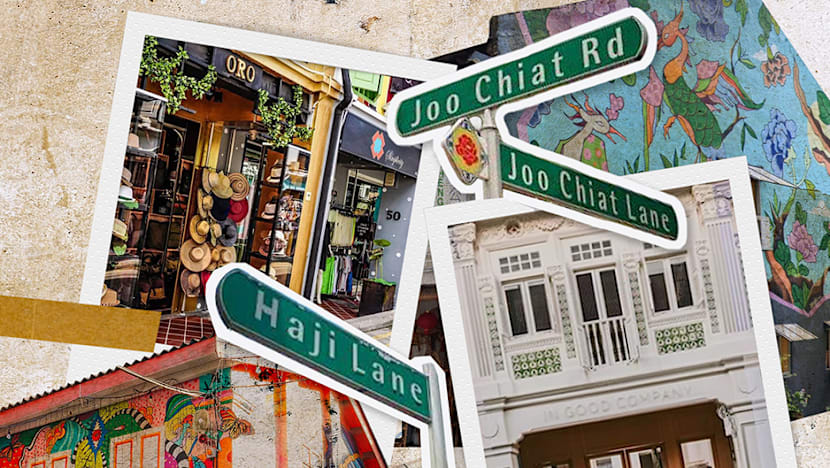
For independent retailers, a busy street can be a double-edged sword. More foot traffic means more potential customers, but not everyone who walks through the door intends to buy, and high rents make that gap costly.
That tension runs through two of Singapore’s best-known independent retail enclaves. Joo Chiat and Haji Lane both offer what malls struggle to replicate: shophouse character, strong identities and a mix of shops, cafes and concepts that makes shopping feel like discovery.
But they are developing differently. Joo Chiat is becoming a neighbourhood for lingering, with brands building spaces that invite people to stay, while Haji Lane’s tourist crowds have drawn in photobooths and food concepts alongside the fashion and vintage stores that made its name.
For retailers, the question is the same in both places: Can the numbers work, with the cost of running a physical store still climbing?
JOO CHIAT: MORE THAN A PLACE TO SHOP
For local home and lifestyle brand Sojao, Joo Chiat was a natural fit for its flagship before the neighbourhood became the buzzy lifestyle destination it is today.
Co-founder Jan Tan grew up near the area, as did fellow co-founder Priscilla Tan (not related). “In fact, my parents used to run a hawker stall nearby at Dunman Food Centre,” said Jac Tan.
The brand launched online in 2018 and has operated its 1,400 sq ft flagship at 251 Joo Chiat Road since November 2021. Its second outlet, at New Bahru, opened in June 2024 and is just under 1,000 sq ft.
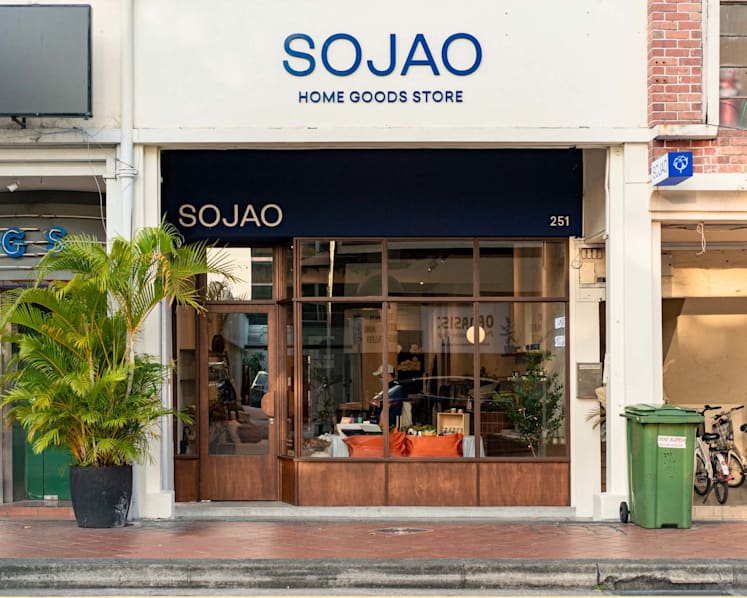
Joo Chiat’s residential character, historic shophouses and independent spirit were the draw. So was cost – mall rents can be steep, and often come with long opening hours.
“We wanted the store to feel like part of a neighbourhood rather than simply another shop in a mall,” Tan added. “We felt a more experiential, rather than transactional, environment would suit the brand.”
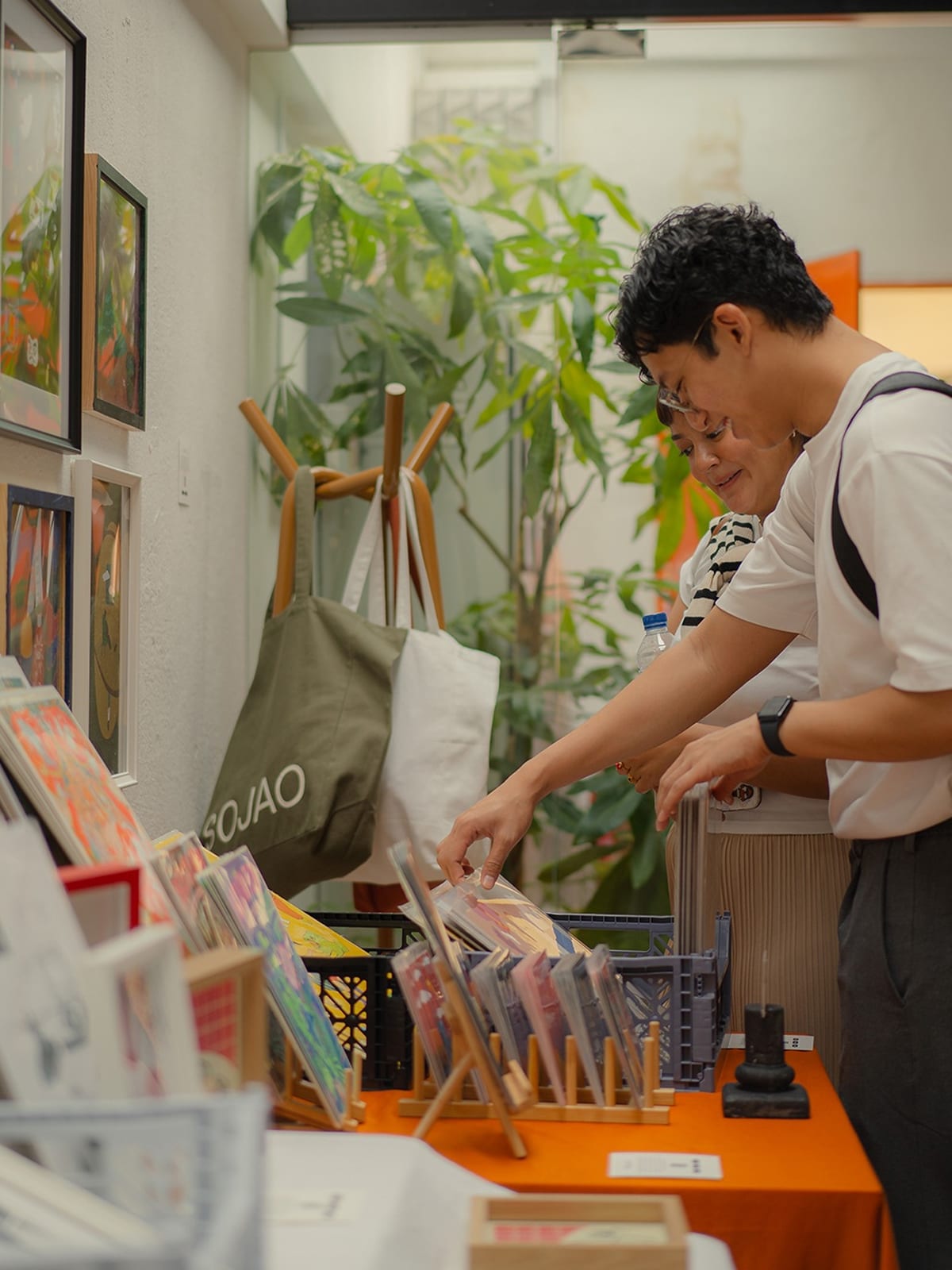
Its customers include residents, Singaporeans making a dedicated trip (some customers even call for directions, as the store is a little far from an MRT station) and tourists, with Chinese visitors particularly strong. The brand does not track an exact local-to-tourist split.
Others find Sojao by accident. Someone might come for brunch, wander into a few independent shops and end up in the store. For a brand selling bedding, being found in person matters. Customers can read about the softness of organic cotton online, but nothing replaces touching it.
“The neighbourhood itself becomes part of the experience,” said Tan. Food and beverage businesses give people a reason to stay for hours, while fashion, design, beauty and wellness shops give them more to discover. Independent businesses benefit from one another rather than having to attract every customer alone.
A DIFFERENT KIND OF FLAGSHIP
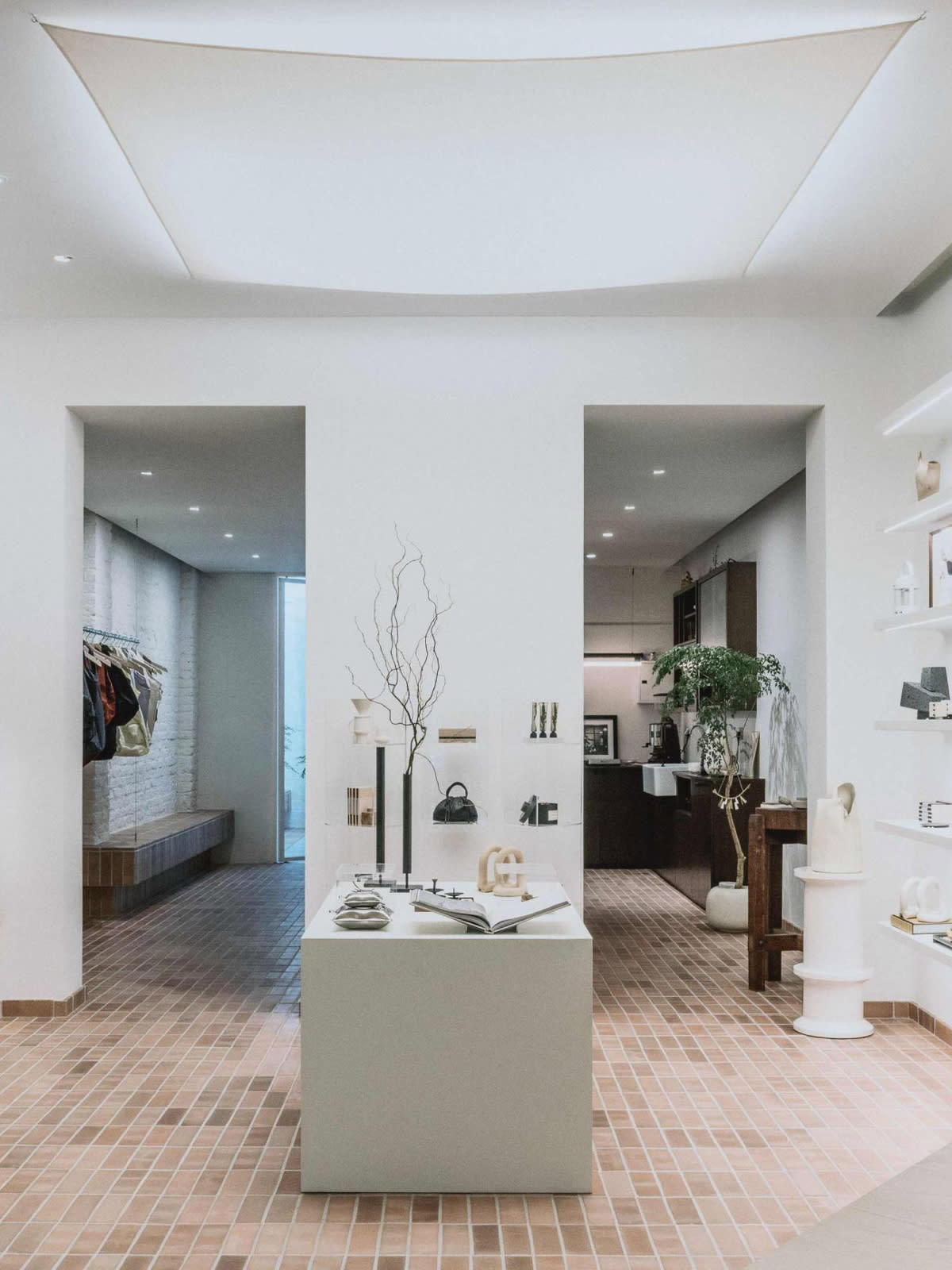
Homegrown fashion label In Good Company is making a similar bet.
Opened in July, its three-storey, 3,000 sq ft Joo Chiat flagship retains the shophouse’s original brick walls, timber flooring, exposed beams and spiral staircase, with warm finishes and woven textures lending a more residential feel. It combines fashion with hospitality, design and collaborations, including Miura, a Japanese tea and wagashi space by the team behind Paaru.
Co-founder and managing director Jaclyn Teo said the aim was to create something more than a larger store. “There is already a strong sense of community and discovery here, and we felt there was an opportunity for In Good Company to become part of that rhythm rather than simply operate within it,” she said.
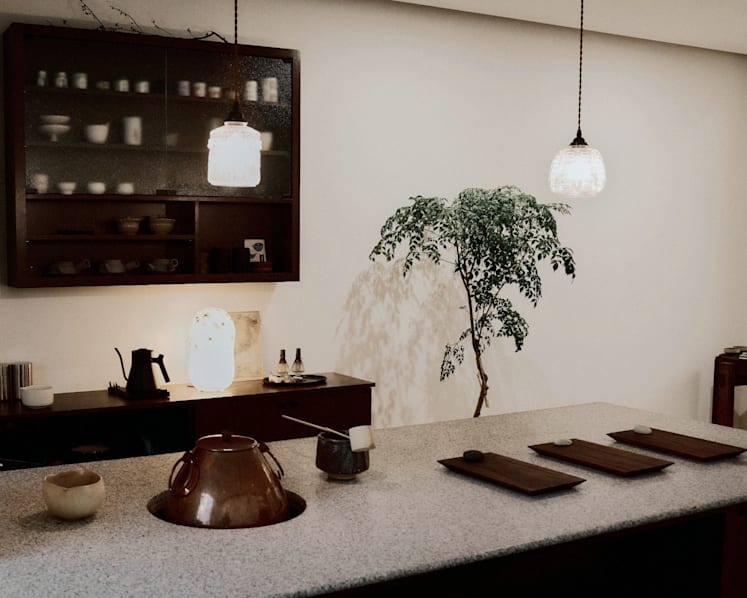
Customers often take their time, browsing the clothes before discovering Miura or another corner of the space. Compared with Orchard Road, she said, Joo Chiat draws visitors more interested in exploring the neighbourhood than shopping alone.
That is deliberate. In Good Company’s other stores, including its upcoming Ion Orchard boutique, will focus on the shopping experience, while Joo Chiat gives the brand room to experiment. Malls, Teo said, remain important for their convenience, accessibility and high footfall, which make shopping easy to fit into daily routines.
It is too early to judge the flagship’s performance, she added, as it had been open only a few months at the time of the interview. But the brand sees it as a way to learn how a physical space can build deeper engagement beyond the transaction.
HAJI LANE: WHEN FOOT TRAFFIC ISN’T ENOUGH
Haji Lane offers a different proposition: scale. Its tourist crowds can put retailers in front of people who would never otherwise find them.
That was the appeal for vintage thrift business Woofie. After opening at Golden Landmark Shopping Complex in 2023, founder Desiree Chang wanted to see what the brand could become in a bigger, more visible space. In 2024, she opened a two-storey outlet on North Bridge Road – near one of the entrances to Haji Lane.
“Being situated right at the entrance of Haji Lane meant greater exposure to both locals and tourists, as well as the opportunity to reach customers who might not have discovered Woofie otherwise,” said Chang.
The exposure was real, with more spontaneous walk-ins, including tourists. But many visitors were there to take photos, eat or simply explore.
“High foot traffic doesn’t always translate into high sales,” she said. Roadworks that diverted pedestrians away from her stretch of shops made matters worse.
Costs piled on. Rent, including utilities, was about S$10,500 to S$10,600 a month, around S$2,000 more than the previous tenant had paid. The older shophouse also suffered frequent leaks and, on bad days, flooding.
For a thrift store built on affordable prices, the math stopped working. Woofie’s North Bridge Road outlet will close on Nov 7.
At Woofie’s outlet in Golden Landmark, which the brand will retain, there are fewer chance walk-ins. Customers tend to arrive on purpose, having found the brand through social media or word of mouth. Lower costs give Chang more room on pricing and inventory without relying on walk-ins to cover fixed costs.
“For an independent thrift store, I think having a sustainable cost structure is ultimately more important than being in the busiest location,” she said.
NEW CONCEPTS, NEW CROWDS
Chang’s experience comes amid a broader shift on Haji Lane towards photobooths, food and beverage businesses and other experience-led concepts. These bring new energy and crowds, she said, but she worries about what happens if rising costs push out smaller retailers.
“One of the things that made Haji Lane special was the diversity of small businesses you could discover there,” said Chang.
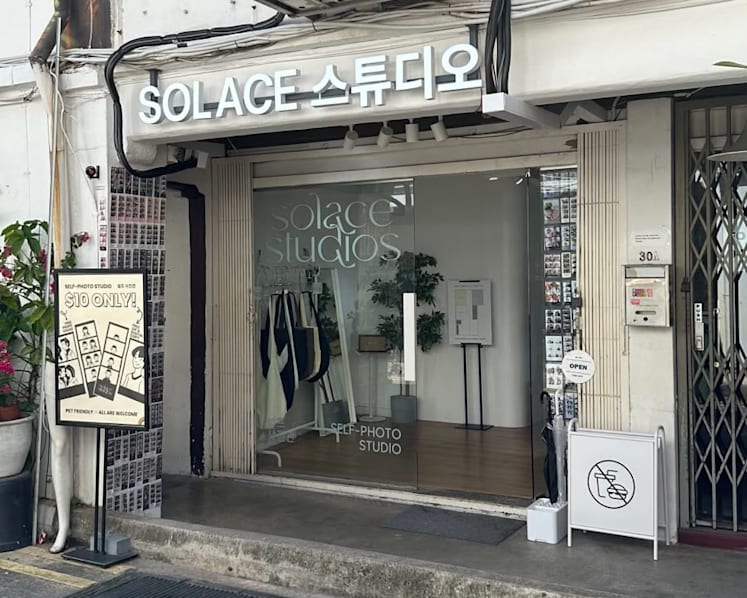
Keith Kok, founder of photobooth chain Solace Studios, has watched the change since opening his first outlet there in 2022. At the time, he said, the street had only self-photo studios that required reservations. Solace’s walk-in model proved popular, with customers queueing for almost an hour. Similar concepts began opening along the street within months, turning photobooths into a more prominent part of Haji Lane’s retail mix.
The area’s foot traffic was crucial in those early days, although some customers also arrived after finding Solace online. Kok said tourists and locals spend similar amounts, and both tend to snap a photo afterwards and tag the brand on social media.
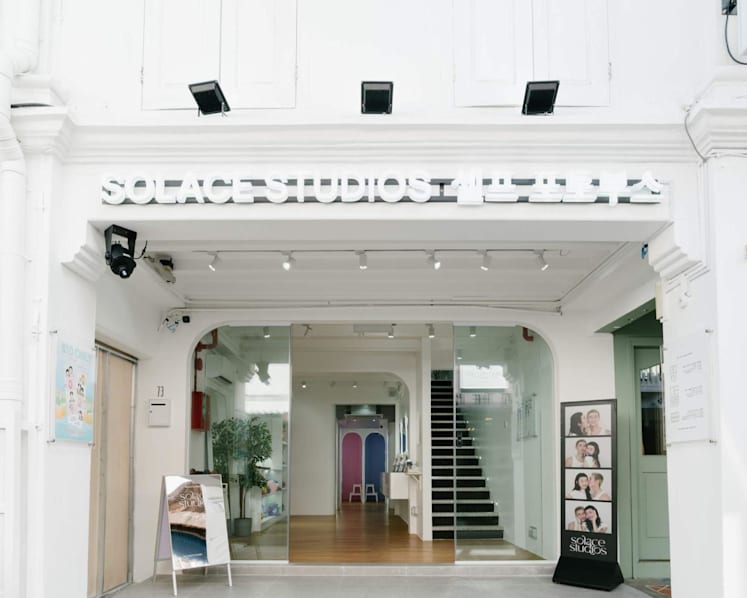
Solace closed its original outlet at 30 Haji Lane in December 2025 and is looking to close the one at 76 Haji Lane when its lease ends, as it now wants bigger spaces rather than small outlets. Kok declined to disclose rents, but said Haji Lane still generates enough business to keep at least one outlet going at 73 Haji Lane, helped by a good relationship with the landlord. Solace has also expanded into malls, including in Woodlands and Punggol, but he said Haji Lane gives more creative freedom, even if space is tight.
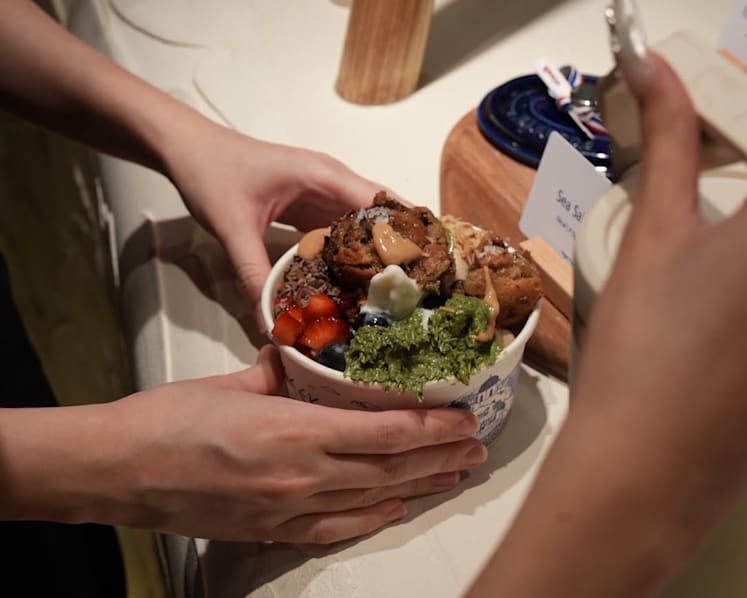
He recently opened Yogeek, a frozen yoghurt concept, on the street, partly out of sentiment and a wish to help revive its local business scene. “You can say that Haji Lane is my comfort zone,” he said.
Kok believes fashion, food and beverage, and photobooths can coexist in the enclave. His worry is who can afford to stay.
“I think the bigger concern isn’t necessarily the changing tenant mix, but whether Haji Lane can remain a place where small, independent Singaporean businesses have a fair chance to thrive,” he said. Larger operators, he noted, including a growing number of overseas concepts, are better able to absorb rising rents.
THE RIGHT LOCATION, NOT JUST THE BUSIEST ONE
Joo Chiat is not immune to rising costs either. Neither Sojao nor In Good Company would disclose the rent for their Joo Chiat stores, but Tan said the cost of running a physical store has risen considerably over the years, across rent, manpower and general operating expenses, forcing the brand to keep reassessing whether its spaces remain sustainable.
Footfall has softened too. Tan said pedestrian traffic outside Sojao fell by about 15 per cent in the first half of 2026 compared with the same period last year. Yet more people came inside, which she credits to pop-ups and an expanded product range.
Events can help. On Oct 3, more than 5,000 people visited a stretch of Joo Chiat Road closed to traffic for World Car-Free Day, with around 90 merchants taking part. But a one-off crowd is no guarantee of steady footfall on an ordinary day.
Sojao’s lesson from operating in both Joo Chiat and New Bahru, Tan said, is that footfall alone is not enough. “When we consider future locations, we’d look closely at who is already spending time there, their intention when they visit, how long they stay, the surrounding tenant mix, accessibility, visibility, and of course, whether the economics make sense,” she said.
Chang reached a similar conclusion. She is not ruling out another street-front Woofie outlet but said her experience has taught her that “a good location on paper doesn’t necessarily translate into a financially sustainable business”. For now, her focus is Golden Landmark.
So, which is the better home for independent retail? Perhaps that is the wrong question. Haji Lane offers reach, but not necessarily buyers. Joo Chiat offers immersion and repeat visits, but its crowds can soften too. And in both places, retailers hedging their bets – In Good Company with its Ion Orchard boutique, Solace in heartland malls, Woofie at Golden Landmark – suggest the mall has not entirely lost its place.
For both neighbourhoods, the challenge is not simply attracting more visitors but sustaining the mix of independent businesses that makes people want to visit in the first place.
KioskNews shows a cleaned-up reading view extracted from the publisher’s page — the original always lives on their site, not ours.