5 dead in 3 weeks: are Indonesia’s whale strandings on the rise?
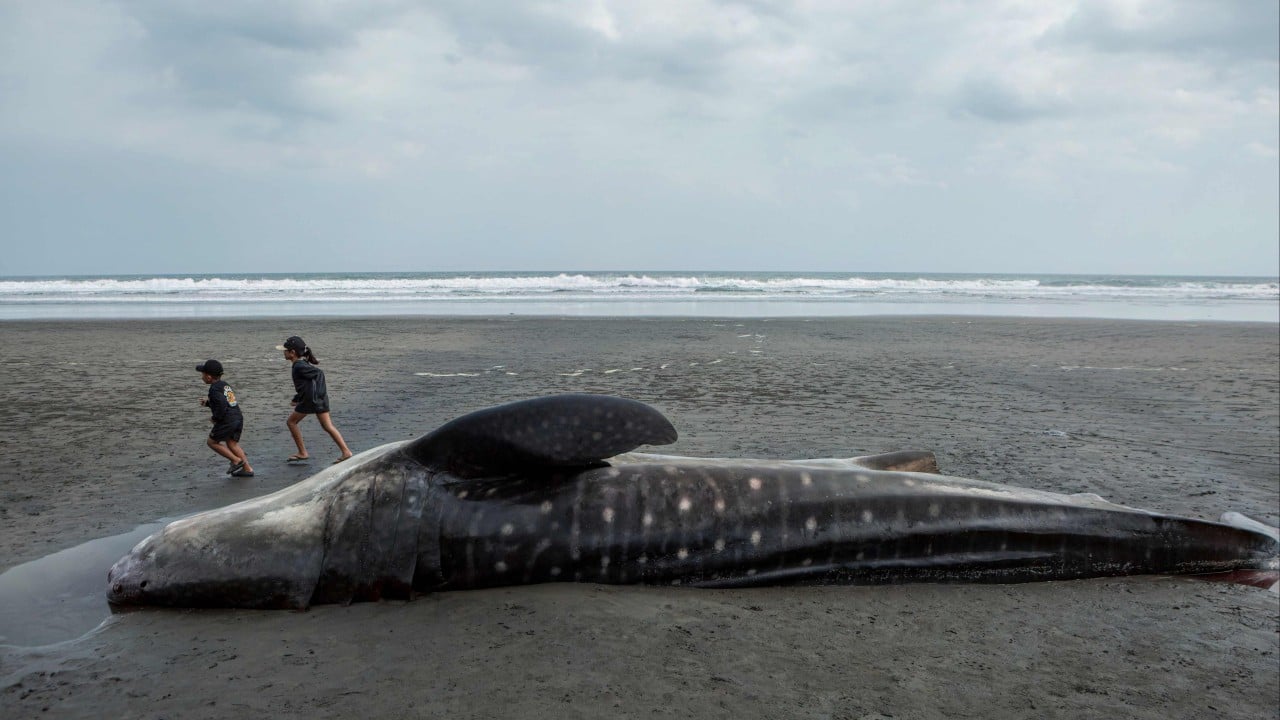
A cluster of whale and whale shark strandings across Indonesia – five in the past three weeks alone – has raised questions over whether such incidents are becoming more frequent, with experts pointing to a mix of environmental shifts, human activity and improved reporting as possible explanations.
On September 25, a whale shark became stranded and died on a beach in Aceh province, just days after a decomposed whale carcass was discovered in a mangrove in Riau province. Another whale was found dead in West Java on September 21, just two days after a whale shark stranded and died in South Sulawesi. The latest incidents began on September 12, when a dead whale shark washed ashore in Bali.
The recent deaths reflect a longer-term rise in reported whale shark strandings across the archipelago. A 2025 study by the Elasmobranch Institute Indonesia and Konservasi Indonesia recorded fewer than 10 whale shark strandings per year from 2011 to 2019. From 2020 onwards, however, that average jumped to more than 22 cases a year.
Published in Scientific Reports, the study linked strandings to seasonal and oceanographic conditions – including sea-surface temperatures, wave height and marine productivity – particularly in areas affected by seasonal upwelling, an oceanic process where wind-driven currents pull cold, nutrient-rich deep water to the surface, drawing feeding marine life closer to coastlines. But researchers have said that increased smartphone use and social media reporting could account for much of the apparent rise.
KioskNews shows a cleaned-up reading view extracted from the publisher’s page — the original always lives on their site, not ours.