More than music: Hong Kong Chinese Orchestra strikes a chord across generations
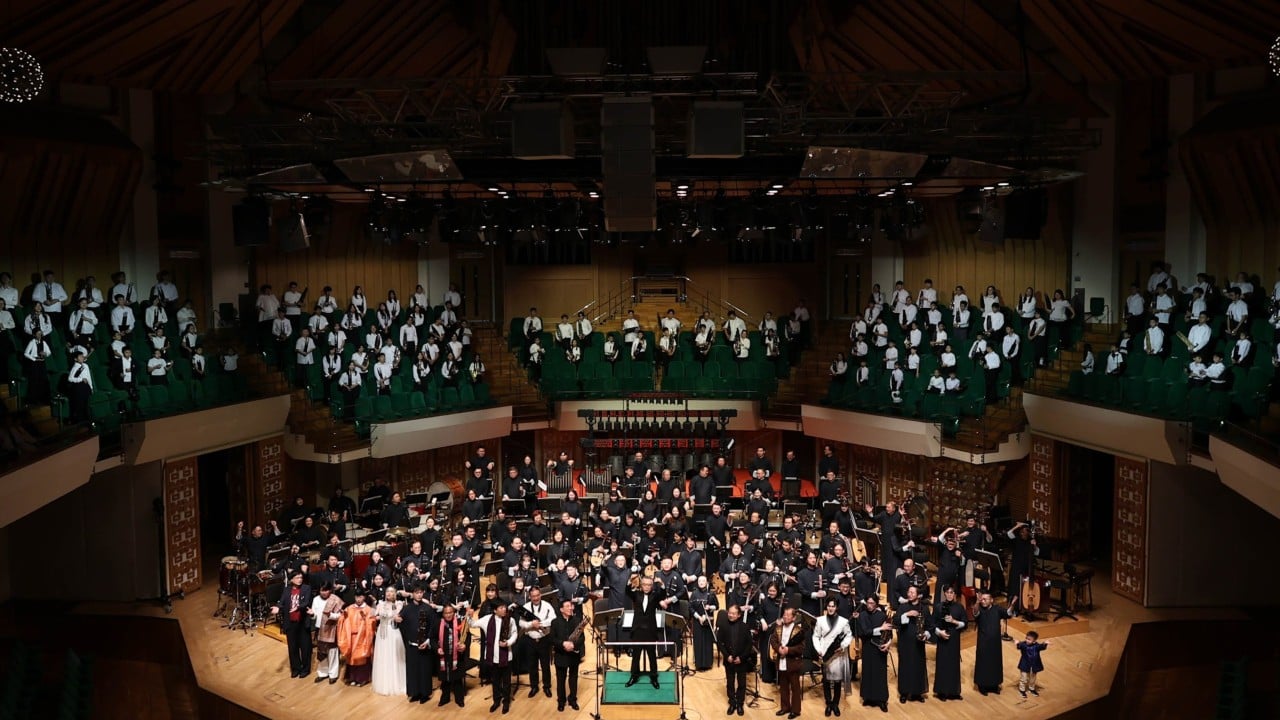
For nearly five decades, the Hong Kong Chinese Orchestra has worked to bring its music to a wider audience, including people who might never have considered entering a concert hall.
Executive director Celina Chin Man-wah said the orchestra had long sought to ensure Chinese music was not seen as distant, formal or difficult to understand.
That has meant commissioning new works, exploring different musical styles and developing programmes for younger audiences.
“We cannot rely on the old repertoire alone,” Chin said. “New works are essential if Chinese music is to keep developing and speak to future audiences.”
The orchestra has commissioned more than 2,400 works over the years, and its musicians have collaborated with composers and artists from Hong Kong, mainland China and around the world.
Its international engagements have also helped bring Chinese orchestral music to wider audiences.
Chin recalled an invitation to perform as part of the opening programme at Beijing’s National Centre for the Performing Arts, adding that overseas presenters had also requested programmes of contemporary Chinese music.
She also said such invitations recognised not only the orchestra’s performances but also its role in creating and promoting new repertoire.
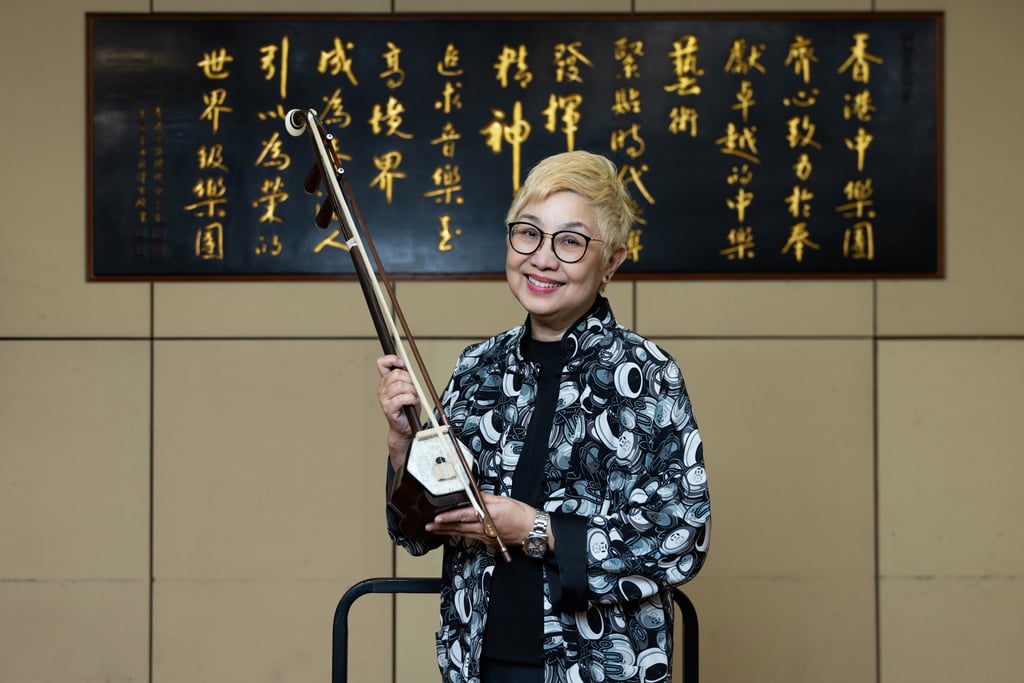
Chin joined the orchestra in 1996 after holding arts management roles in theatre, film festivals and arts programming. Those roles gave her experience in production, logistics and programming that she would draw on at the orchestra.
The orchestra is a finalist for the Spirit of Culture Award in this year’s Spirit of Hong Kong Awards, co-organised by Sino Group and the South China Morning Post.
Its work extends beyond the concert hall. Chin sees Chinese music as a way to bring communities together, encouraging people of different ages and backgrounds to take part.
The orchestra launched its Hong Kong Drum Festival in 2003 after the Sars outbreak, partly to help lift morale. Participants have since included children, parents, older people and members of rehabilitation organisations.
The orchestra has also worked with young people in correctional institutions. Chin recalled programmes in which participants learned percussion and performed for their families, culminating in a piece they played together with their relatives.
The aim, she said, went beyond music.
“Sometimes a young person has an idea and the family may not understand it, or the family has expectations the young person cannot accept,” she said. “To complete the piece, they have to listen to each other and work together.”
Chin advocates introducing children to music at an early age, whether or not they go on to become professional musicians.
She also sees a growing range of career opportunities in the arts. Young performers may later move into teaching, composition, music therapy or other creative fields, while some independent artists develop their own projects and build careers outside traditional institutions.
The orchestra also gives younger composers opportunities to have their new works performed by professional musicians, allowing them to hear how their compositions work in practice and exchange ideas directly with the players.
Chin said such programmes could not always be judged by immediate audience numbers or ticket revenue.
“Art cannot always be assessed by whether something is popular straight away,” she said. “Artistic development takes patience, and audiences need time to discover work with greater depth.”
Launched in 2013, the Spirit of Hong Kong Awards recognise society’s unsung heroes and organisations whose work might otherwise escape public attention.
KioskNews shows a cleaned-up reading view extracted from the publisher’s page — the original always lives on their site, not ours.