GROW2 project exceeds targets for women farmers in Northern Ghana
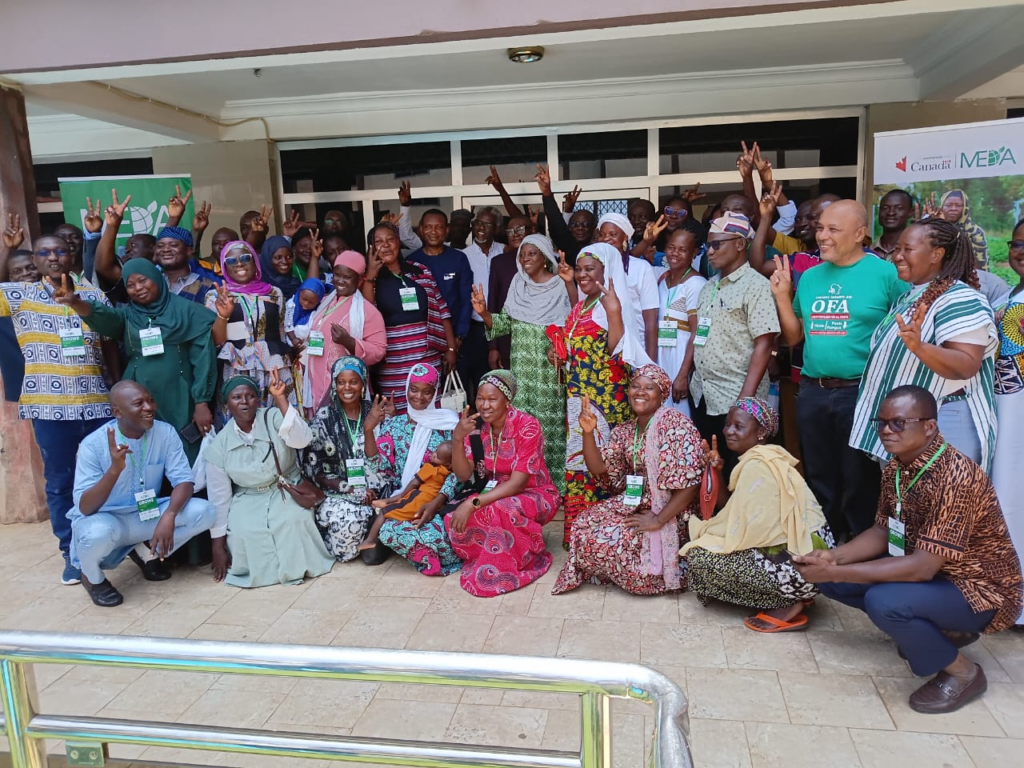
The Country Manager for the Greater Rural Opportunities for Women 2 (GROW2) project, Francis Essuman, has disclosed that the project has exceeded its targets after reaching more than 52,000 women smallholder farmers.
He said the GROW2 project, funded by the Canadian government, was launched in October 2021 with an initial goal of supporting 40,000 women farmers, 5,000 micro-entrepreneurs and 50 agribusinesses, but speaking at the closeout of the project, Mr Essuman said the project had reached 52,000 women farmers, 5,000 micro-entrepreneurs and 61 small and medium-sized enterprises across 27 districts.
He said the project, funded by Global Affairs Canada and implemented by Mennonite Economic Development Associates (MEDA), operated in the Northern, Savannah and Upper West regions.
Mr Essuman said the coverage was extensive, with work carried out in all districts of the Upper West Region, all but one district in Savannah, and all but four districts in the Northern Region.
"If you go to Upper West, the whole of Upper West, if you go there, we operated there, and you see our clients there benefiting from our programs," he said.
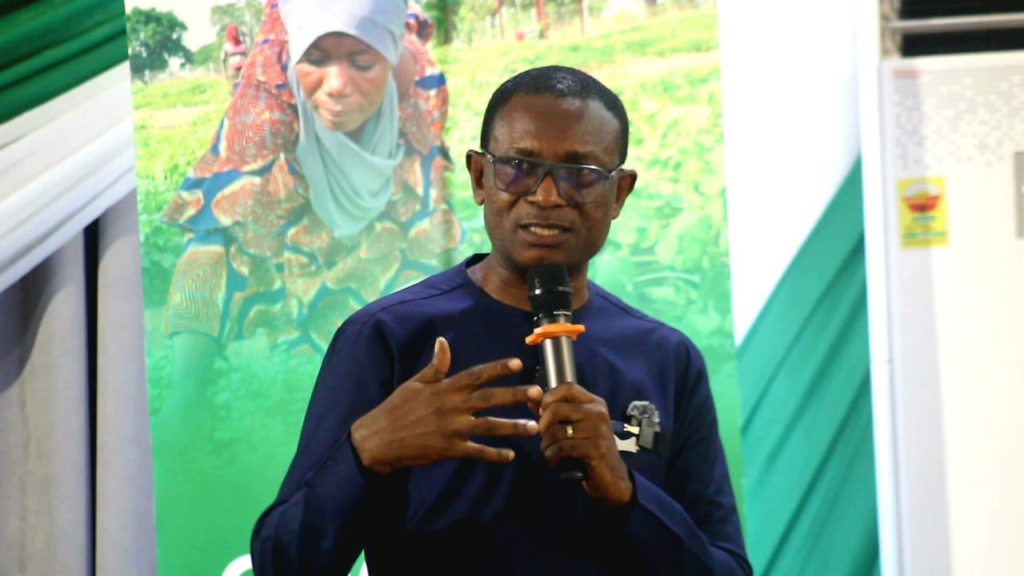
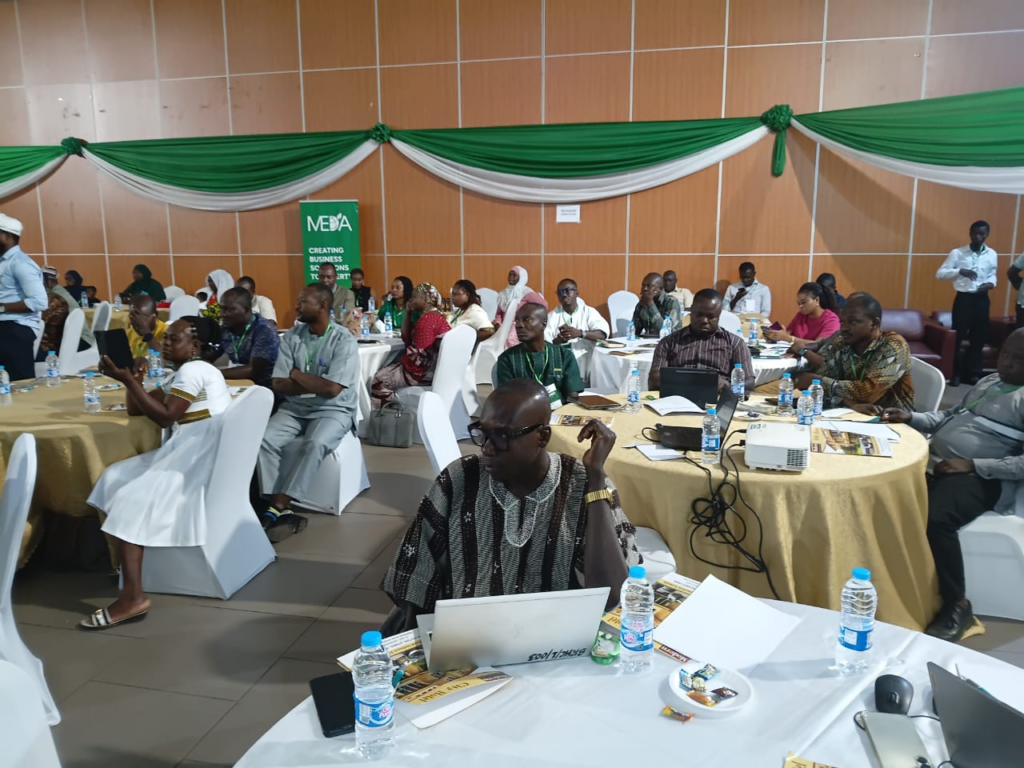
The initiative focused on three value chains: soybean, groundnut and processing, and worked in partnership with government agencies including the Ghana Health Service, the Department of Agriculture and the Food and Drugs Authority, as well as local organisations such as Urbanet, AgDeP and Tuma Kavi.
Mr Essuman said that although the agreement was signed in October 2021, full implementation only began in late 2022 after approval of the Project Implementation Plan in July 2022.
"Out of the five years, it's almost four years," he said. "And so, the partners, the farmers, and everybody, please clap for yourself; you've done a good job."
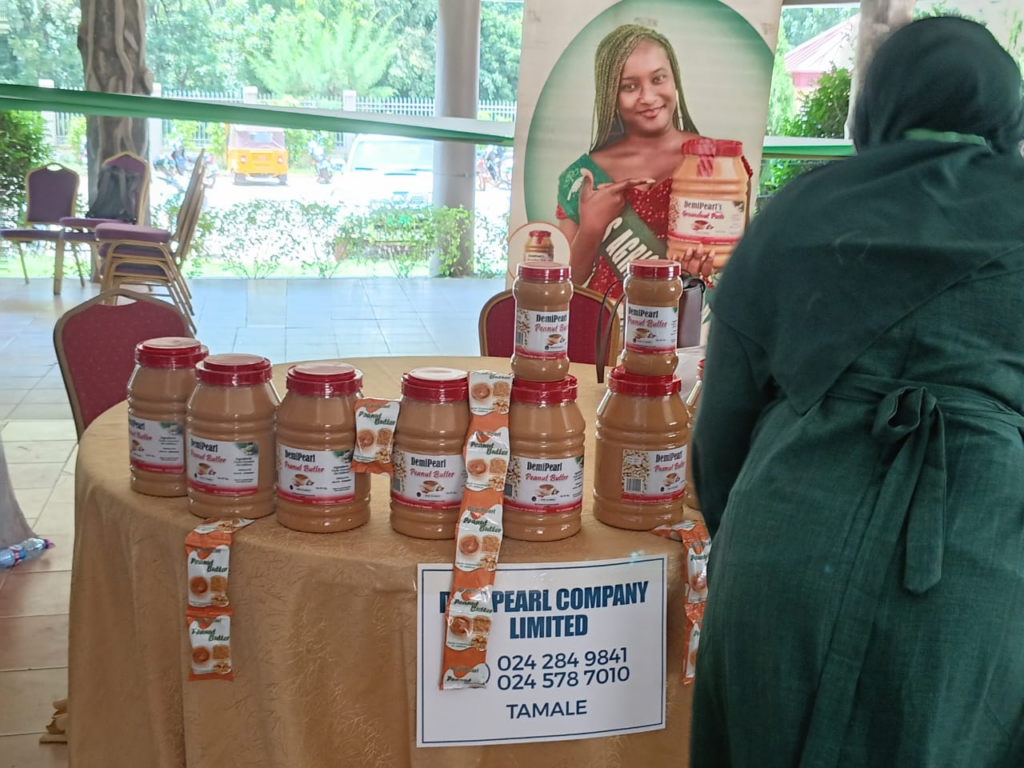
According to him, 59% of the 61 SMEs supported are women-owned, and the women farmers are organised into about 1,800 Savings and Loans Groups.
On technology adoption, He said the aim was for 9,000 women to access improved inputs, but it had reached more than 25,000, over 50% of those involved.
The Country Manager added that it included fertiliser, inoculants, certified seeds, tarpaulins, pumps, shellers and 620 motorised tricycles used to transport produce to market.
He said the farmers contributed half the cost of the technologies, amounting to more than 21 million Ghana cedis.
"Anything you are seeing here, the farmers contributed. So, thank you very much to the women. You are great," Mr Essuman said.
He said the tricycles had helped increase aggregation at community level by 165% for groundnut and 78% for soybean, adding that other interventions included 25 solar-powered irrigation systems benefiting more than 1,900 farmers and over 15 community-level processing centres.
Mr. Essuman said the Northern Region accounted for the largest number of beneficiaries, about 21,000 farmers, representing 43% of the total.
Mr Essuman said the project had tried to ensure sustainability by involving men.
"I went to one of our partners' offices when they were working on the motor tricycles. So, the women came in to pick up their tricycles. When I went there, I saw both men and women. And I spoke to one of the men. He said, 'Oh, I came to see my wife off to pick up the tricycle.' " That is the kind of environment we try to create," he said.
The GROW2 project is due to formally end in September 2026.
DISCLAIMER: The Views, Comments, Opinions, Contributions and Statements made by Readers and Contributors on this platform do not necessarily represent the views or policy of Multimedia Group Limited.
Tags:
DISCLAIMER: The Views, Comments, Opinions, Contributions and Statements made by Readers and Contributors on this platform do not necessarily represent the views or policy of Multimedia Group Limited.
KioskNews shows a cleaned-up reading view extracted from the publisher’s page — the original always lives on their site, not ours.