How many times are you paying for the same file?
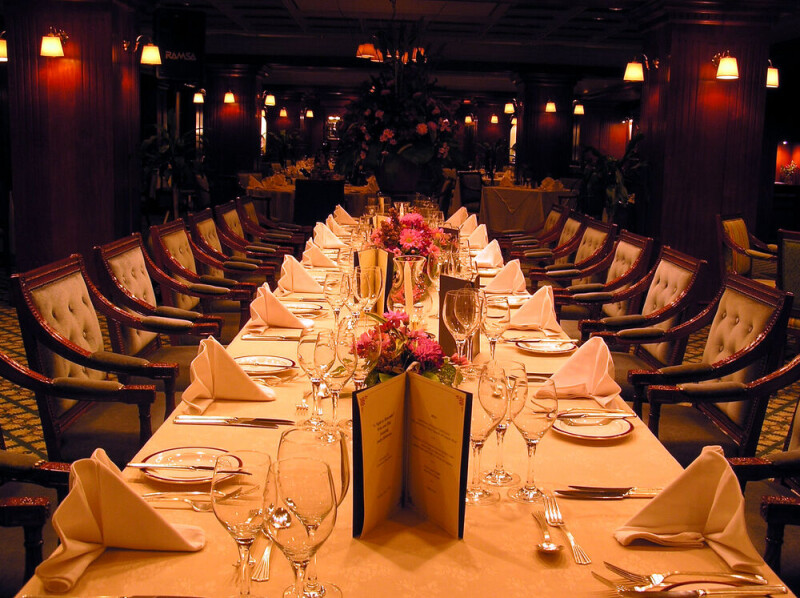
A Register dinner in Midtown on 27 October takes on the file infrastructure distributed teams still run and nobody chose, off the record
EVENT: Count the copies. The one on the NAS. The one somebody pulled over the VPN to work on at home. The one in the sync folder, which may or may not still match the one on the NAS. The one attached to an email because the sync was slow that morning. Four copies of one file, four places paying to store it, and one person, eventually, working out which is current.
That is the cost most organizations have stopped noticing. Distributed teams produce more unstructured file data than ever, and most of them reach it through infrastructure designed for an office. It rarely fails outright. The bill turns up somewhere else, as duplicated storage and time spent waiting, and as a security review that finds one file in three places with three different sets of permissions.
That is the problem The Register is putting to a dinner in New York on Tuesday 27 October. Joe Fay of The Register chairs. Holly Bossert, Commercial Sales US at LucidLink, joins the conversation. It runs under the Chatham House Rule, so what is said can be used and who said it cannot, and the chair’s job includes stopping anyone who starts to pitch.
The point of the evening is not the architecture diagram. It is the specific: the workaround a team adopted the week the office emptied and never replaced, and what it has cost since. That gets said across a dinner table. It does not get said on a recorded webinar.
On the table: handling the growth in unstructured data, supporting distributed teams without paying for the same file three times, sync and version control, and whether any of it holds up in a security incident. Nobody is proposing to rip the estate out. The evening is about modernizing around the storage and governance investments already made.
The table is for senior technology, infrastructure and data leaders carrying this now. Dinner runs from 6.00pm to 8.30pm at The Capital Grille in Midtown. Places are limited and go by invitation.
KioskNews shows a cleaned-up reading view extracted from the publisher’s page — the original always lives on their site, not ours.