How AI could help screen for type 2 diabetes in seconds
An artificial intelligence system that examines vocal patterns could soon be used to screen individuals for type 2 diabetes, according to new research.
Scientists say the innovation introduces a novel avenue for identifying the condition, enabling diagnostic audio samples to be gathered via mobile applications or phone calls.
Standard diagnosis currently relies on a blood test measuring average blood glucose over a 2-3 month period. These checks are typically arranged for patients displaying symptoms or provided during routine health screenings for individuals aged between 40 and 74.
Engineers at technology firm thymia collaborated with RMIT University in Melbourne, Australia, to create the tool. The system was calibrated to recognise specific vocal changes linked with type 2 diabetes, including raspy speech and reduced respiratory control.
To build the model, developers utilised more than 63,000 voice recordings from over 21,000 subjects across the UK and the US. Evaluation was subsequently conducted using 20-second audio clips of participants reading aloud from Aesop’s fables.
In an evaluation involving 7,319 UK participants, the speech tool assigned elevated risk scores to individuals who reported having type 2 diabetes in 80 per cent of instances.
While the system proved effective across diverse age brackets and sexes, accuracy was lower among Black patients, a discrepancy likely caused by their underrepresentation in the trial. Performance was similarly diminished among participants with obesity, high blood pressure, or heart disease.
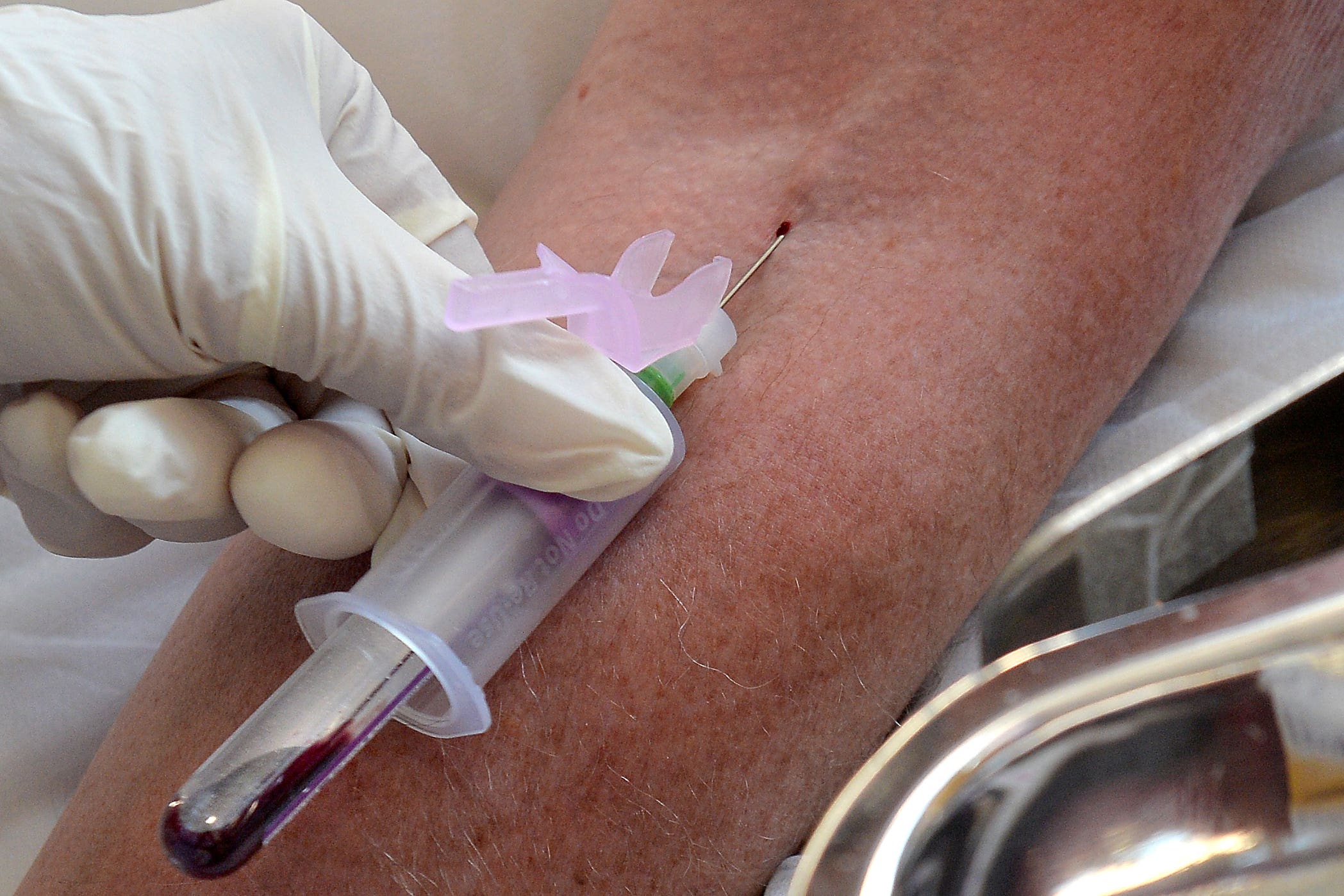
A secondary analysis assessed a sub-group of 801 people who completed home blood tests within three months of submitting a voice recording, with the algorithm assigning elevated risk scores in 75 per cent of cases.
Giedre Cepukaityte, research scientist at thymia, who will be presenting the findings at the European Association for the Study of Diabetes (EASD) in Milan, said: "This is the largest real-world study of speech-based screening for type 2 diabetes to date which also checks the model’s predictions against blood test results as well as against what people reported about their own diagnosis. Those flagged up as higher risk by the model had blood results to match.
"This has the potential to change what screening looks like.
"A speech sample can be taken over the phone or through an app, so we can reach far more of the people who need a blood test than current pathways do, particularly those who never get to a health check.
"Our model opens a new route to screening for diabetes. It is not a replacement for a blood test, and it should never stop anyone who thinks they need one from getting one.
"Our next step is to test the model in clinical settings and to understand how well it works for every group of people, because a screening tool has to work for everyone."
Dr Lucy Chambers, head of research impact and communications at Diabetes UK, said: "More than a million people in the UK are living with undiagnosed type 2 diabetes and are missing out on the support and treatment they need to help them stay well and reduce their risk of developing devastating complications.
"AI-based technologies could help identify more people who may benefit from diagnostic blood tests, but it’s crucial that they are rigorously designed and tested to make sure no-one slips through the net.
"Anyone concerned about their risk of type 2 diabetes can use Diabetes UK’s free Know Your Risk tool and should speak to their healthcare team if they have concerns."
KioskNews shows a cleaned-up reading view extracted from the publisher’s page — the original always lives on their site, not ours.